Asian stock markets declined significantly on June 8 amid rising worries about US Federal Reserve interest rate hikes and a broad unwind of gains in technology, including AI-related sectors. Hong Kong’s Hang Seng Index opened down 1.8% to 24,493.50, while the Hang Seng Tech Index dropped 3.1%. Mainland China’s CSI 300 Index fell 1.9%, and Shanghai’s Star Market 50 plunged 4.2% at market open [1].
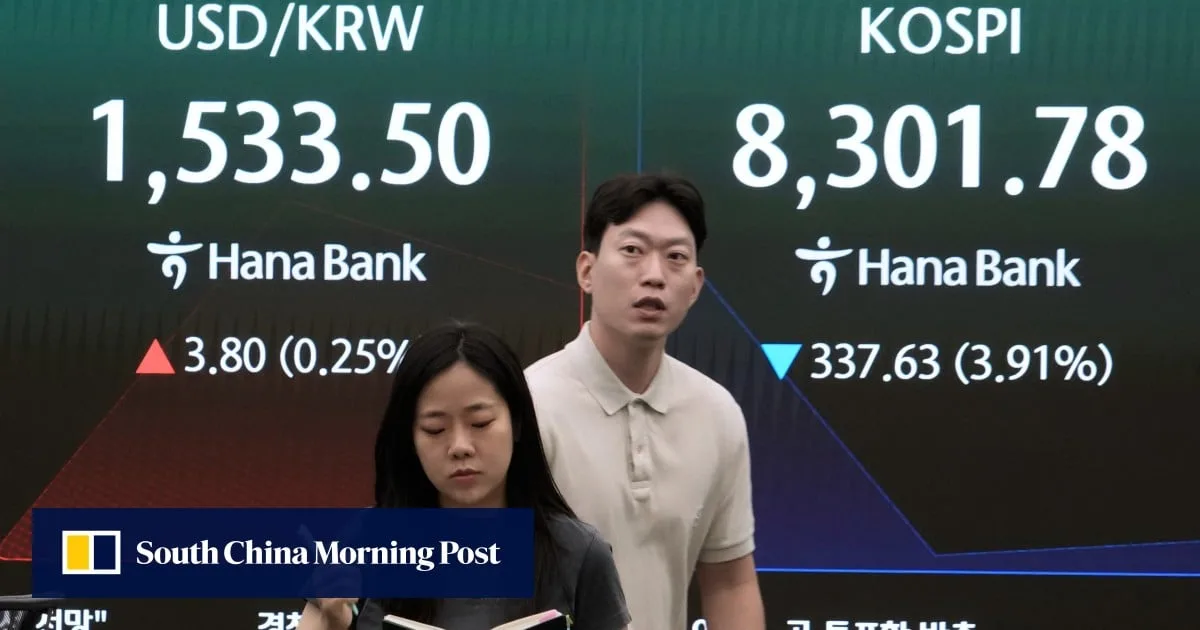
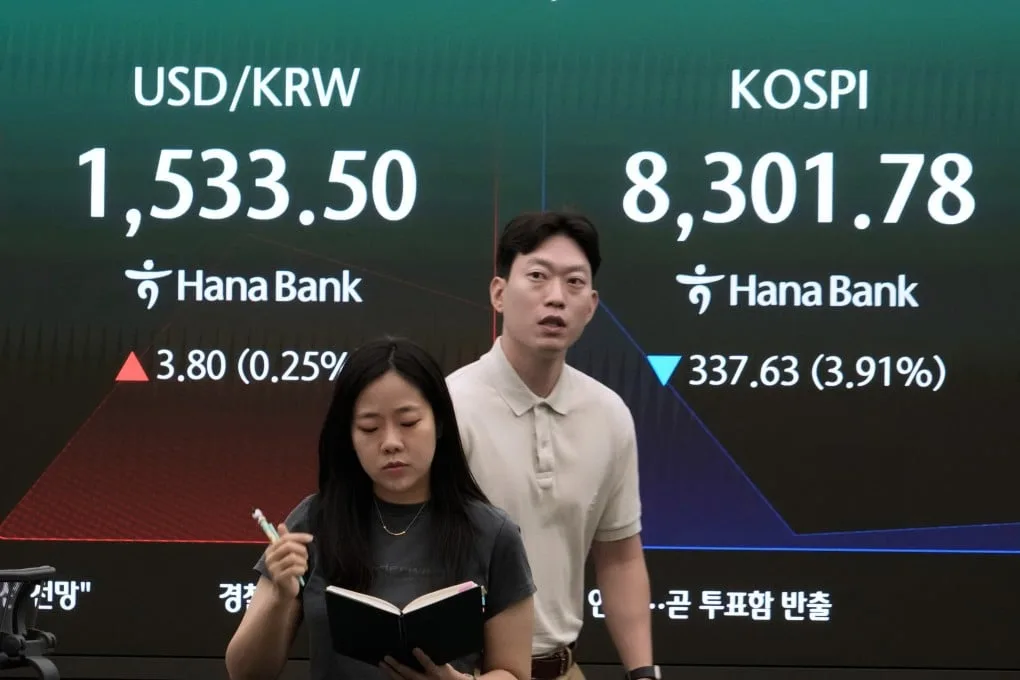
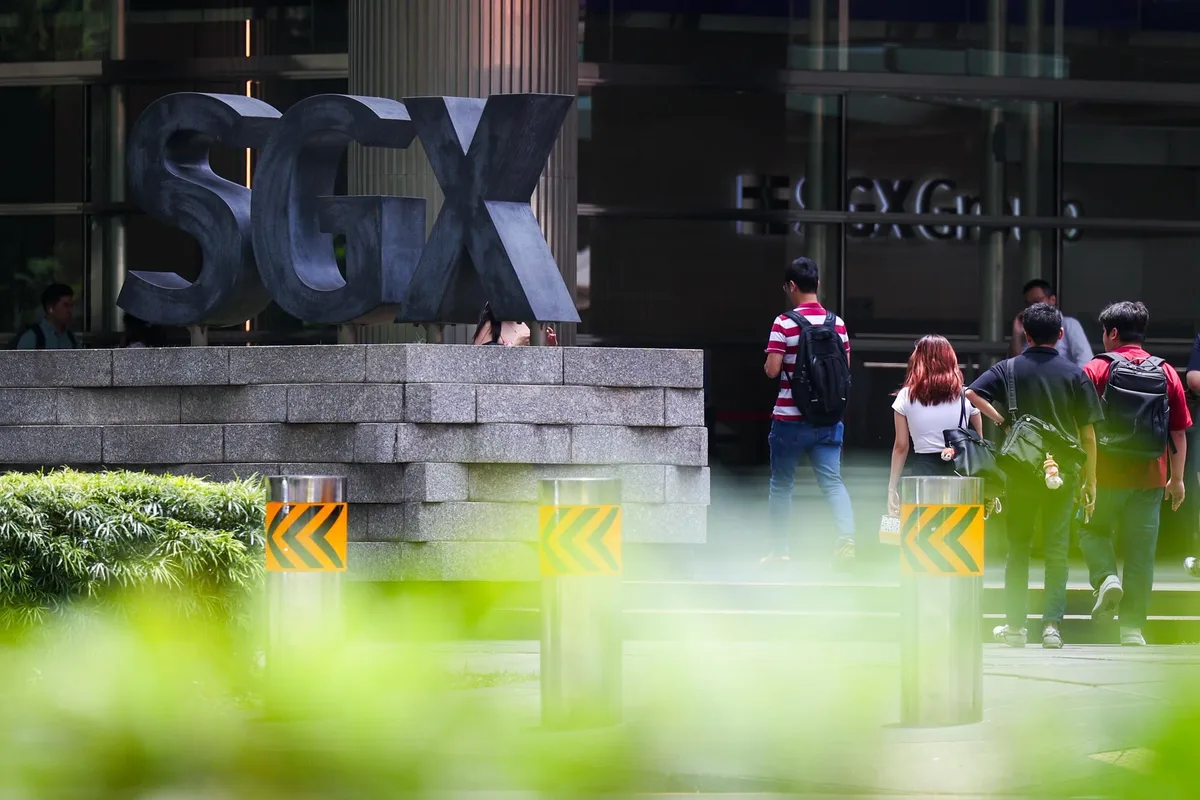
South Korea’s benchmark Kospi index suffered one of the steepest losses, plunging over 7%, while Taiwan’s Taiex declined 4.3%, and Japan’s Nikkei 225 fell nearly 4% [1]. Singapore’s market also closed lower that day with the Straits Times Index retreating 1.7% to 4,963.67. Among Singapore blue chips, only two counters ended the day unchanged, with Sats falling 3.3%. Major banks DBS, OCBC, and UOB declined between 1.6% and 2.3% [2].
Market anxiety stems from fears the US Fed will continue raising rates to combat persistent inflation, driven in part by high crude oil prices. Stephen Innes, managing partner at SPI Asset Management, said, "Strong employment creates stronger growth expectations. Stronger growth keeps inflation risks alive. Persistent inflation keeps pressure on bond yields. Higher yields tighten financial conditions" [1].
Investors have also been unwinding leveraged trades and scaling back exposure after a strong rally in AI stocks. Charu Chanana, chief investment strategist at Saxo, said, "Markets are adopting a more cautious tone, but this is not a full-blown panic. What investors are seeing is a ‘recalibration’, as they digest several pressures simultaneously after a strong run" [2].
While the broad sell-off hit technology and growth stocks hardest, the cautious sentiment extended across sectors and regions, reflecting concerns over future AI investment funding.
The next major market catalyst awaits upcoming US labor data releases, which investors will watch closely for clues on the Fed’s rate path. Meanwhile, the region remains sensitive to shifts in global inflation and commodity prices [1, 2].