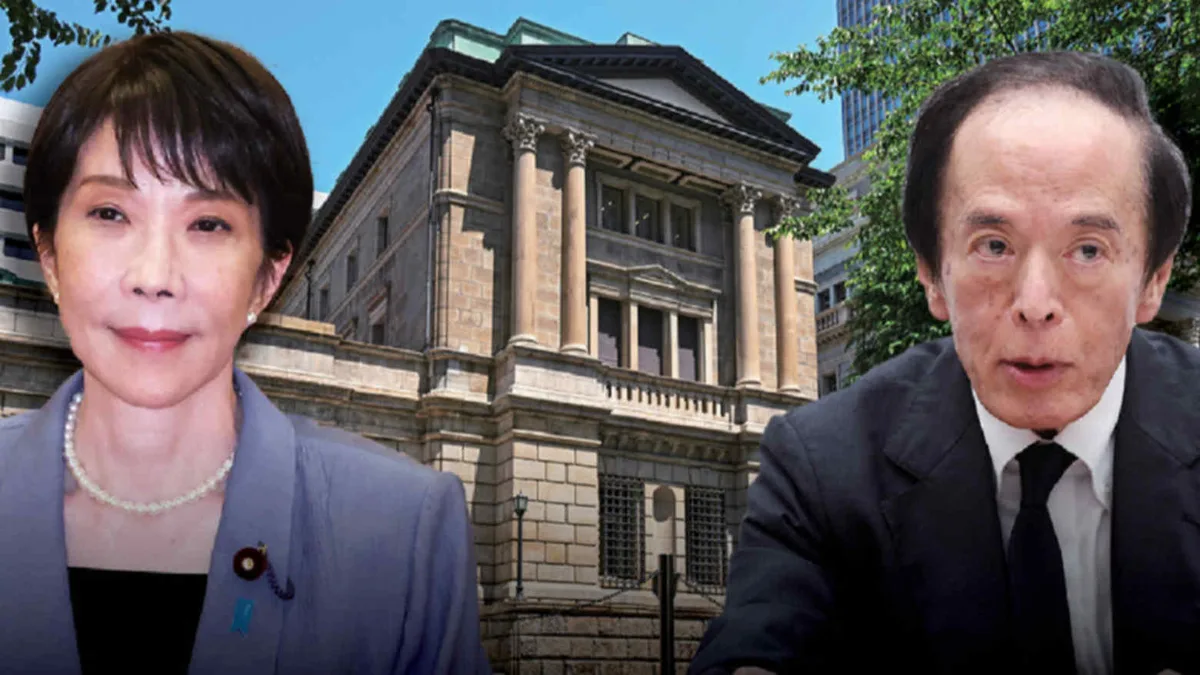
The Bank of Japan (BOJ) lifted its policy interest rate to 1% in June 2026, the highest level in 31 years, marking a significant shift in its monetary policy stance [1, 2, 3]. Market participants now assign about a 76-80% probability that the BOJ will raise rates again at its September 17-18, 2026 meeting [4, 2, 3, 5, 6].
There are signs the BOJ intends to quicken the pace of tightening from roughly two hikes per year to around one hike per quarter from late 2026 through mid-2027 [3, 5]. Bank of America Global Research projects a series of rate increases in September 2026, December 2026, March 2027, and July 2027, pushing the policy rate toward 2% by mid-2027 [3, 5].
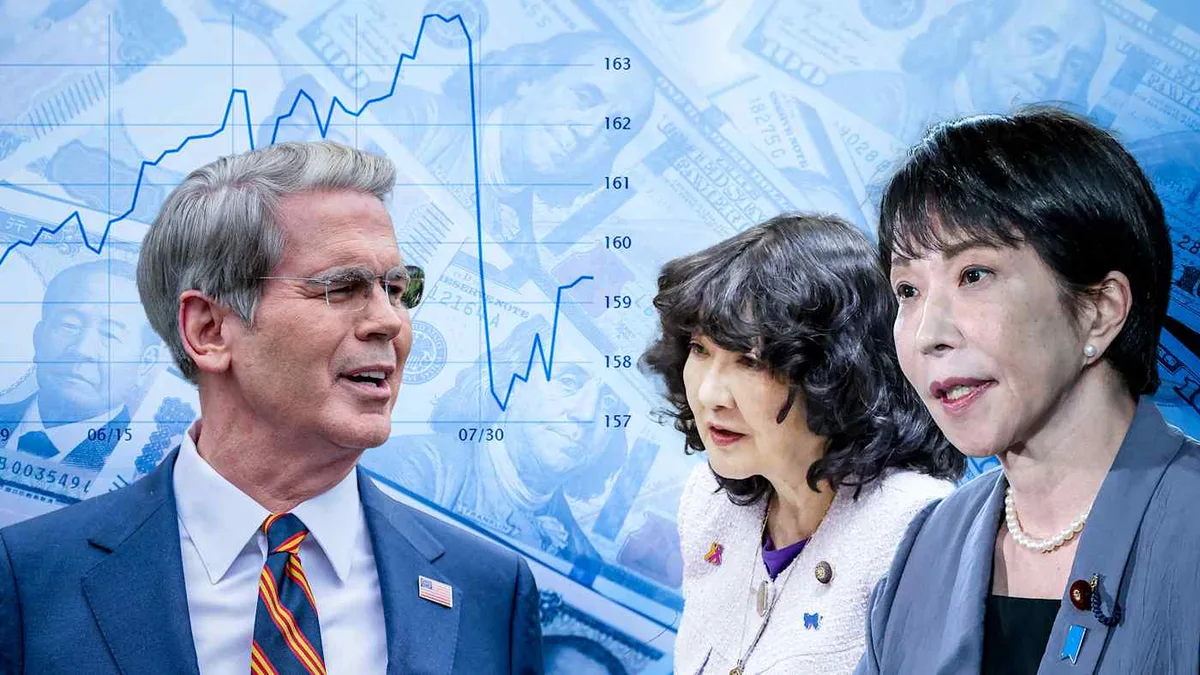
The Japanese government, led by Prime Minister Sanae Takaichi, supports near-term BOJ tightening to combat yen weakness and imported inflation pressures [1, 4, 2, 3, 5]. The yen traded near 159 per US dollar in mid-August 2026, weaker than its decade average of 126 but still above recent four-decade lows [4, 2, 7]. Former Vice-Finance Minister Takehiko Nakao noted, “Real interest rates are still negative even after Japan has raised its policy rate to 1 percent, while they are positive in every other country,” emphasizing the need for further rate hikes [4].
Japanese government bond yields have climbed sharply amid inflation concerns and fiscal discipline questions. The 10-year JGB yield rose to about 2.93% by mid-August 2026, close to a 30-year high [3, 6, 8]. Meanwhile, the US 30-year Treasury yield hit a 19-year peak of 5.31% on August 17 amid fiscal deficits and geopolitical risks, with the 10-year yield at roughly 4.7%—factors pushing up global borrowing costs [9, 10, 11, 12]. Barclays Capital’s Anshul Pradhan commented that U.S. bond trading was affected by rising yields due to deteriorating fiscal outlooks and market sensitivity to asset prices [9].
The BOJ’s stance and Japan’s fiscal policies remain in focus. The government plans a temporary two-year cut in the food consumption tax starting April 2027, which has raised concerns among bond investors about fiscal discipline [3, 5, 6]. BofA strategist Shusuke Yamada said coordinated US-Japan forex interventions enhanced support for the yen but added, “Sustaining yen defense must rely on adjustments in monetary policy” [5].
Market watchers debate the exact pace of BOJ tightening. Some expect rate hikes to conclude by July 2027 [1], while others see quarterly hikes potentially continuing to mid-2027 [3, 5]. The U.S. Federal Reserve, by contrast, is widely expected to hold rates steady at 3.5-3.75% in September due to moderating inflation and weaker data [7, 3].
The next key event is the BOJ’s policy meeting on September 17-18, when markets expect another rate increase and further signals on tightening speed and strategy [4, 2, 3, 5, 6].