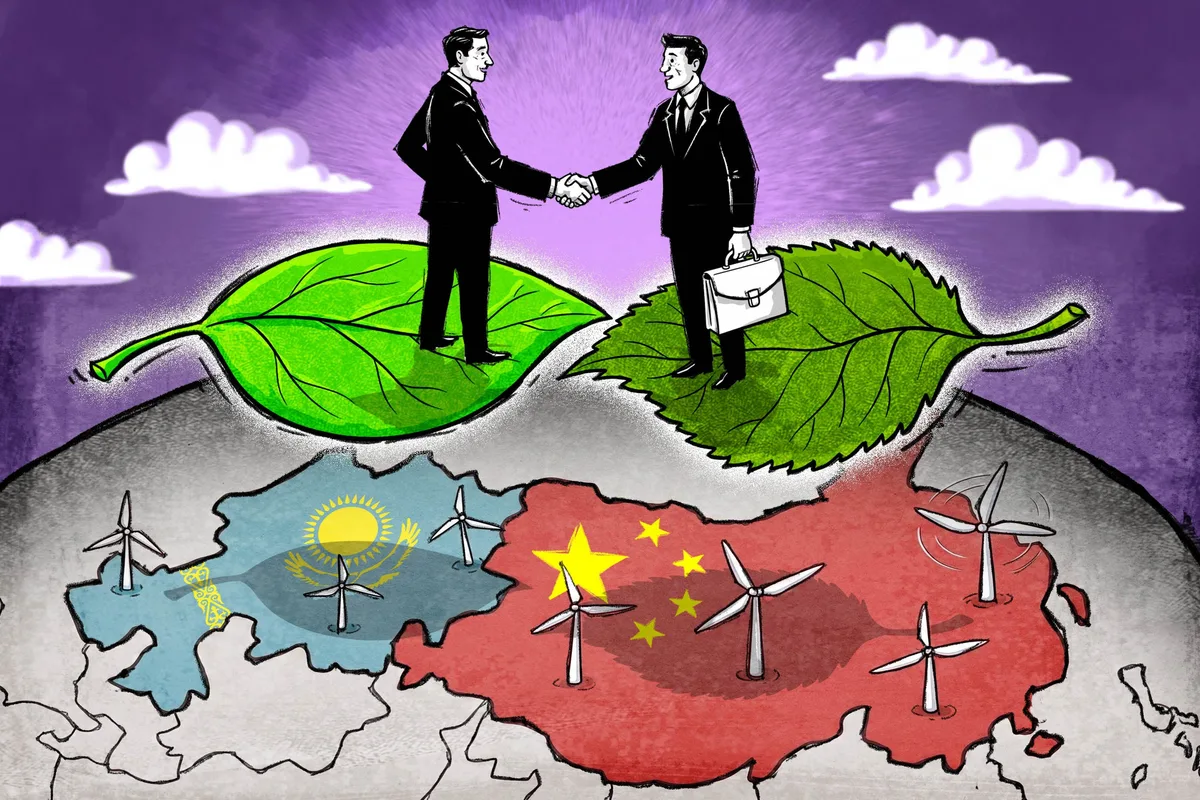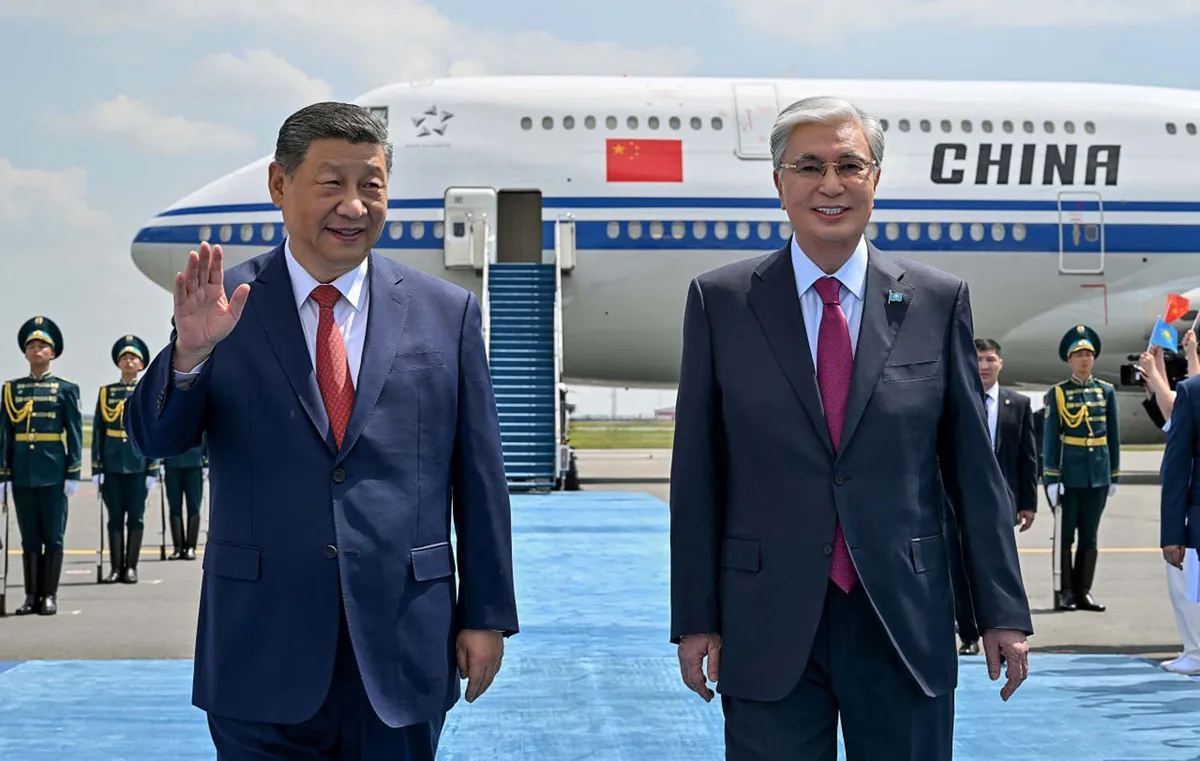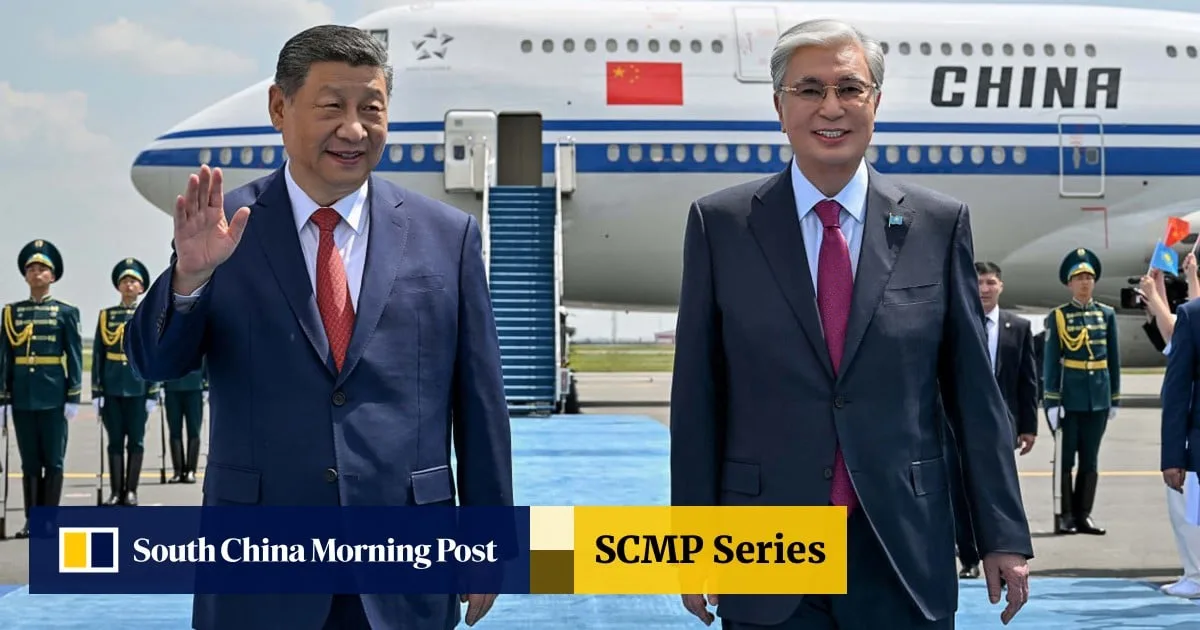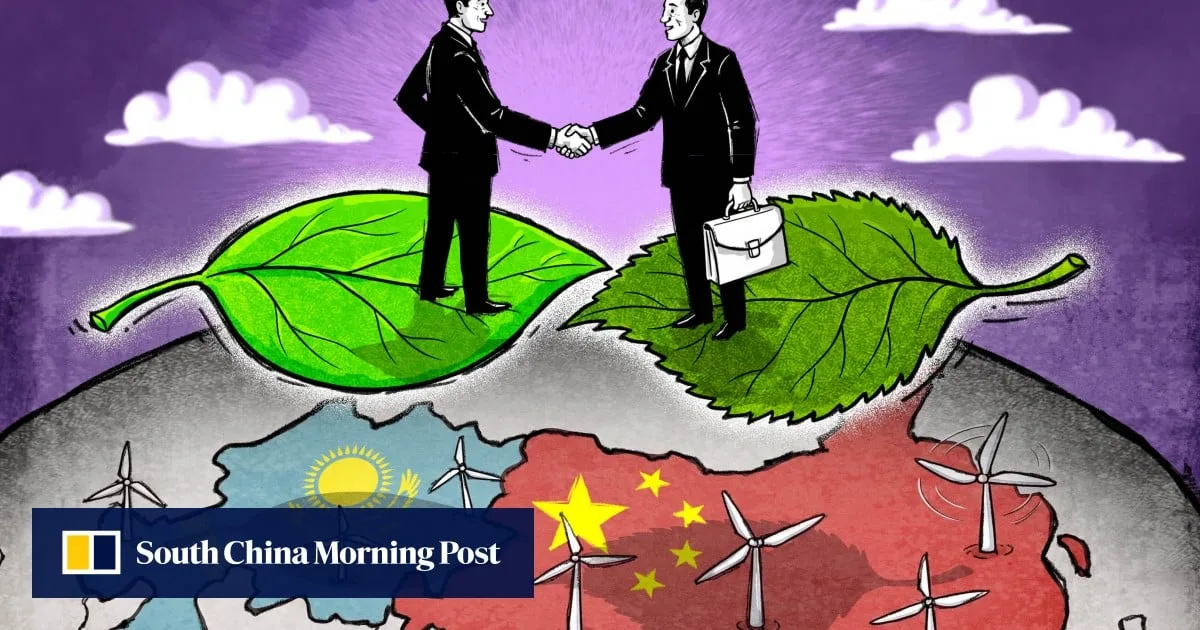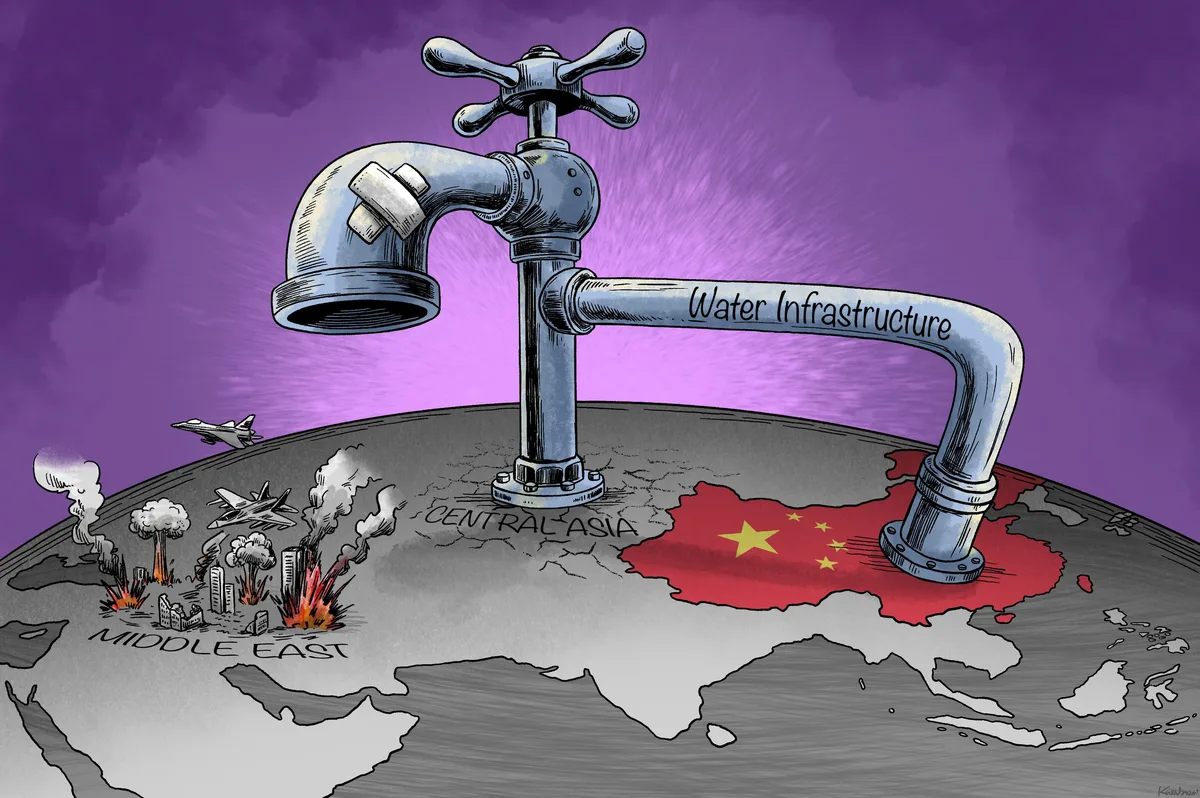
China is expanding its investments in Central Asia with a focus on upgrading Soviet-era infrastructure and advancing green technology projects, officials say [1, 2]. Kazakhstan stands out as a key partner in Beijing’s pivot under the Belt and Road Initiative (BRI) toward clean energy and sustainable development [1, 2].
In May 2026, construction began on a 500-megawatt wind farm in Kazakhstan’s Karaganda region. The project is a joint venture between Chinese and Kazakh firms and features advanced AI-powered technology to optimize energy output [2]. The capacity of 500 megawatts marks a significant boost in Kazakhstan’s renewable energy generation capabilities [2].
China’s BRI is shifting its focus in Central Asia from older infrastructure projects — such as ports and railways — toward mining, energy production, and green technology ventures. This strategy reflects growing regional demand for modernization and sustainable resources [2].
Kazakhstan’s ministry of ecology and natural resources highlighted the deepening bilateral cooperation, with Minister Yerlan Nyssanbayev stating that the country has "very close contacts" with China and is working with Beijing "on many fronts" to develop environmental and technological solutions [2].
Central Asia faces increasing water security issues amid regional conflicts, which may further drive the need for investment in resilient infrastructure and resource management projects, analysts say [1].
The 500 MW wind farm under construction is expected to be integrated into Kazakhstan’s national grid in coming years, representing a concrete step in the country’s transition to clean energy. Beijing’s increasing financial and technological support remains critical to these efforts [2].