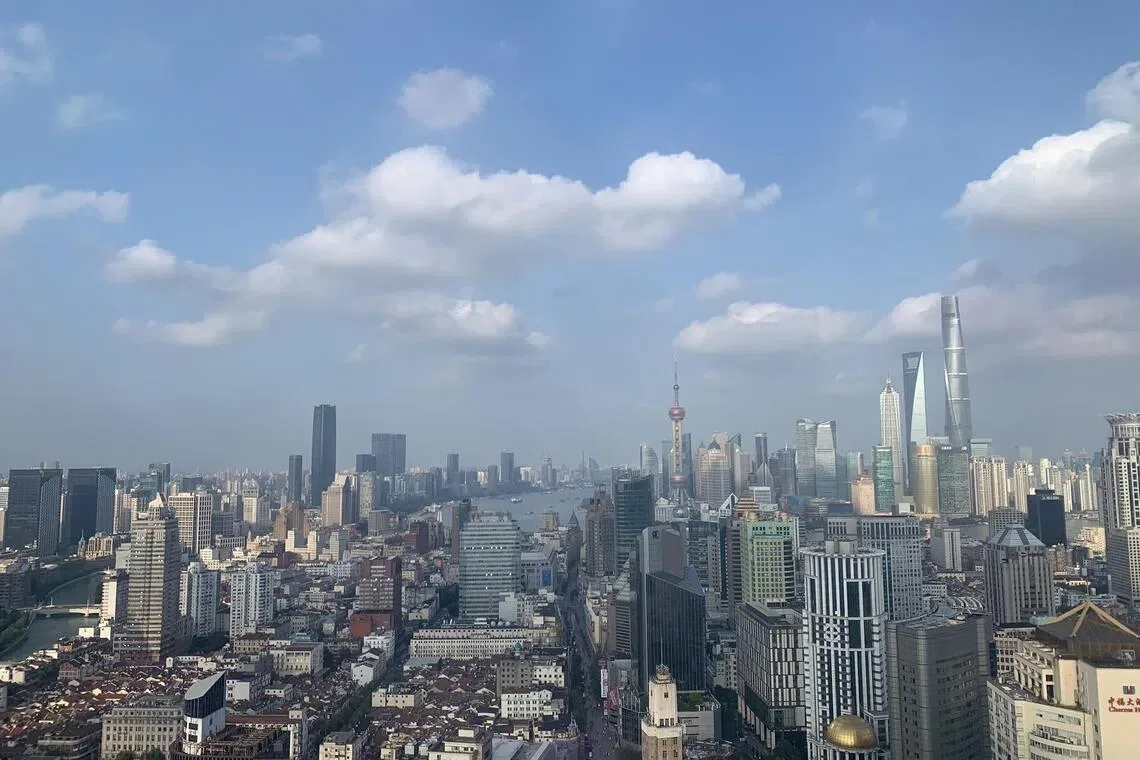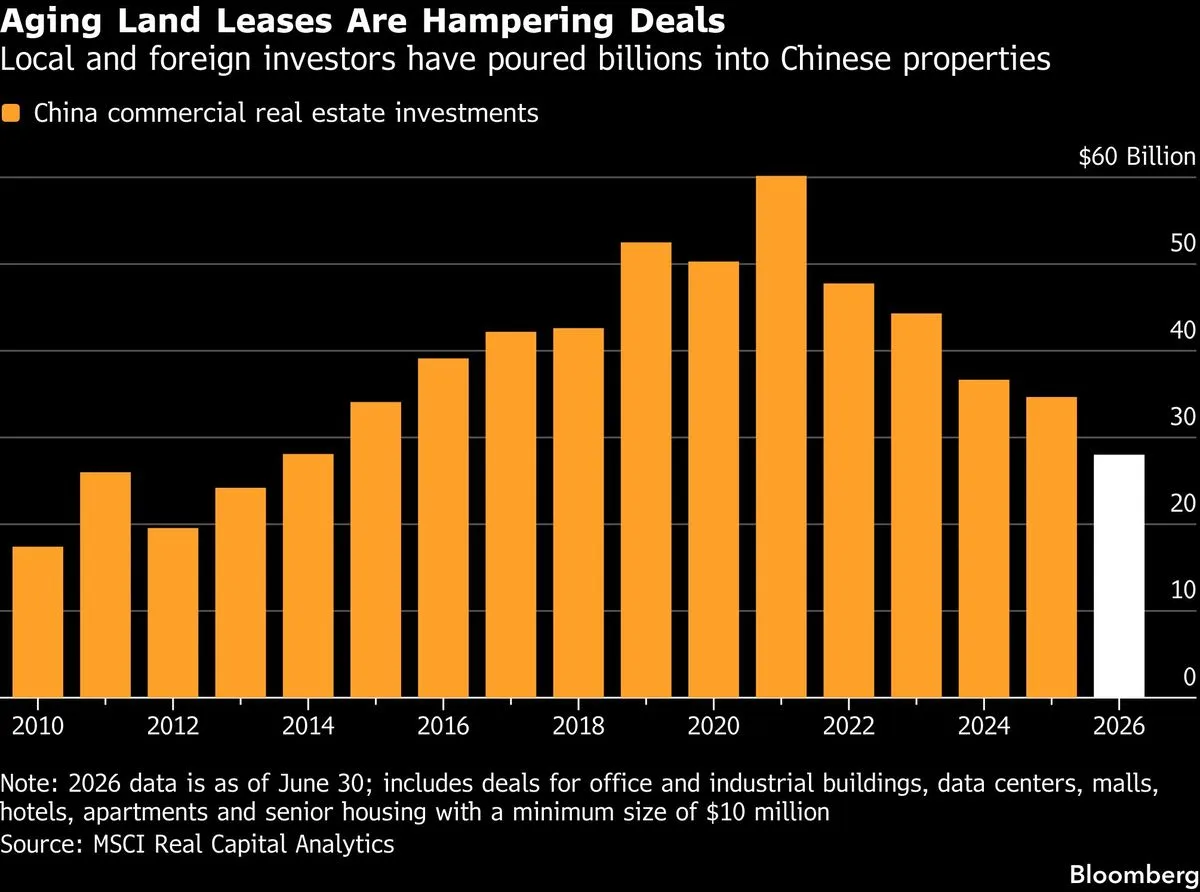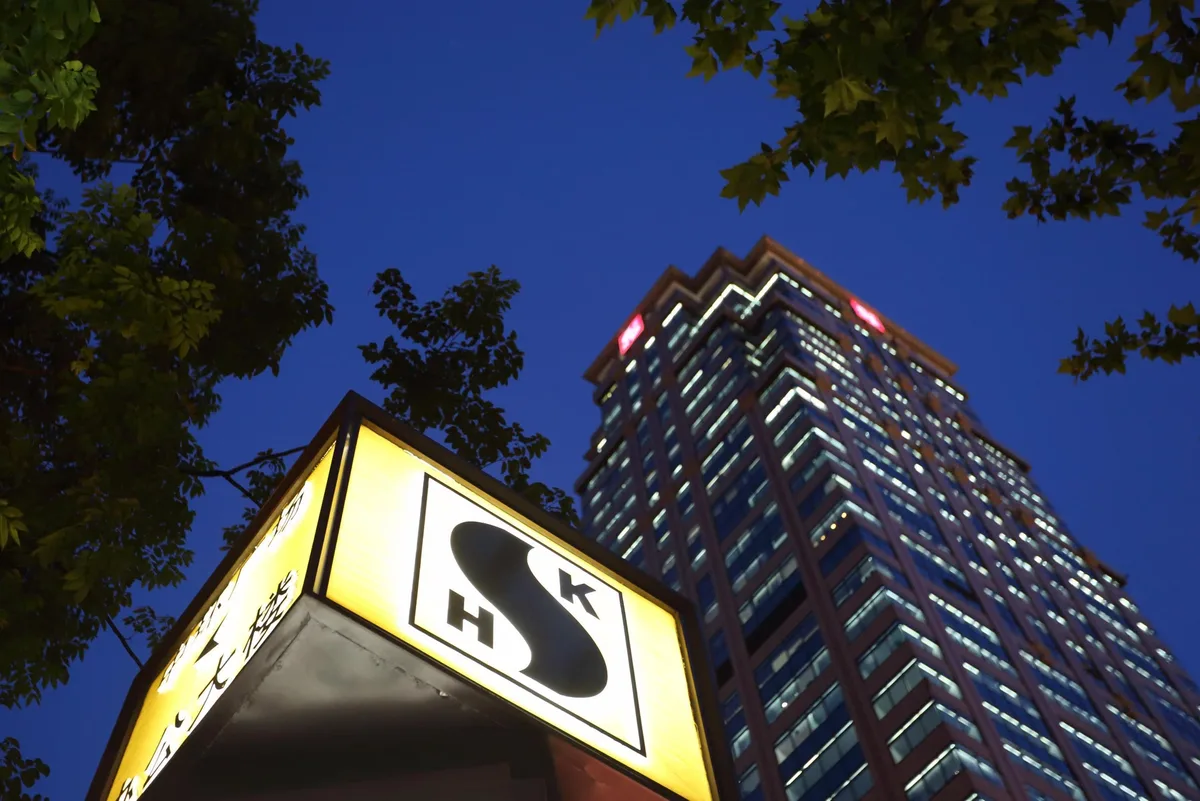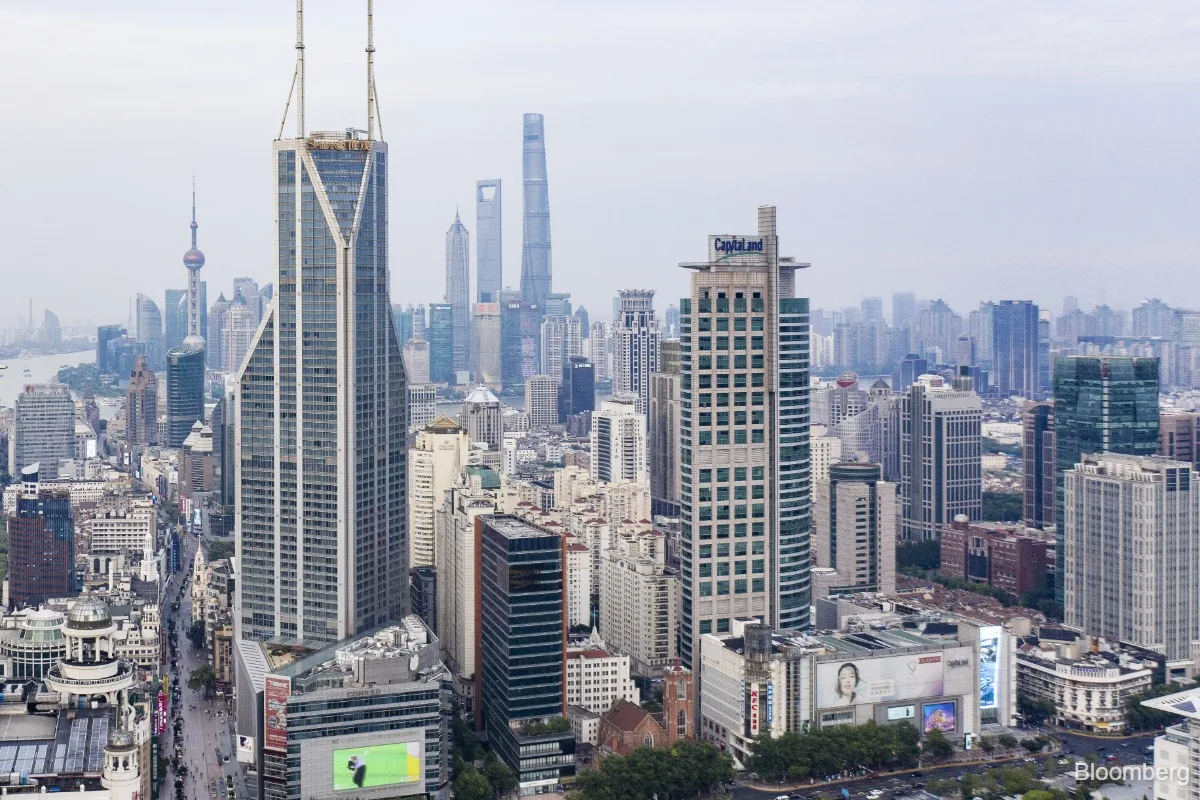
More than 1 trillion yuan (US$148 billion to US$190 billion) of non-residential property in China has leases of 20 years or less remaining, meaning many lease terms are halfway expired or beyond [1, 2, 3]. This includes office towers, shopping malls, and warehouses at risk of reverting to local governments when leases expire [1, 2, 3].
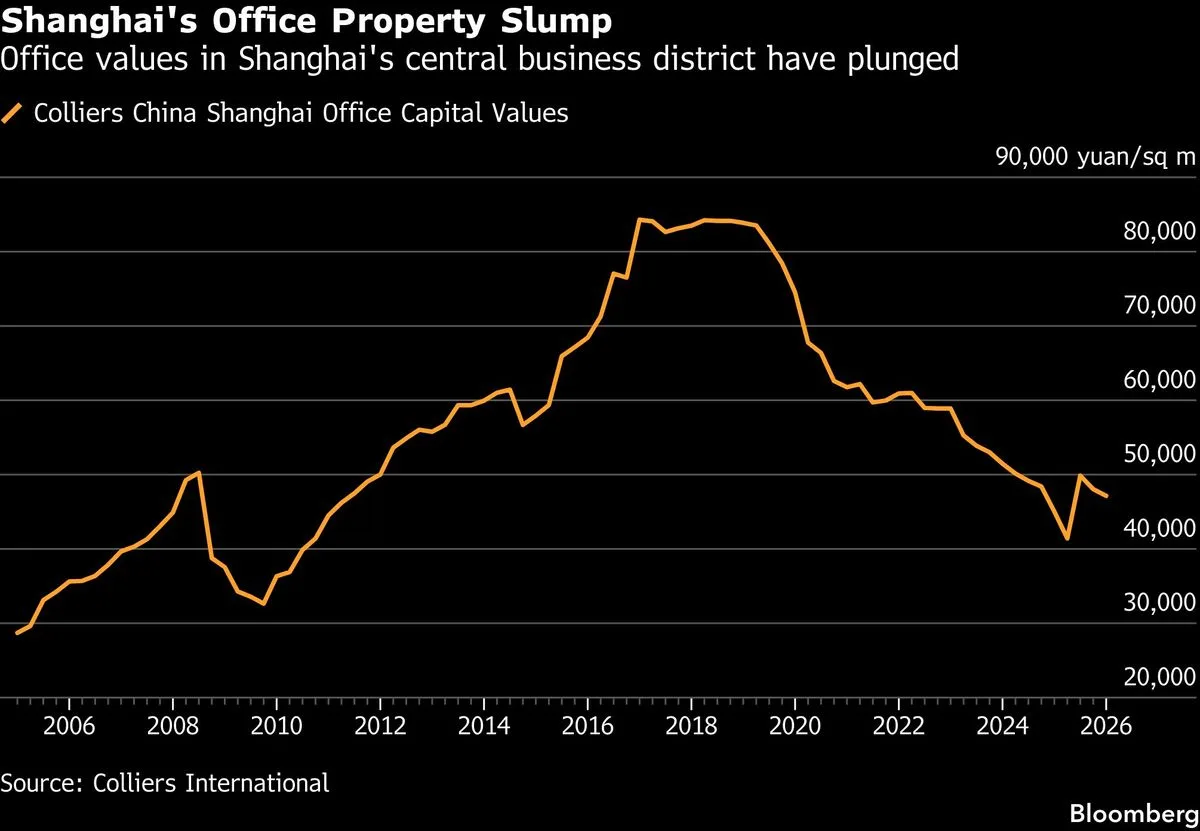
Almost all urban land in China is owned by the state, with current rules granting 40-year leases for shopping malls, 50 years for industrial and office properties, and 70 years for residential buildings [2]. The uncertainty over lease renewals has caused substantial market distress. Office property values in some major Chinese cities have fallen more than 40% from peak levels amid the uncertainty [1, 2, 3].
Developers have struggled to sell some assets due to risks about lease expiries, with firms like Parkview Group Ltd and New World Development notably affected [1, 2, 3]. The commercial property sector has also seen around US$130 billion of debt defaults linked to these challenges [1, 2, 3].
Local governments have begun issuing clearer guidance to address the issue. Guangzhou issued property lease renewal guidelines in early 2026, followed by Shanghai circulating its own guidance on lease renewal terms and costs in August 2026 [1, 2, 3]. Song Hongwei, research director at Tospur Real Estate Consulting, said, "Policy uncertainty over leasehold renewal has tanked appraisal values of commercial properties, hurt fundraising and impeded deals. Now, they’re all set to be improved" [2].
The next phase will likely involve implementation of these guidelines and further local government measures to stabilize the market and clarify lease renewal frameworks.