China's consumer price index (CPI) rose 0.5% year-on-year in July, down from 1.0% in June and below market expectations, the National Bureau of Statistics reported Tuesday [1, 2, 3, 4, 5]. On a month-on-month basis, CPI declined 0.1%, continuing a recent trend of falling monthly inflation [1, 2, 3, 5]. The core CPI, which excludes volatile food and energy prices, increased 0.9% year-on-year in July [2, 4].
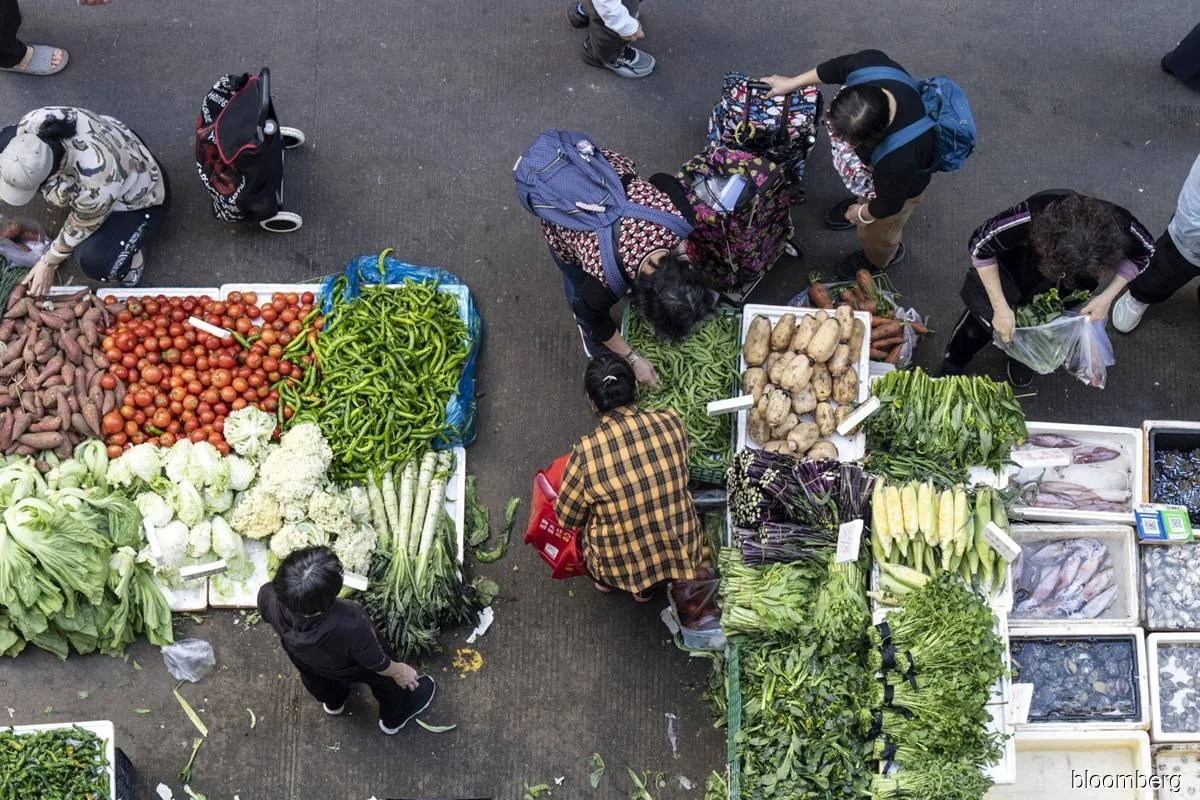
Producer price inflation also slowed. The producer price index (PPI) rose 3.5% year-on-year, down from 4.1% in June and below forecasts around 3.8% [1, 2, 3, 4, 5]. On a monthly basis, PPI fell 0.7%, with declines across petroleum, chemicals and metals sectors [2, 3, 5]. Gasoline prices dropped sharply by 10.7% month-on-month, adding pressure to overall CPI performance [2, 3]. Food prices held steady but slightly below seasonal norms [2, 5].
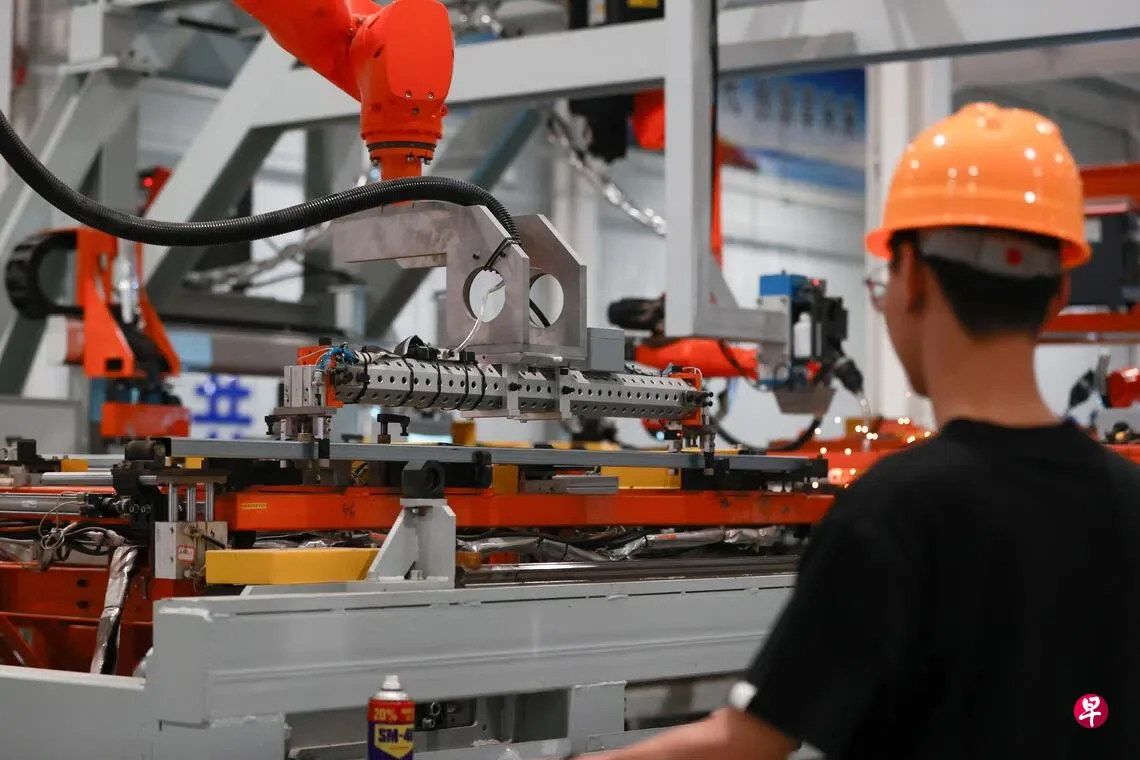
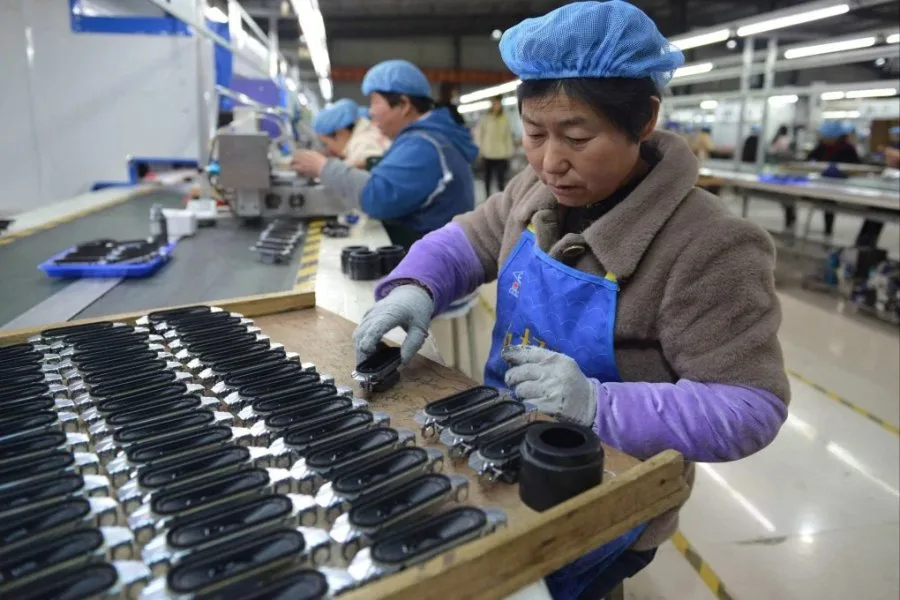
Summer travel boosted prices for travel-related services, including hotels, airfares and vehicle rentals, amid increased demand [2]. Meanwhile, prices rose in emerging sectors such as artificial intelligence, advanced manufacturing and new materials [2, 3, 4]. However, traditional manufacturing and real estate continue to struggle, resulting in a "K-shaped" economic recovery that diverges between new and old economy segments [3, 4].
Economic experts noted weak domestic demand remains a drag on inflation, while export growth and government infrastructure spending are key support factors for China's economy [3, 4]. Gary Ng, senior economist at Natixis, said the government's focus on safety and innovation over growth and income "may increase uncertainty around economic transition and resource reallocation" [3]. Associate professor Fu Fangjian of Singapore Management University described the uneven momentum between new and traditional industries: "The connection between new engines and old ones is not fully seamless. New manufacturing is hot while traditional is cold; the contrast in experience is large" [3]. Wang Qing, chief macro analyst at Oriental Jincheng, noted that despite Middle East tensions, the earlier surge in international oil prices is fading, with China's CPI and core CPI staying low around 1.0% year-on-year mainly due to weak consumer demand [5].
Falling international oil prices and seasonal factors were major contributors to the CPI and PPI declines in July [1, 2, 3, 4, 5]. Analysts expect inflation this year to follow an M-shaped pattern amid continued demand weakness and oil price uncertainty [4]. The National Bureau of Statistics published the official inflation data on August 9 confirming the July slowdown across both CPI and PPI [1, 2, 3, 4, 5].