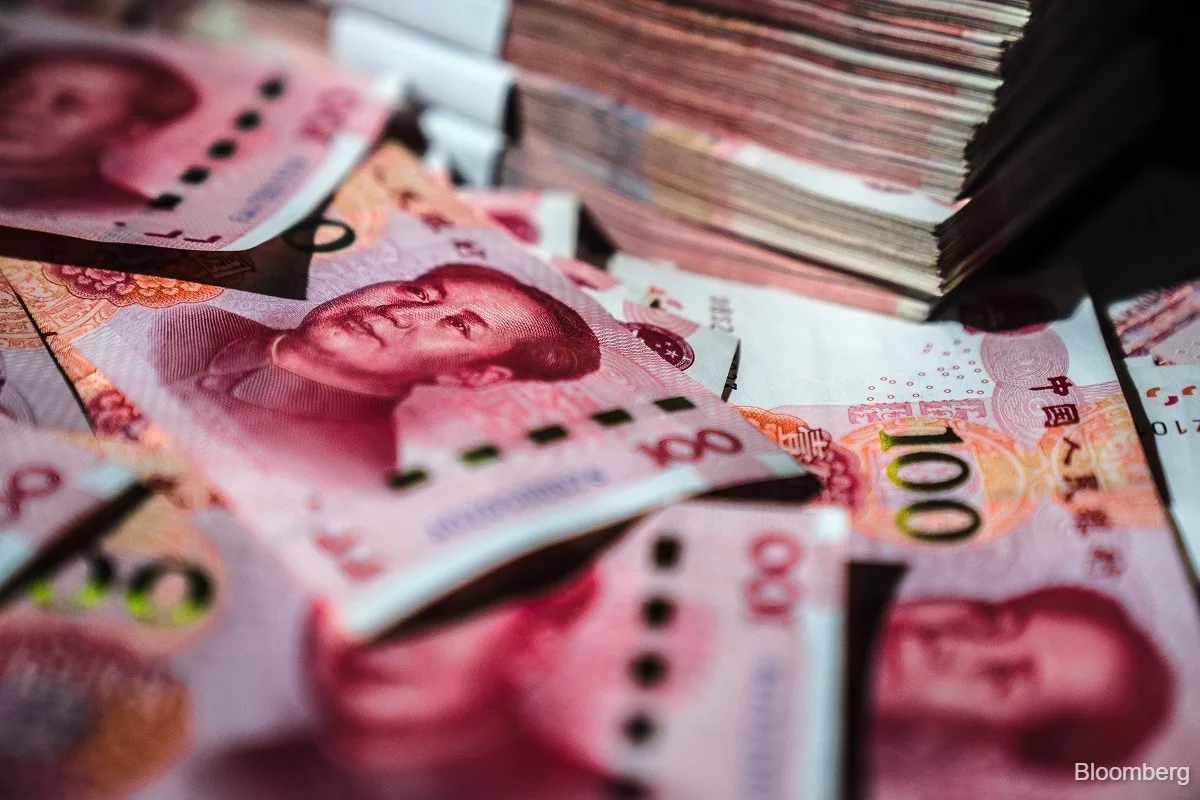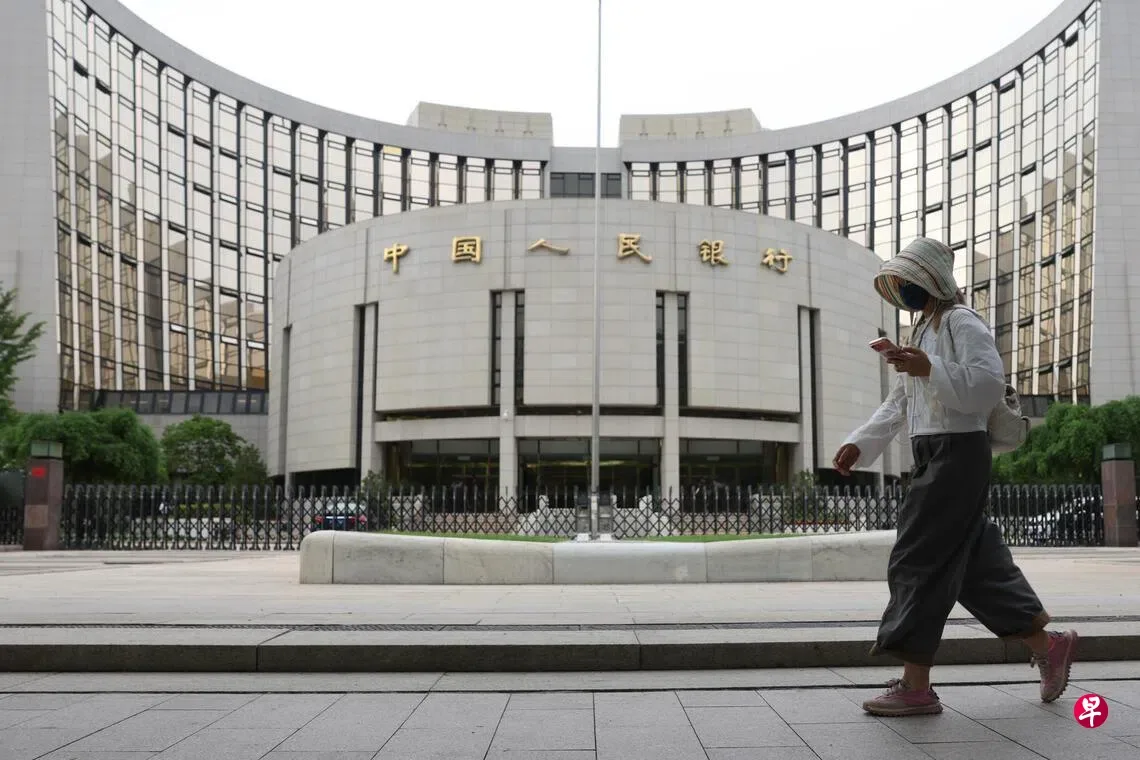
China's new yuan loans increased to 520 billion yuan in May 2026, rebounding from a 10 billion yuan contraction in April but falling short of analyst forecasts of 550 billion yuan [1, 2]. This marks a modest recovery after April's first monthly shrinkage in new loans in years.
Total new yuan loans for the first five months of 2026 reached 9.11 trillion yuan, down sharply from 10.68 trillion yuan during the same period in 2025 [1, 2]. Outstanding yuan loans grew at a slower pace, rising 5.5% year-on-year in May to 281.02 trillion yuan, compared to 5.6% growth in April [1, 2].
Despite informal guidance from the People's Bank of China (PBOC) to major state-owned banks to boost lending in April and May, loan demand remains weak, particularly for household borrowing [1, 2]. Household loans declined by 631.4 billion yuan in January-May 2026 as borrowers deleveraged amid ongoing property sector downturn [2]. The reduced appetite for borrowing has led to faster growth in household deposits, signaling a "store more, borrow less" trend.
The downturn in the property market continues to weigh on overall credit demand. Shen Meng, director at Xiang Song Capital, said liquidity remains trapped in the financial system rather than flowing into the real economy. Shen added, "Banks are unclear about the true purpose of loans; genuine financing needs from private companies face distrust, causing a mismatch between deposits and loans and between state and private sectors" [2].
Social financing growth reflected these trends, with total social financing rising 17.48 trillion yuan in the first five months of 2026, down 1.16 trillion yuan year-on-year, though the May monthly increase of 2.03 trillion yuan beat Bloomberg expectations [2]. Meanwhile, broad money supply (M2) rose 8.6% year-on-year in May, slightly above market median estimates, while narrow money supply (M1) grew 5.5% [1, 2].
The PBOC has also instructed major banks to reduce interbank borrowing to discourage excessive funds circulation within the financial system and encourage lending to the real economy [2]. Standard Chartered Bank chief economist Ding Shuang said liquidity and low financing costs alone may not be enough to boost credit demand, noting fiscal spending must accelerate to create more loans demand [2].
The PBOC will release updated lending and money supply data on June 12, reflecting ongoing assessment of credit conditions amid economic stabilization efforts [1, 2].