China’s Ministry of Finance announced on September 6 it will inject approximately 360 billion yuan (around $54 billion) into eight major state-owned banks and insurance companies to strengthen their capital bases and enhance risk resistance amid slowing economic growth [1, 2, 3, 4, 5].
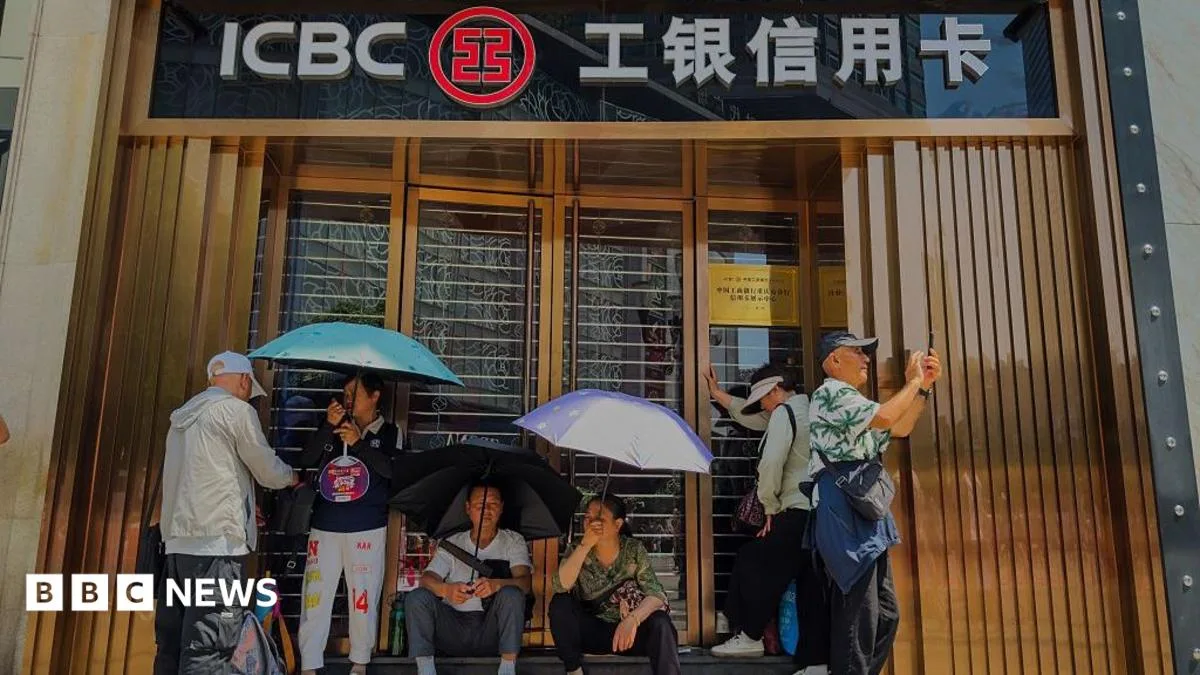
The capital injections target Industrial and Commercial Bank of China (ICBC), Agricultural Bank of China (ABC), China Life Insurance, China Taiping Insurance Group, People’s Insurance Company of China (PICC), China Export & Credit Insurance Corporation, China Reinsurance Group, and China Export-Import Bank [1, 2, 3, 4, 5]. The plan aims to boost the financial sector’s ability to serve China’s real economy, support credit growth, and improve solvency amid global financial uncertainty [1, 2, 3, 5].
China Life Insurance will receive 35 billion yuan (about $5.2 billion). The company said the capital injection is "an important step by the country to enhance the financial sector’s ability to serve the real economy," and it will "strengthen the group’s ability to withstand risk" [2]. Another China Life statement said the funding would support its "operational resilience and risk-bearing capacity while supporting its core businesses and corporate governance" [4].
China Taiping Insurance Group will get 7 billion yuan to improve solvency and risk resilience, while PICC plans to raise up to 15 billion yuan through a private placement of A-share stocks to replenish capital [2, 4, 5]. ABC and ICBC plan large private A-share stock placements, with ABC aiming to raise up to 160 billion yuan and ICBC 100 billion yuan, involving investments from the Ministry of Finance, China National Tobacco Corporation and subsidiaries [2, 3, 5].
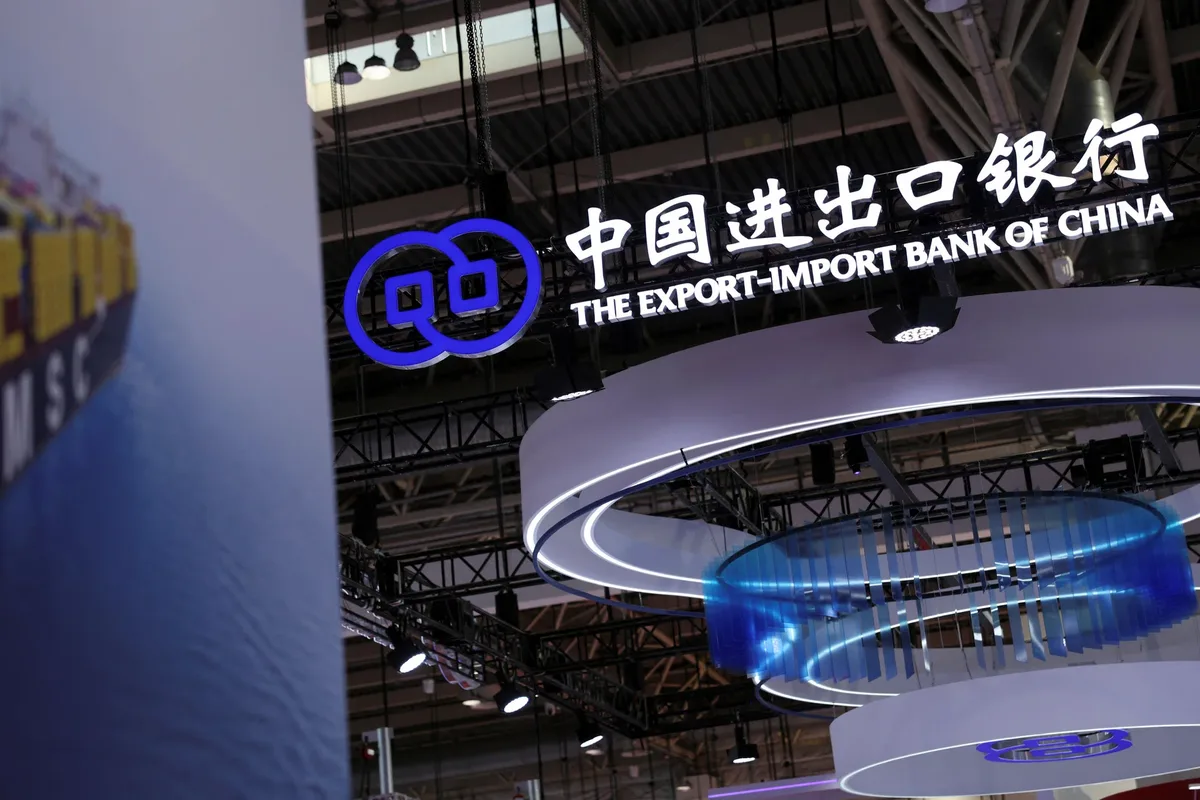
China Export-Import Bank is set to receive 30 billion yuan to enhance capacity supporting the real economy and managing risks, with China Export and Credit Insurance Corporation and China Reinsurance Group receiving 10 billion yuan and 3 billion yuan respectively [3, 5].
The capital injection plan was first announced at China’s annual parliamentary meeting in March 2026 as part of broader efforts to stabilize growth amid challenges including trade tensions, an aging population, a property market slump, and the impact of the Iran war on oil prices [1, 2, 5]. China’s Q2 2026 GDP growth slowed to 4.3%, below the government’s annual target, reflecting weakening domestic demand and external uncertainties [1].
The Ministry of Finance and participating institutions confirmed the injections on September 6 following the earlier announcement. The plan represents a key step in shoring up financial sector stability and supporting economic development under difficult conditions [1, 2, 3, 4, 5].