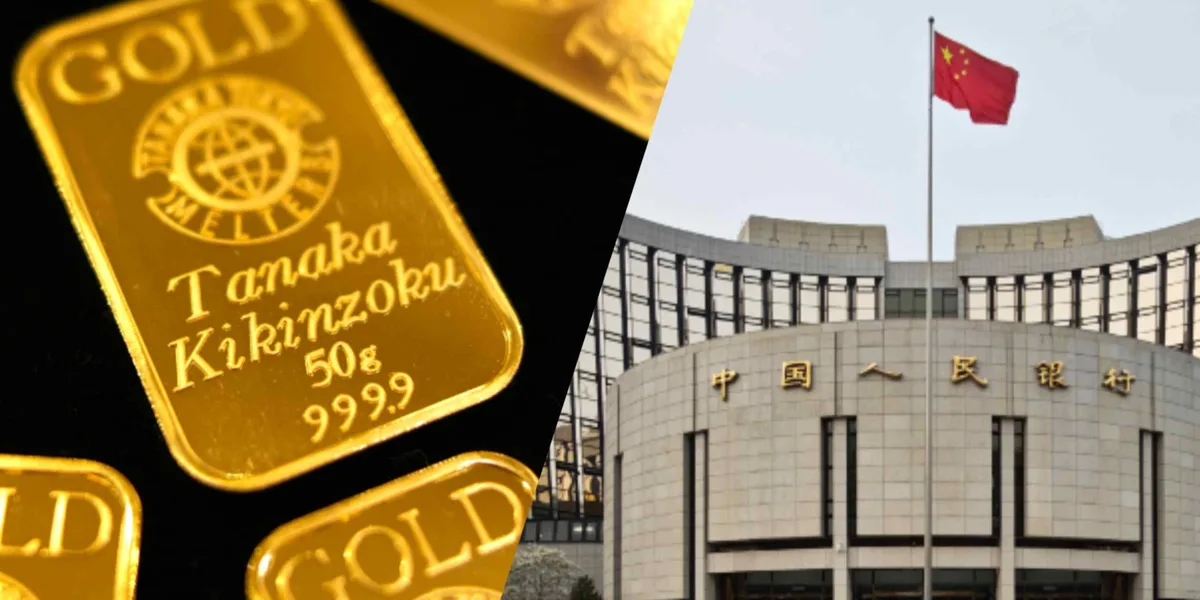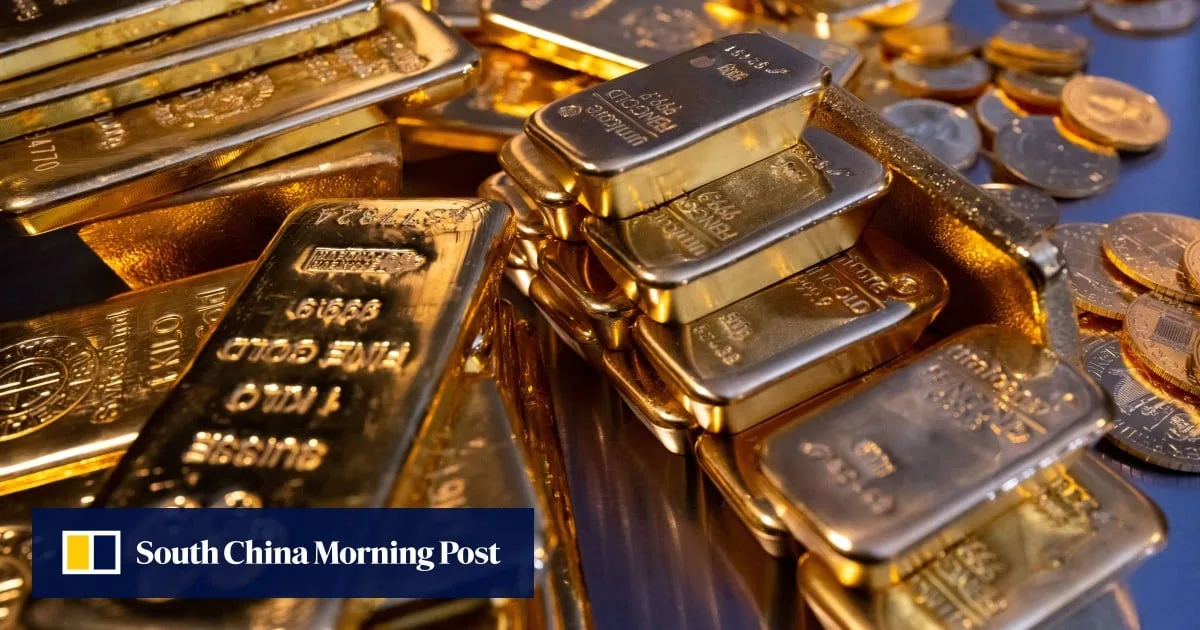
China’s central bank, the People’s Bank of China (PBOC), increased its gold reserves for the 20th consecutive month in June 2026, adding about 480,000 troy ounces (nearly 15 tons) of gold. This brought China’s total gold holdings to approximately 75.44 million troy ounces, or 2,346 tons, one of the largest gold reserves in the world [1, 2].
The purchase in June was the biggest monthly gold acquisition by China since October 2023. It marks the longest continuous gold-buying streak by the PBOC since at least 2015 [1, 2]. Analysts see the accumulation as part of China’s strategy to diversify its foreign-exchange reserves away from US dollar assets and reduce vulnerability to US sanctions and market volatility [2].
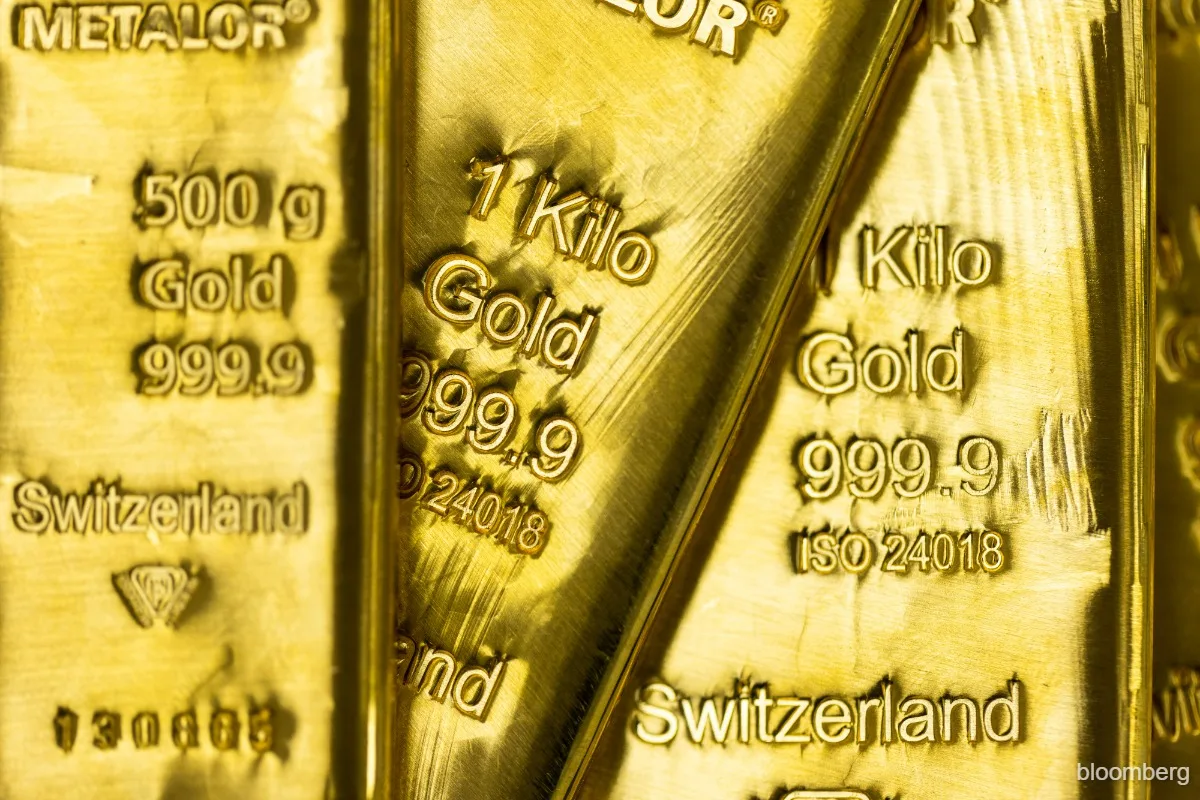
In contrast, institutional investors have been selling gold amid rising US interest rates and expectations of further Federal Reserve hikes, which pressured global gold prices downward [1, 3]. Gold prices fell by 12 percent in June 2026, dropping below $4,000 an ounce for the first time since the 2008 financial crisis. This was the largest monthly drop in gold prices since 2008, attributed to hawkish US monetary policy and inflation concerns [1].
At the same time, China’s foreign exchange reserves declined by about US$26 billion, or 0.75 percent, to $3.42 trillion at the end of June 2026 [2]. Despite the drop in FX reserves, the central bank continued to steadily increase its gold holdings, which South China Morning Post noted coincided with a gold price rebound above $4,140 an ounce following earlier losses. The outlet added that bullion had gained over 2 percent in the preceding week, marking its first weekly advance since May [2].
China’s ongoing gold purchases come amid global economic uncertainty, reflecting Beijing’s emphasis on securing its reserves and insulating itself from external financial pressures. The central bank’s next event to watch will be its reserves report for July 2026 to see if the trend continues.