China's industrial production growth slowed to 4.5% year-on-year in July, down from 5.3% in June and below forecasts, marking a clear loss of momentum in manufacturing activity [1, 2, 3, 4, 5, 6]. Retail sales growth also softened, with a 0.6% increase in July compared to 1% in June, underperforming expectations and signaling weak consumption demand [2, 3, 4, 5, 6].
Fixed-asset investment contracted 6.7% year-to-date through July, accelerating the decline from 5.7% seen in the first half of the year. This reflects ongoing challenges in investment, particularly in the real estate sector where July’s investment fell 19.2% and residential sales dropped 13.2% year-on-year [2, 5, 6]. Urban unemployment rose modestly to 5.2% in July from 5.0% the prior month, indicating continued pressure in the labor market [2, 5, 6].
Officials attributed part of the slowdown to heavy rainfall and extreme weather in July, which disrupted factories, ports, and supply chains across China [2, 4, 6]. The National Bureau of Statistics delayed the release of July data by several hours, raising some market concerns about the economic outlook [2, 5, 6].
China’s second-quarter GDP grew 4.3% year-on-year, one of its slowest in recent quarters and below the official target range of 4.5-5% [4, 7, 5]. Chinese Premier Li Qiang acknowledged the weakness on August 17, saying, "Currently, the problem of insufficient domestic demand remains prominent, some industries and enterprises are facing increasing difficulties, and uncertainties in external environment are rising. We should actively stabilise external demand, expand mutually beneficial international economic and trade cooperation and promote balanced trade development" [4]. He added the government would "give full play to the effectiveness of existing policies, and promptly formulate practical and effective incremental policies" to meet economic and social targets [7].
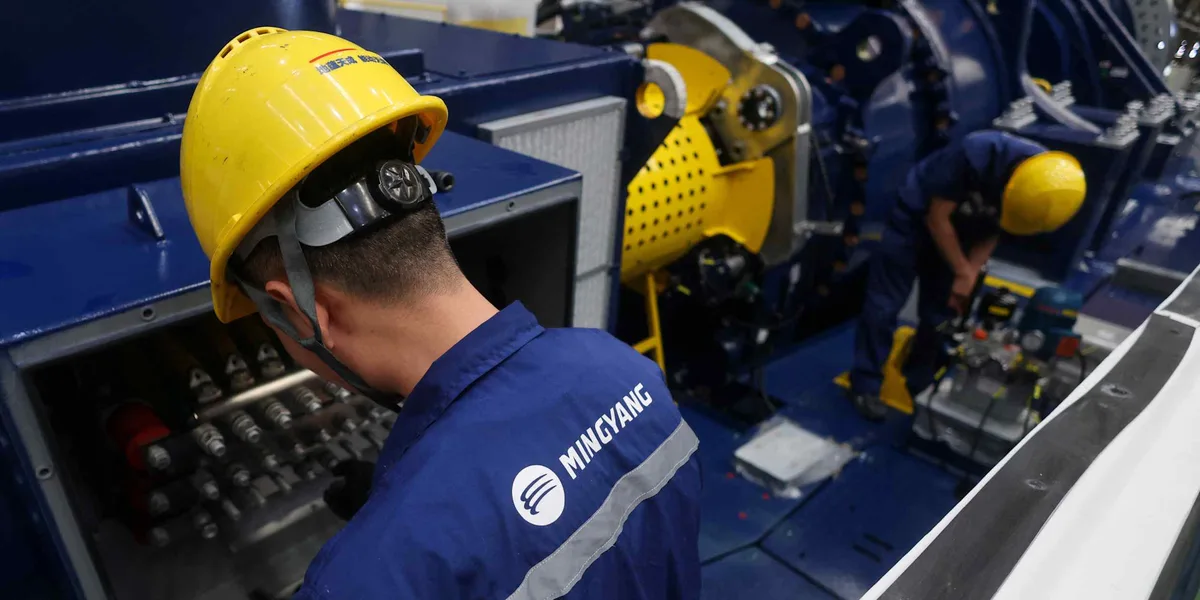
While the broader economy slowed, high-tech manufacturing sectors linked to AI and industrial robotics showed resilience and growth, providing a partial bright spot amid the wider downturn [1, 4, 6]. Analyst Julian Evans-Pritchard of Capital Economics noted the boost from AI capital expenditure and said some weakness partly reflected temporary disruptions from typhoons, adding there could be a modest growth uptick later in the year supported by fiscal loosening [4]. Asian markets analyst Sadi Kaymaz suggested China may fall short of its 4.5% growth target and instead reach around 4%, with Beijing relying more on qualitative evaluations and focusing on high-tech growth rather than broad stimulus [6].
No major new stimulus package is expected immediately, but authorities may accelerate existing supportive measures to stabilize growth [7, 6]. Official data for the remainder of 2026, including second-half GDP figures, will reveal whether these efforts contain the slowdown or if weakness deepens.