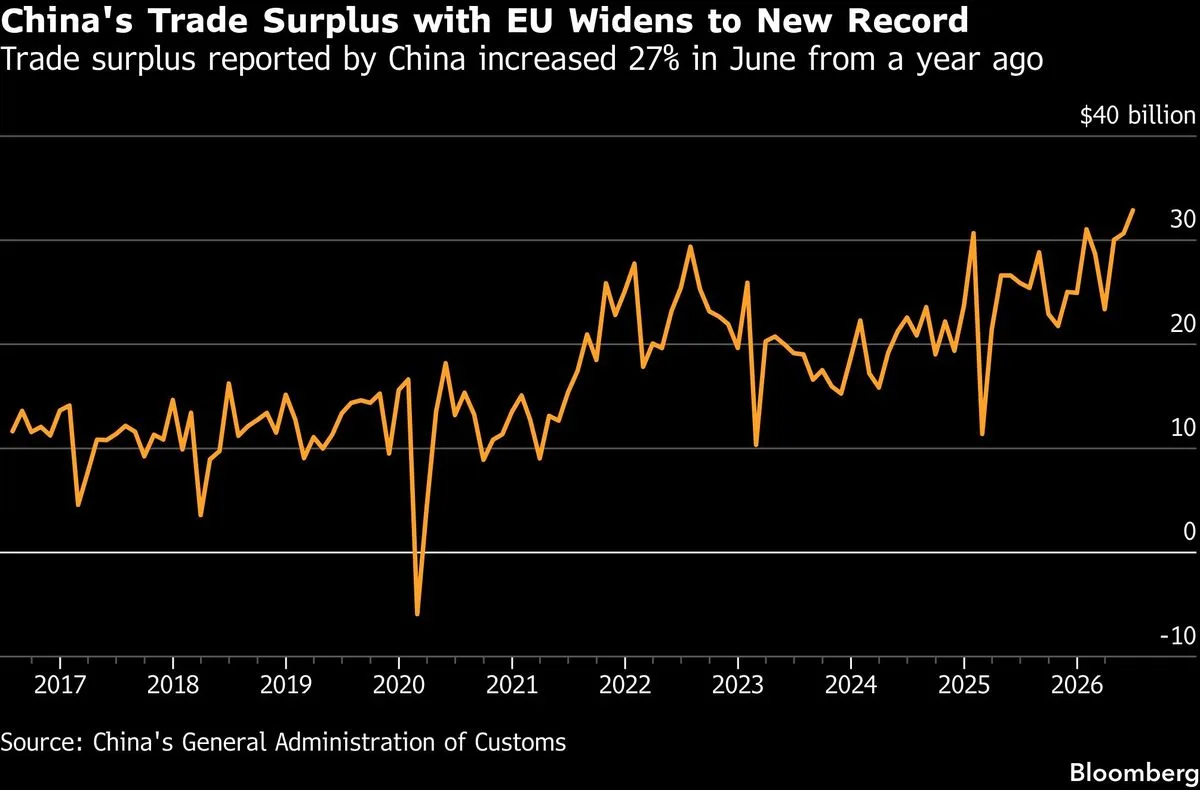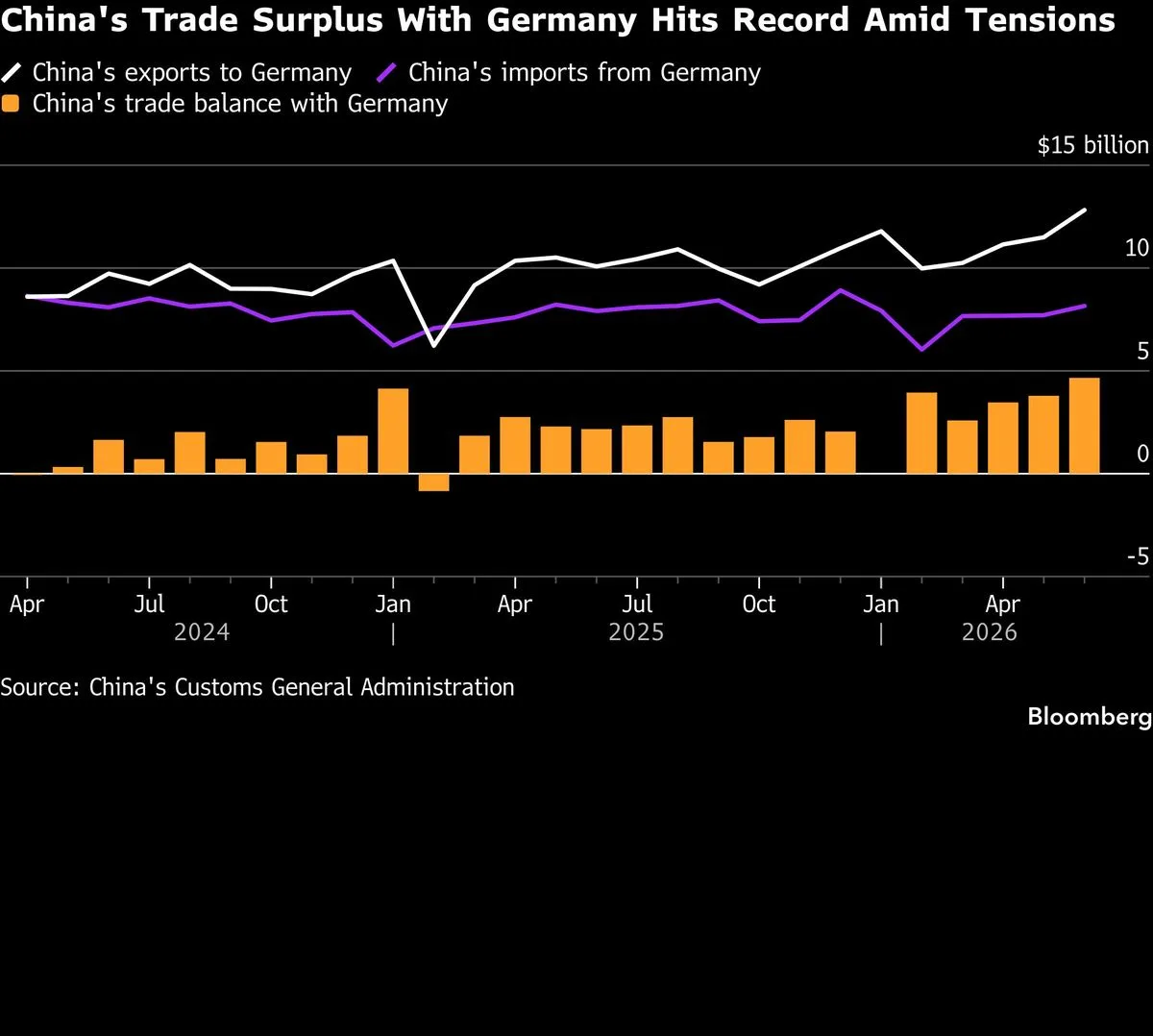
China’s trade surplus with the European Union climbed to a record $32.9 billion in June 2026, a 27% increase from the previous year, Chinese customs data showed [1]. For the first half of the year, China imported $135.6 billion worth of goods from the EU, up 9% year-on-year, while exports to the EU surged 17% to $312.3 billion [1].
This trade imbalance amounts to an average daily surplus of around €900 million for China in the first half of 2026 [2]. The overall surplus for the period reached 1.225 trillion yuan, roughly £135 billion, driven by stronger exports to the EU [2].
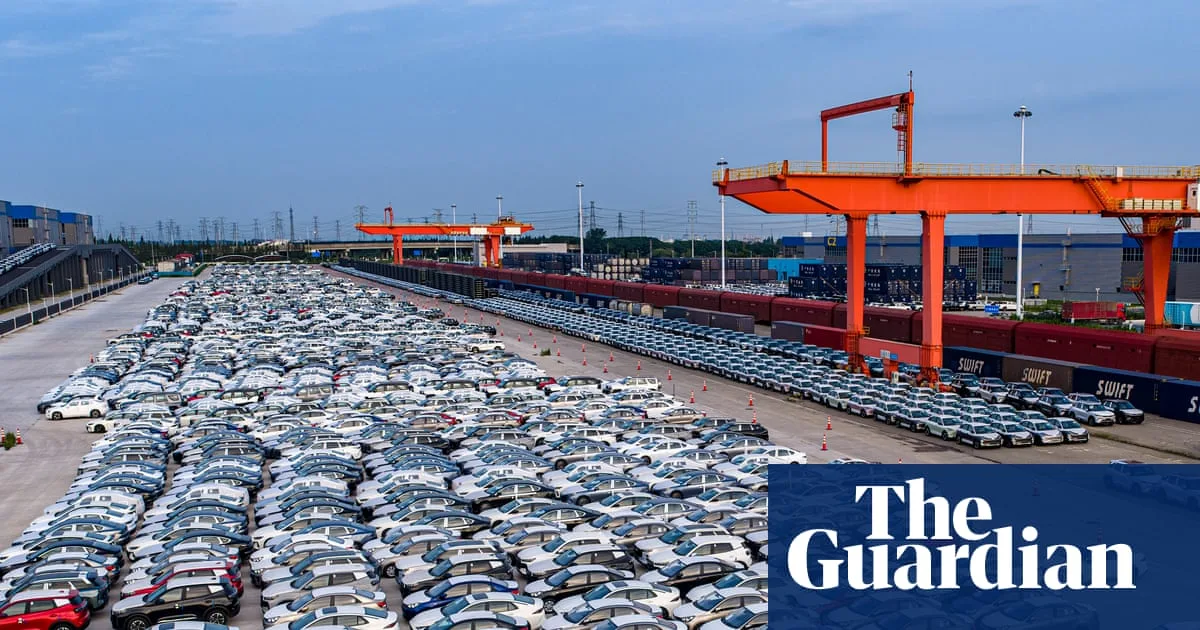
China’s export growth was supported by a surge in car shipments, with monthly auto exports topping one million units in June for the first time [2]. Electric and hybrid vehicle exports have particularly pressured European automakers, prompting restructuring efforts. Volkswagen CEO Oliver Blume described the situation as "the most comprehensive realignment in the company’s history" [2].
In response to rising import volumes from China, EU trade officials announced on July 14 that they are considering emergency safeguard measures, such as tariffs and quotas, to counter the surge [3]. Denis Redonnet, the EU deputy director general for trade, said, "Structural rebalancing will not take place before October, what can we do before that October deadline? We’ll look at a number of sectors, try to start rebalancing, try to rein in the export levels. It may be that we are also in situations because of import surges where contingency trade protection-type tools like safeguards become legitimate and necessary on a case-by-case basis" [3].
Economists like Larry Hu of Macquarie Group warned that "trade imbalances with the EU continued to rise. Despite a three-month trade truce, the growing surplus keeps the risk of a China–EU trade conflict elevated" [1].
The EU’s planned trade measures will be crucial as officials seek to curb the growing Chinese export volume before year-end, when the October deadline for potential structural shifts in China’s trade is anticipated [3].