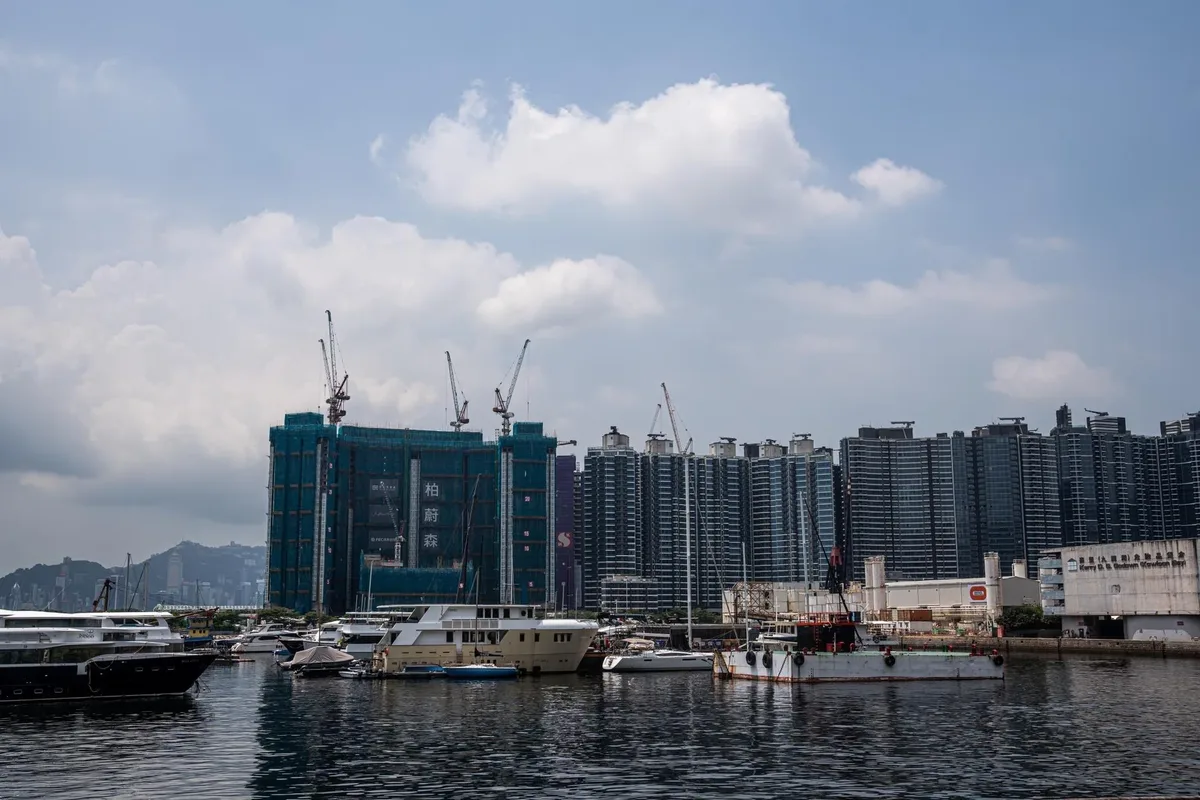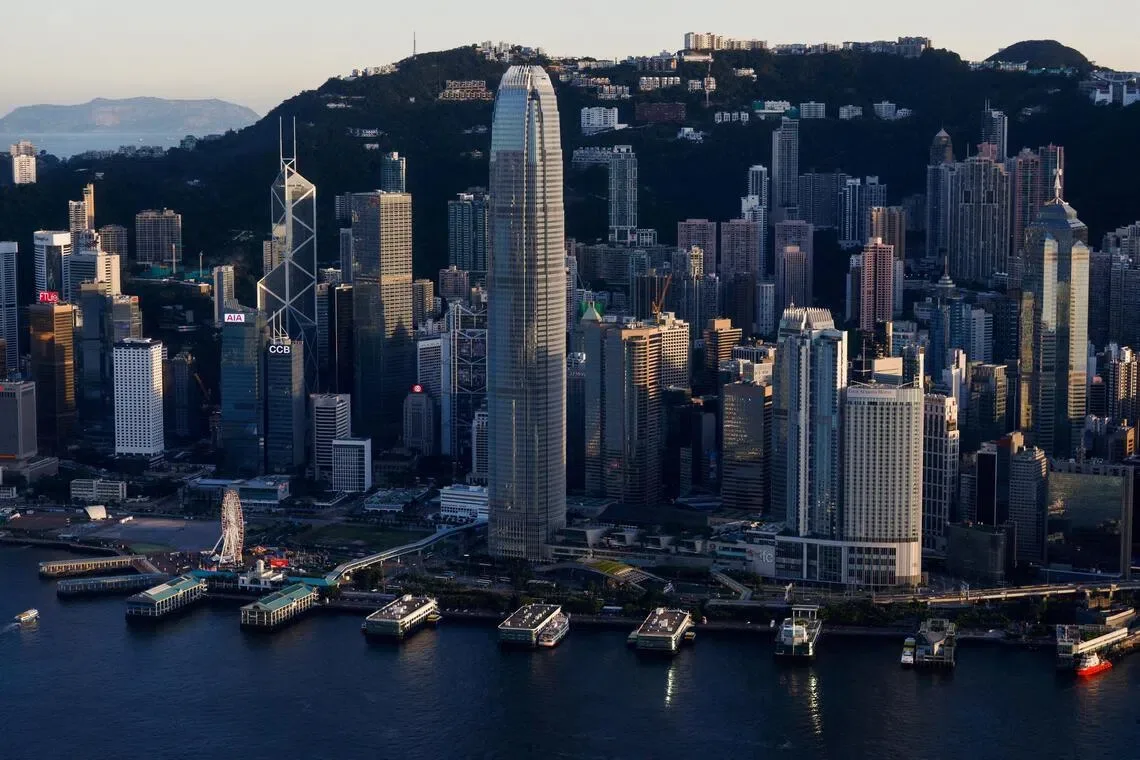
Mainland Chinese homebuyers spent around HK$43 billion on Hong Kong real estate in the first quarter of 2026, setting a record for that period as they purchased a wider range of properties including two-bedroom apartments and office blocks [1, 2]. This surge followed the removal of non-resident homebuyer taxes in 2024, after which mainland buyers accounted for about one third of all property purchases across both mass-market and luxury segments [1].
The median price of properties bought by mainland Chinese from January to April 2026 was HK$6.95 million, notably higher than the HK$5.43 million median paid by local buyers during the same period [1, 2]. Affluent and highly educated mainland Chinese have been driving immigration to Hong Kong, attracted by low taxes and visa options. This trend has boosted demand particularly in middle-class neighborhoods such as Kai Tak and Wong Chuk Hang [1, 2]. Kenny Tsui, manager at Centaline Property Agency, said, "They contribute to every kind of deal we do, from quick rentals to buying mass-market homes as well as luxury properties. We barely have to speak Cantonese" [1, 2].
However, new curbs imposed by the Chinese government in May 2026 aim to rein in illegitimate cross-border funding channels and tighten controls on overseas cash outflows by wealthy mainland buyers. The regulations include an annual overseas cash outflow limit of US$50,000 per person [1, 2]. These measures threaten to reduce demand for luxury homes in Hong Kong, since buyers often rely on moving large lump sum cash deposits out of mainland China to support purchases.
Patrick Wong, senior analyst at Bloomberg Intelligence, said, "The negative impact would be more on sales of luxury homes. For luxury units with a sizeable amount of lump sum, they may still need to move money out from mainland China to support their purchases" [1, 2]. Mainland buyers’ ability to acquire Hong Kong property may be hampered by tougher enforcement of these capital outflow restrictions, particularly for large down payments [1, 2].
As of August 2026, the full impact of these Chinese regulatory curbs on Hong Kong’s property market is yet to be seen. Market participants will be watching closely how mainland Chinese homebuyers adjust their strategies given the new financing constraints.