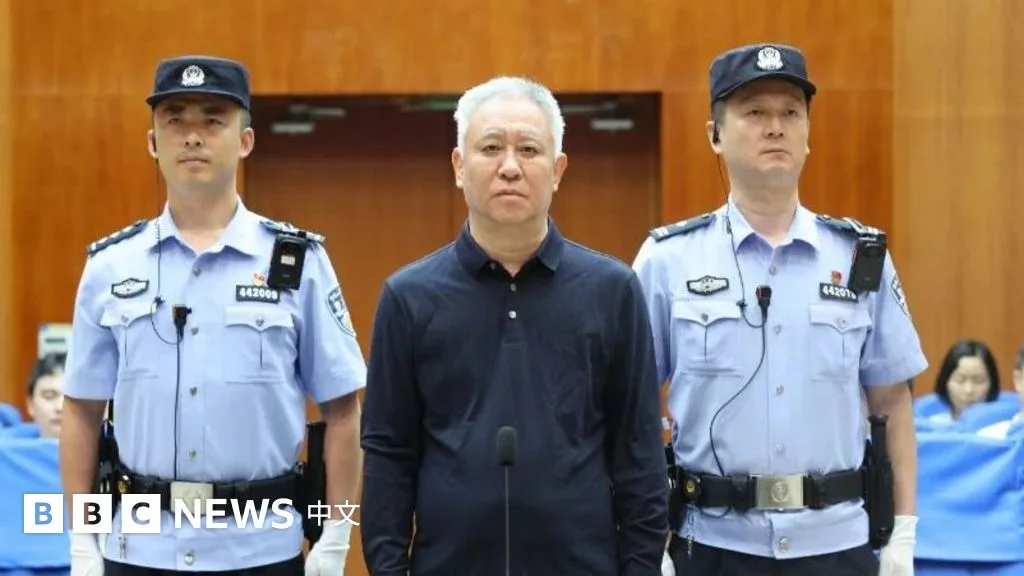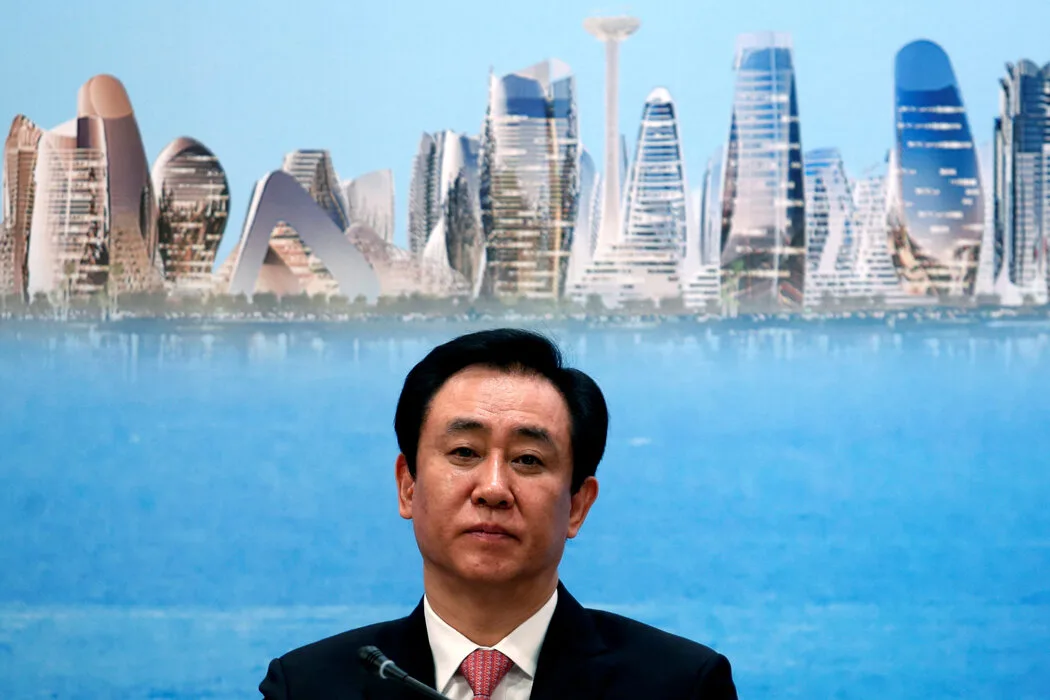
Xu Jiayin, founder and actual controller of Evergrande Group, was sentenced to life imprisonment by the Guangdong Shenzhen Intermediate People's Court on August 20, 2026. He was convicted of illegal public deposit-taking, fundraising fraud, illegal loan issuance, securities fraud, illegal use of funds, bribery, and embezzlement [1, 2, 3, 4, 5, 6]. The court also ordered the confiscation of all his personal assets and lifelong deprivation of his political rights [1, 2, 3, 4, 5, 6].
The court fined Evergrande Group 88.2 billion RMB and its subsidiary Evergrande Real Estate 70 billion RMB for their illegal activities, totaling 158.2 billion RMB in penalties [1, 3, 4, 5, 7]. Alongside Xu Jiayin, 56 other individuals, including his two sons and senior executives of the group, received prison terms ranging from 22 months to 18 years for similar financial crimes [2, 4, 5, 7, 6].
Xu Jiayin pleaded guilty in court to charges including fundraising fraud, illegal use of funds, and securities fraud earlier in April 2026. The verdict on August 20 was his first public courtroom appearance since his arrest in September 2023 [1, 2, 4, 5].
The court found that from 2016 to 2021, Xu and Evergrande engaged in large-scale financial fraud. This included inflating assets, hiding liabilities, illegal financing activities, bribing to control financial institutions, and misuse of loans and insurance funds. Xu abused his position as chairman to organize fraud and embezzlement through dividend distribution [1, 3, 4, 5, 6]. The Guangdong Shenzhen Intermediate People's Court described the crimes as "particularly huge in amount, particularly serious in circumstances, causing extremely significant economic loss and social harm" [2].
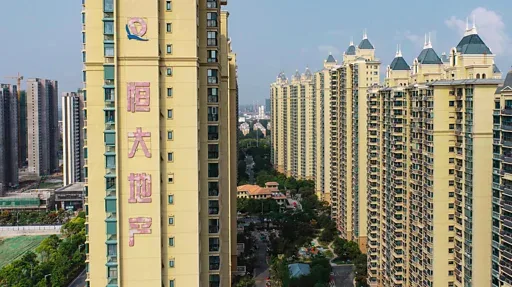
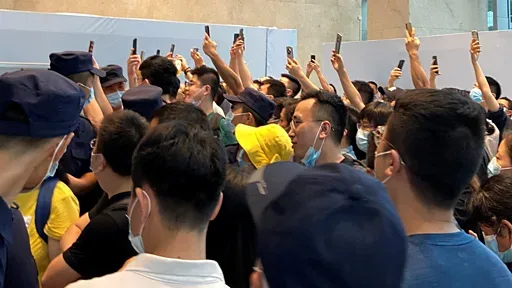
Evergrande was once China’s largest real estate company with a peak valuation exceeding 50 billion USD. Its debts swelled over 300 billion USD by its 2021 debt crisis, leading to forced liquidation rulings from Hong Kong and Shenzhen courts in 2024 [1, 2, 4, 6]. The collapse severely impacted the Chinese property market and broader economy.
Xu Jiayin founded Evergrande in Guangzhou in 1996 and rose to be Asia’s richest man by 2017, with a net worth estimated at 42.5 billion USD [1, 2, 4, 7, 6]. The company’s problems began after Beijing's 2020 "three red lines" policy aimed to curb excessive borrowing in the real estate sector [1, 2, 4].
The sentencing marks a final judicial reckoning for Evergrande’s top leadership. The court has imposed severe penalties on Xu and the company, while sentencing 56 others involved. The court’s ruling closes a chapter on a corporate saga that reshaped China’s real estate industry and financial markets.