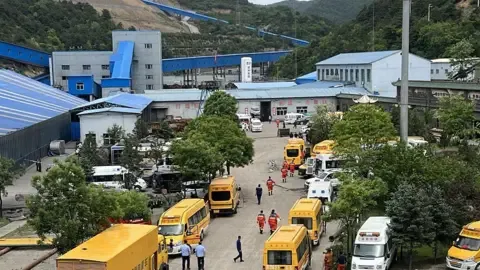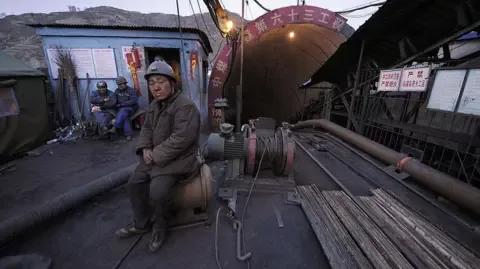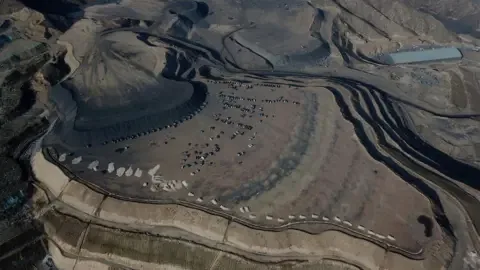
An explosion at the Liushenyu coal mine in Shanxi province, China, killed 82 workers and injured over 120 on May 22, 2026 [1, 2]. The high-methane mine has complex underground tunnels where survivors fear more miners may still be trapped inside. Chen, a former miner, said, "I feel there must still be miners inside. The tunnels underground are complicated and criss-crossed. There are hidden mine faces" [1].
Survivors described chaos after the blast. One said, “The explosion swept to the entrance and knocked all of us down. We could not see anyone; the dust was incredibly thick. After running for more than 10 minutes, my consciousness blurred. I was terrified” [1].
The blast is believed to have been caused by a buildup of methane gas or coal dust combined with an ignition source, though the exact cause remains unconfirmed [1, 2]. Human factors such as management failures, flaws in safety systems, and protocol violations often contribute to coal mine explosions [1, 2].
The mine is operated by Tongzhou Group, a private company found to have serious legal violations and multiple prior safety penalties [2]. On the day of the explosion, only about half of the underground workers were officially registered, and many miners did not wear mandatory tracking devices [2]. An anonymous worker said, "Wearing trackers would expose their actions," referring to illegal mining in unapproved seams [2].
Professor Hong Chen of Jiangnan University said, "Based on the coal mine safety management and technology system, I can very clearly say this accident should not have happened" and described China's ideal safety state as "The fewer people underground, the higher the safety; no people, absolute safety" [2].
Following the accident, authorities took control measures against Tongzhou Group's leadership and suspended operations at their other coal mines [2].
China's coal mining death rate has fallen by over 90% since 1990 due to safety reforms, regulation, and technology upgrades [2]. Yet China remains the world’s largest coal producer, with output at 4.8 million tons in 2024, over half the global total [2]. Despite green energy goals targeting a doubling of clean energy by 2035 and carbon neutrality by 2060, coal remains an energy security ballast stone [2].