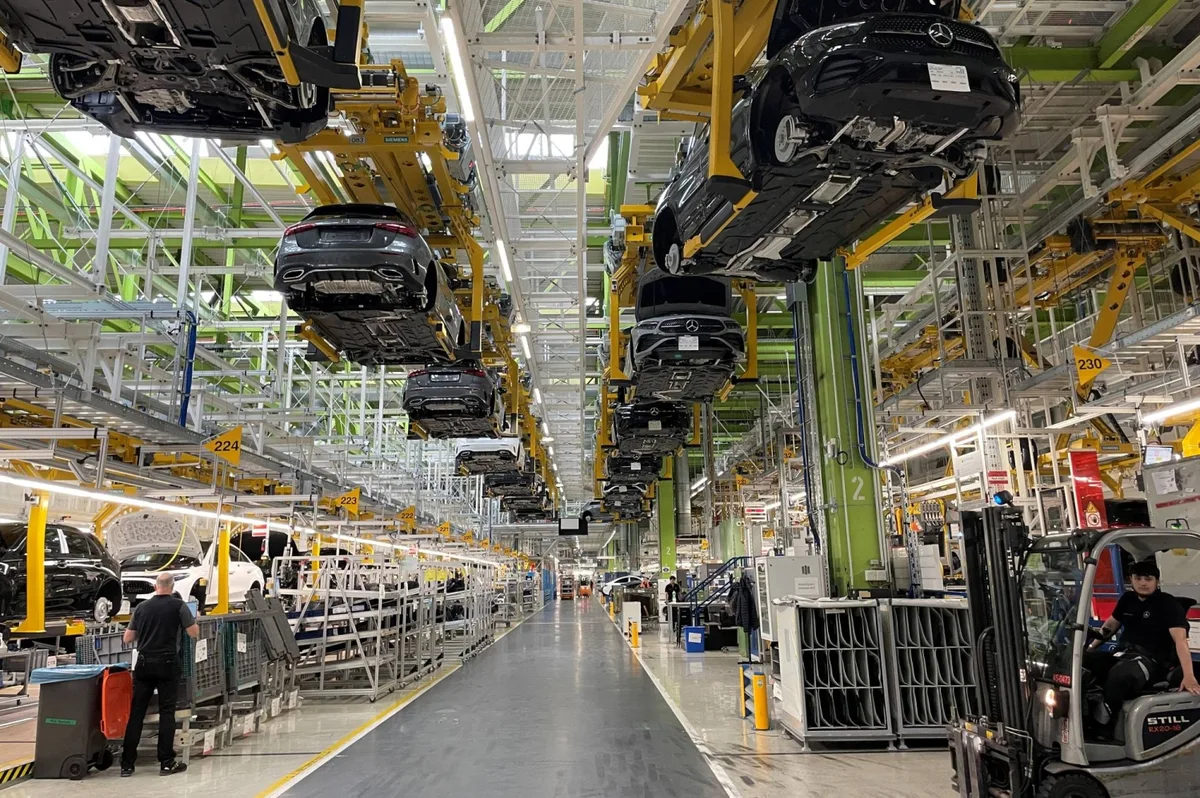
German carmakers face shrinking demand, growing Chinese competition, and shifts to electric vehicles that have left many European factories operating below capacity [1, 2]. To tackle idle plants, some suggest opening factories to Chinese manufacturers to produce cars within Europe, helping bypass EU electric vehicle tariffs [1, 2]. Chinese brands including BYD, MG, and Chery have grown their share of the European market to around 9% of total sales [1].
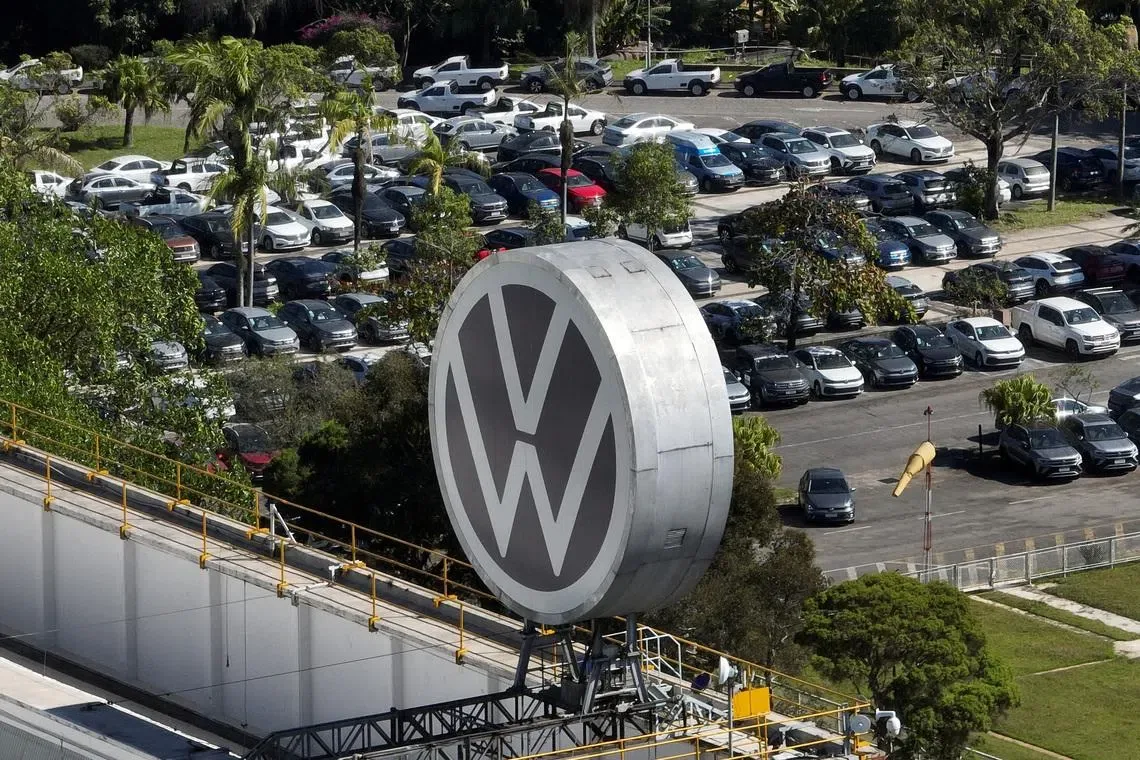
Volkswagen, Europe's largest automaker, plans to cut global production capacity by about one million vehicles, splitting the reduction roughly evenly between China and other regions, especially Europe [1]. The company held talks with Chinese carmakers in 2024 about possible partnerships for factory use, but those discussions ended without an agreement [1]. In April 2026, Volkswagen indicated openness to cooperating with Chinese manufacturers at some plants, but a spokesperson said today there are no plans or active talks to build Chinese vehicles in its German factories [1].
Some regional officials support bringing Chinese joint venture partners into Volkswagen's German operations to secure the future of the automotive industry [1]. Analysts note Chinese companies hesitate to expand production in Germany due to high costs [1]. In June 2026, speculation also arose about defense companies moving into idle European car plants as an alternative use of capacity [2].
Volkswagen and other German carmakers continue to seek solutions for underused plants amid evolving market conditions. Negotiations with Chinese firms may resume, but no concrete agreements have been reached. Automakers face pressure to balance cutting capacity without losing competitiveness.
The next potential development is whether Volkswagen or other manufacturers formalize partnerships with Chinese or defense sectors to use idle factories, with future announcements expected as production plans evolve.