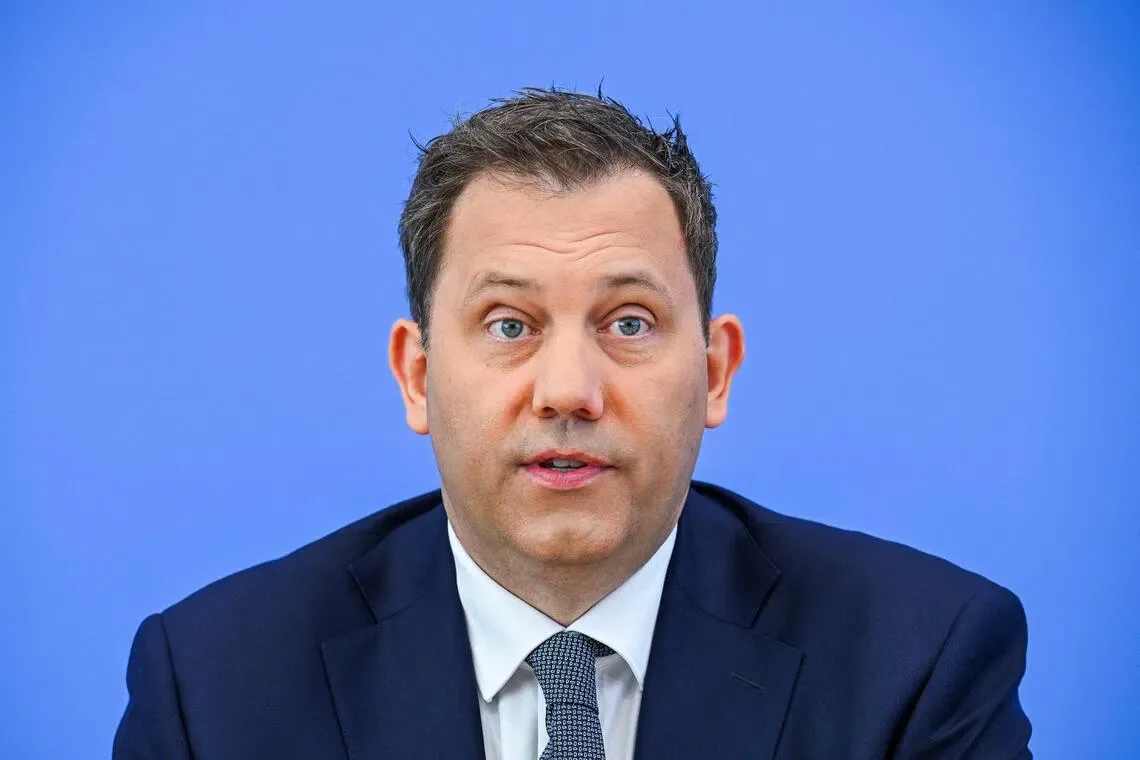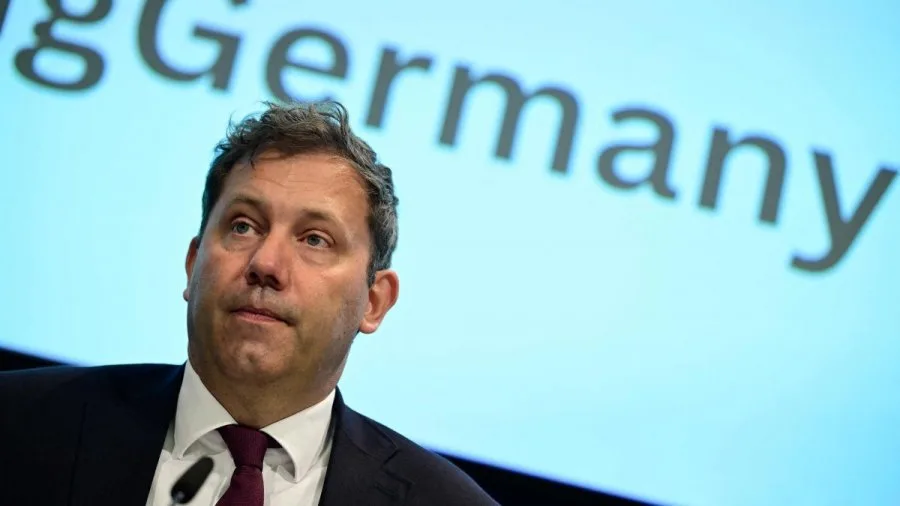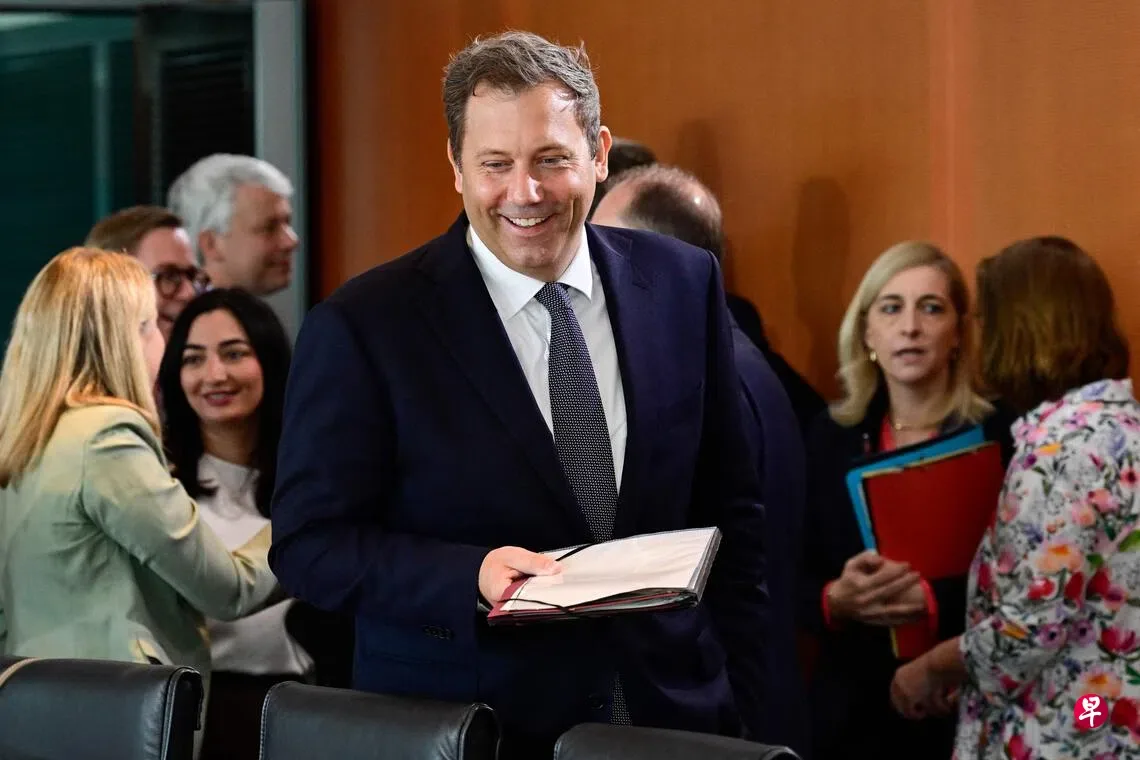
German Finance Minister and Social Democratic Party co-leader Lars Klingbeil accused China on August 20 of violating global trade standards, citing issues such as state subsidies, overcapacity, and forced joint ventures as breaches harming fair competition [1, 2, 3, 4, 5, 6]. "They’re not playing by the rules. Overcapacity, state subsidies, joint venture obligations – all these things. We simply have to do more in this regard," Klingbeil said in a campaign speech in eastern Germany [2].
Klingbeil emphasized that Germany, long calling for free trade, has been "on the sidelines with its calls for free trade even as Beijing bends the trade dynamic in its favour" [2]. He urged German industry sectors like steel and automotive to strengthen resilience to protect jobs and withstand competition from China [1, 2, 3, 4, 5, 6]. "We cannot slavishly maintain market openness while others outsmart us," he said, referencing comments he made earlier in February 2026 calling for a more muscular approach toward China [1, 2, 3, 4, 5].
The German chancellery under Chancellor Friedrich Merz reportedly supports Klingbeil’s tougher stance, with leaders agreeing on hardening policy toward Beijing [1, 2, 3, 4, 5, 6]. Berlin officials are working covertly to identify Chinese vulnerabilities to leverage in case the European Union enters a trade conflict with China [1, 2, 3, 4, 5].
The concern comes amid an EU daily trade deficit with China exceeding €1 billion, which prompted EU leaders in June 2026 to task the European Commission with preparing new trade defense measures against Beijing [2]. Klingbeil said he is "grateful that the chancellor now sees it this way too – and will be advocating this position in the chancellery" [2].
The German government’s next steps likely include finalizing strategy on trade defense tools alongside the European Commission as tensions build. The recent public remarks reinforce Germany’s shift toward a firmer negotiating posture with China.