Government bond yields soared across major economies on September 1 and 2, reaching levels not seen in decades amid ongoing geopolitical tensions and inflation worries. [1, 2]
In the UK, 30-year gilt yields jumped to 5.89%, their highest since 1998, while 10-year gilts climbed to 5.25%, the highest since 2008. [1] Meanwhile, Japanese 10-year government bond yields breached the 3% mark for the first time since 1996, driven by expectations of rate hikes from the Bank of Japan and aggressive fiscal stimulus plans proposed by Prime Minister Sanae Takaichi. [3, 2, 4, 5] The rise in Japanese yields coincided with a net sale of 3 trillion yen in overseas bonds by Japanese investors year-to-date through August 22, marking their largest repatriation outflow since 2022. [3, 6]
US Treasury yields also climbed sharply. The 10-year yield hit around 4.8%, the highest since early 2025, while 30-year yields approached 5.27%-5.28%, nearing pre-buyback levels despite the Treasury's bond buyback program designed to temper rises in long-term rates. [1, 2, 7, 5, 8] Bank of America’s Mark Cabana noted that investors are demanding higher compensation to hold long-dated bonds amid the sell-off. [7]
Other global markets followed the trend, with 10-year bond yields in Australia, Germany, and across the UK rallying to multi-year highs. [1, 9, 2, 7, 5] Rising yields have increased borrowing costs for consumers and governments globally, affecting mortgages, car loans, and public debt servicing. [10]
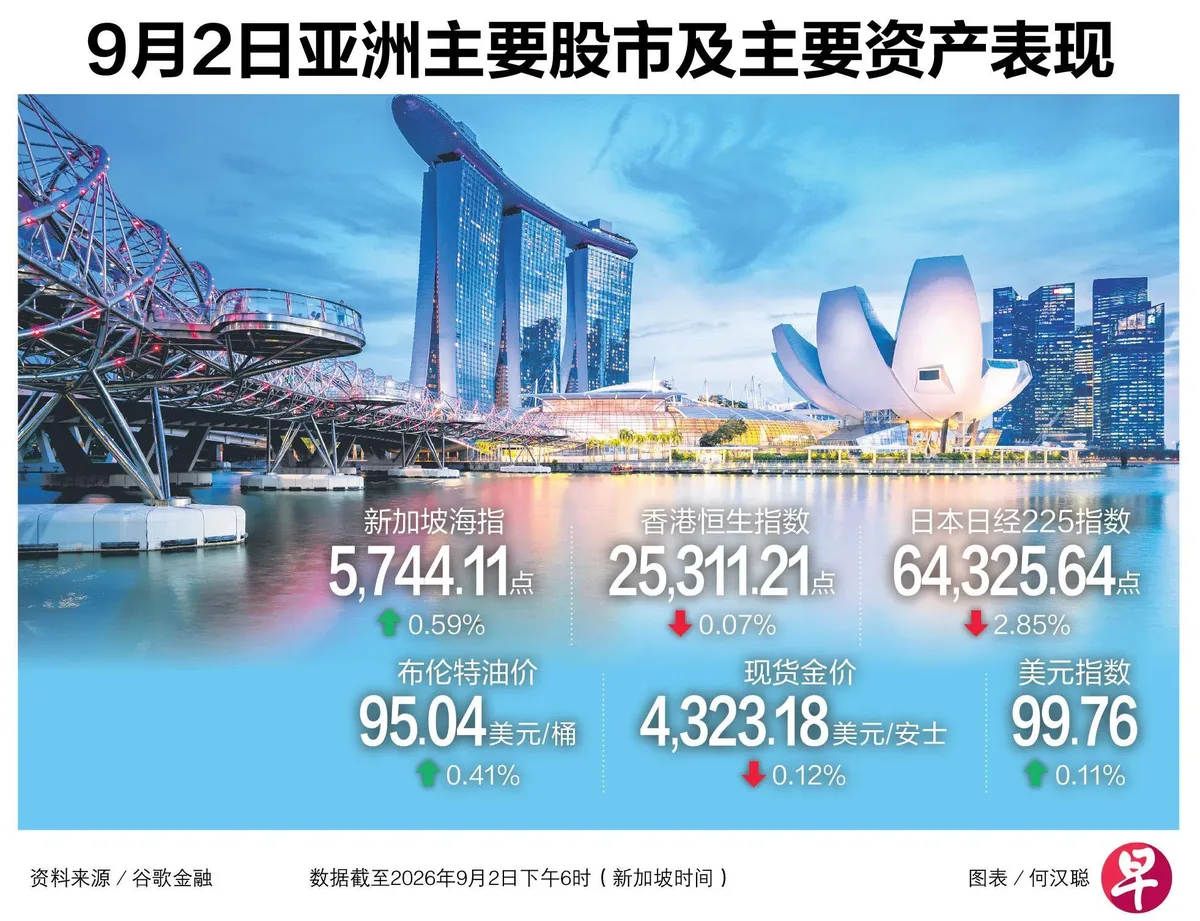
Oil prices pushed higher, trading near $92-$95 per barrel due to ongoing Middle East conflicts, adding to inflationary pressures. [1, 11, 5] The G20 finance ministers' recent meeting in North Carolina failed to deliver effective measures on US debt concerns, the Iran conflict, or inflation risks, disappointing markets further. [1, 8]
US Treasury Secretary Scott Bessent urged Japan to raise rates to strengthen the yen and curb inflation, stating, "I have information that the market doesn’t have, and it’s my belief that the Japanese government and the Bank of Japan will do the things that will lead to a stronger yen." [1, 2] Market observers also highlighted Japanese investors' shifting allocations back to domestic bonds after years of under-investment, with Tokyo-based fund manager Toshinobu Chiba saying, "It’s easy to buy the 10-year at above 3 per cent. Most of the lifers have a strong incentive to buy right now." [3, 6]
Higher bond yields have pressured stock markets, particularly tech shares, and depressed gold prices due to rising real yields and a stronger dollar. [9, 11, 10] Vantage Point's Nick Ferres warned that if governments or central banks intervene to lower borrowing costs through yield curve control or quantitative easing, gold could benefit. [9]
Japan faces a record government debt servicing cost projected at 36.6 trillion yen for the next fiscal year, raising worries about fiscal sustainability amid rising yields and stimulus spending. [2, 4, 5]
The global bond sell-off is ongoing, with markets closely watching for further central bank rate decisions and geopolitical developments in the Middle East. The next key events include upcoming Bank of Japan policy meetings and renewed assessments from the US Treasury on debt management.