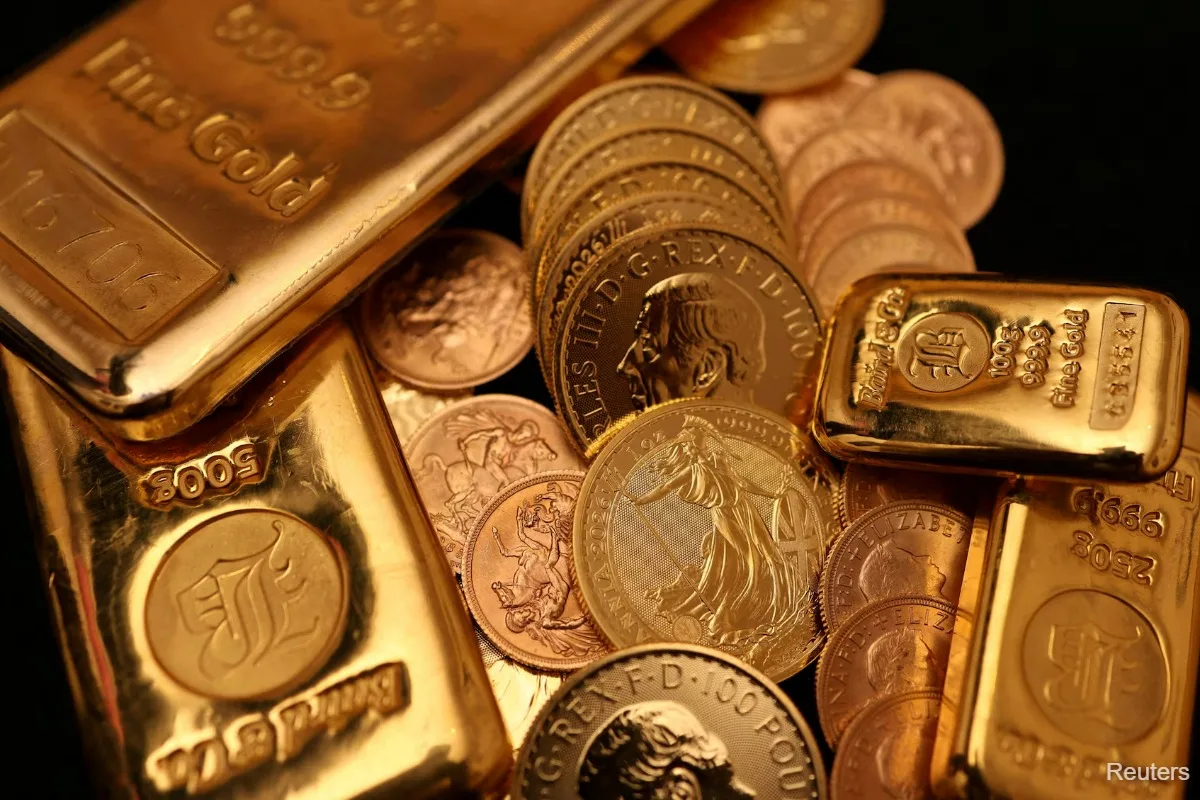
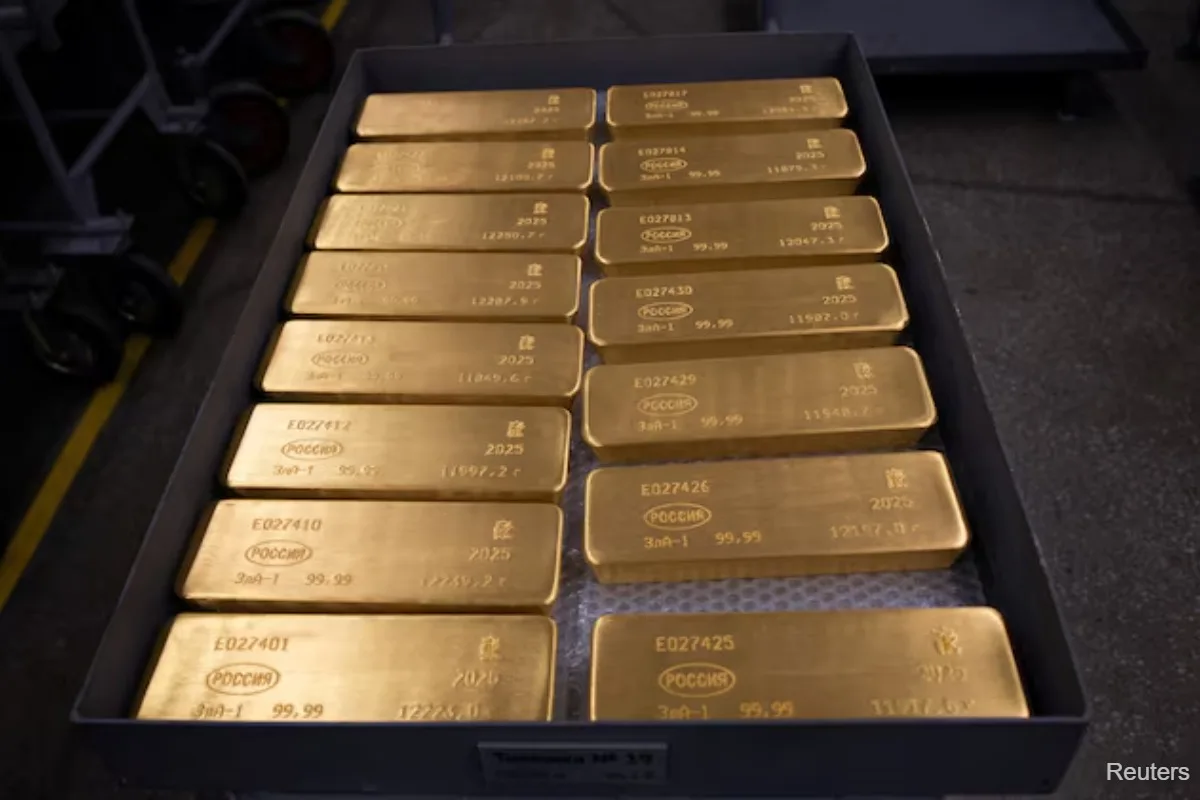
Gold prices climbed to a three-month peak above $4600 per ounce between August 21 and 24, reaching around $4636 to $4642 by August 26 as investors reacted to key market developments [1, 2, 3]. The US Treasury announced on August 19 it would double the size of buybacks for 10- to 30-year government bonds to at least $4 billion per operation to stabilize the bond market, reversing a spike in long-term yields [2, 4, 5, 6]. This move helped push down US 30-year Treasury yields from a mid-August high near 5.34%—a 20-year peak [1, 6, 7].
The combination of Treasury bond buybacks and a weakening US dollar sparked a sharp rise in gold, which surged more than 5% last week and posted monthly gains exceeding 10% [1, 2, 3, 8]. The dollar eased 0.12% on August 21 amid the bond market support measures, lifting gold’s appeal as a safe haven and portfolio diversifier in the face of geopolitical and policy uncertainty [4, 5, 7]. OCBC Wealth Advisory Head Chez Anbu said, "Gold remains an important source of portfolio diversification and a potential hedge against geopolitical risks, policy uncertainty and fiscal concerns. This is particularly relevant for Singapore-based investors whose portfolios are heavily concentrated in US dollar-denominated assets" [4].
However, gold prices softened slightly on August 26 to around $4642 per ounce as investors awaited the release of key July US inflation data and a highly anticipated speech by Federal Reserve Chair Kevin Warsh on August 28 [9, 10, 11]. Market watchers expect Warsh's speech at the Jackson Hole symposium to provide clues on the Fed’s future rate policy, which could sway gold prices. A dovish or balanced message might support gold by lowering real yields, while hawkish signals could pressure it [1, 2, 9, 8, 10, 11]. Wael Makarem, Financial Markets Strategist Lead at Exness, said, "The most supportive outcome would be softer-than-expected inflation combined with a dovish or balanced message from Warsh, reinforcing expectations for lower real yields and reducing the opportunity cost of holding a non-yielding asset" [9].
Other factors weighing on gold include rising US energy prices and inflation concerns, which may exert short-term pressure [6, 7]. Meanwhile, Poland’s central bank expanded its gold reserves to 20.6 million troy ounces by the end of July [3]. In equities, Singapore's STI index slipped due to weaker profit growth at shares like SATS, which fell 13.22% last week [4, 5].
Traders currently place over a 60% probability that the Federal Reserve will keep rates steady in September, reflecting caution ahead of upcoming data and speeches [9, 10, 11]. The market focus now shifts to Warsh’s Jackson Hole address on August 28, which could set the tone for gold prices and bond yields in the weeks ahead [1, 2, 3, 9, 8, 12, 10, 11].