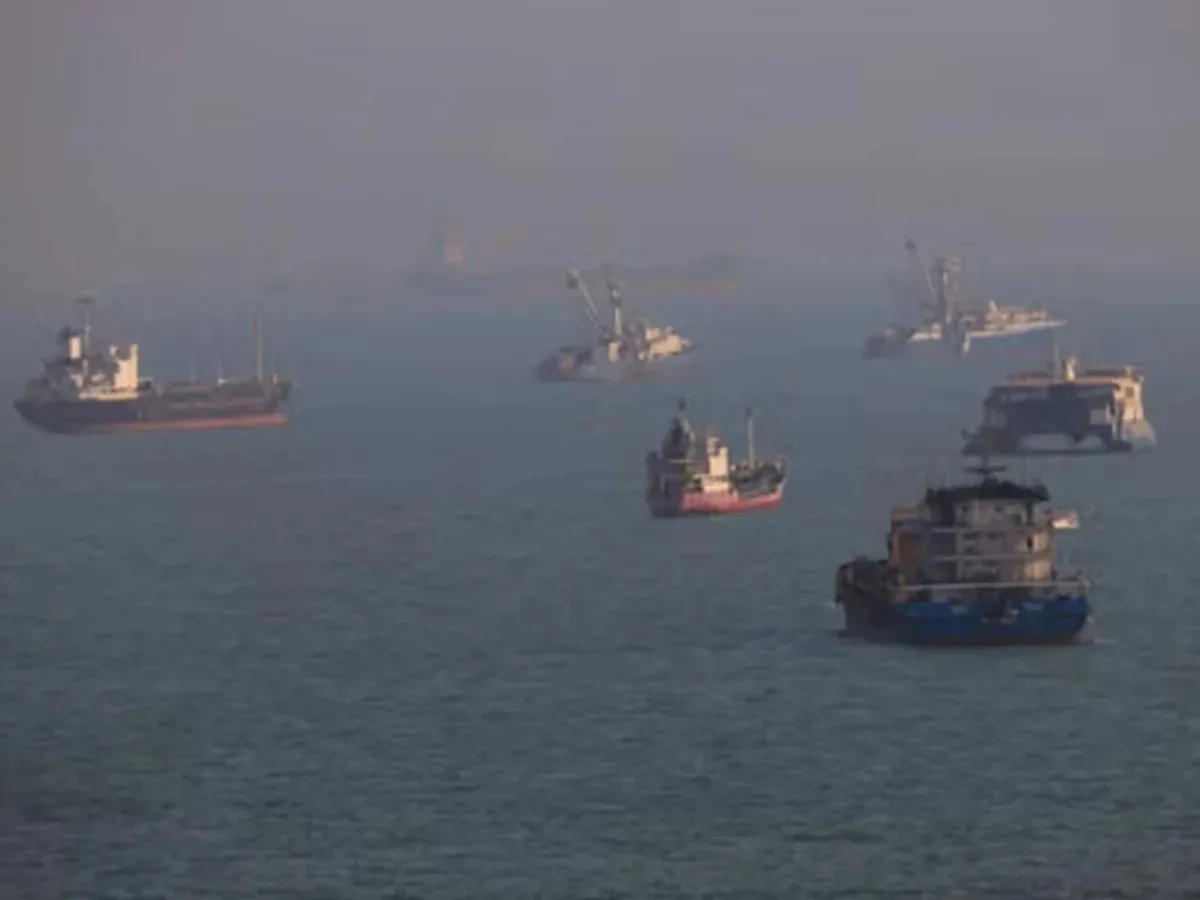
The Iran conflict has caused severe disruptions to oil shipments through the Strait of Hormuz, a vital chokepoint that previously handled about 20% of global oil supply [1, 2, 3, 4, 5, 6]. On August 10-11, only 6 to 8 ships passed through the strait each day, compared to the pre-conflict daily average of roughly 120 to 140 vessels [1, 2, 3, 7, 4]. This steep drop intensified global supply concerns.
Iran has tied reopening the shipping route to demands that the US lift sanctions, withdraw troops, and pay reparations for victims dating back 50 years [1, 2, 4, 5]. Iranian National Security Adviser Mohsen Rezaei, appointed in early August, said, “只要美國不改變行為並接受伊朗條件,荷姆茲海峽便不會重新開放,” meaning the Strait will remain closed unless US behavior changes [2, 3]. In response, the US insists Iran compensate American protesters and victims, echoing President Donald Trump’s statement demanding payments to families of those killed over five decades [1, 2, 5].
Due to the conflict, Middle East oil production averaged a shutdown of 5.5 million barrels per day in July 2026, rising to an expected 6.6 million barrels per day in the third quarter [1, 7]. Industry forecasts expect most production to recover by early 2027, but about 600,000 barrels per day are unlikely to return even by late 2027 [7].
International oil prices surged amid these supply constraints. Brent crude averaged $87 per barrel in 2026, up from previous $82 forecasts, reaching $88.91 on August 11 [1, 3, 7, 4, 5, 6]. Prices continued climbing to near $90 per barrel in early Asian trading on August 12 [8, 9]. US retail gasoline prices are also set to rise, averaging $3.78 per gallon in 2026, up from $3.64 forecasts, and expected to remain high into 2027 [1, 7, 5].
US stock markets reacted negatively to the geopolitical turmoil. On August 11, the Dow Jones fell 184 points and the Nasdaq dropped 159 points [1, 4, 5, 6]. Meanwhile, Taiwan’s stock market showed volatility tied to global tensions but closed higher at 45,120 points, driven in part by technology stocks like TSMC [1, 3, 4, 5, 6, 8, 9].
The US Strategic Petroleum Reserve hit its lowest level since 1983, dropping below 300 million barrels to 298.7 million as of August 10, about 42% of capacity [1, 5]. RBC Capital Markets’ Helima Croft warned that “global oil reserves are dangerously low,” risking further price spikes if inventories are not replenished [5].
US military forces actively blocked ships attempting access to Iranian ports, including a missile strike on the Panama-flagged cargo vessel Vela Nova in the Gulf of Oman on August 11 [2, 3, 4, 5]. These actions further intensified tensions amid stalled peace negotiations.
The geopolitical crisis has driven inflationary pressures worldwide, complicating Federal Reserve efforts to maintain a 2% inflation target. Analyst Patrick Munnelly noted that energy-driven inflation risks “weakening the Fed’s patience” even as labor market cooling offers some relief [5]. Other economies are also feeling strain; India’s central bank intervened to support the rupee amid rising oil import costs [9].
Next steps include ongoing US-Iran peace talks and monitoring oil price movements as August progresses. Markets will closely watch Iran’s conditions for reopening the Strait of Hormuz and any changes in Middle East oil production affecting global supply through 2027.