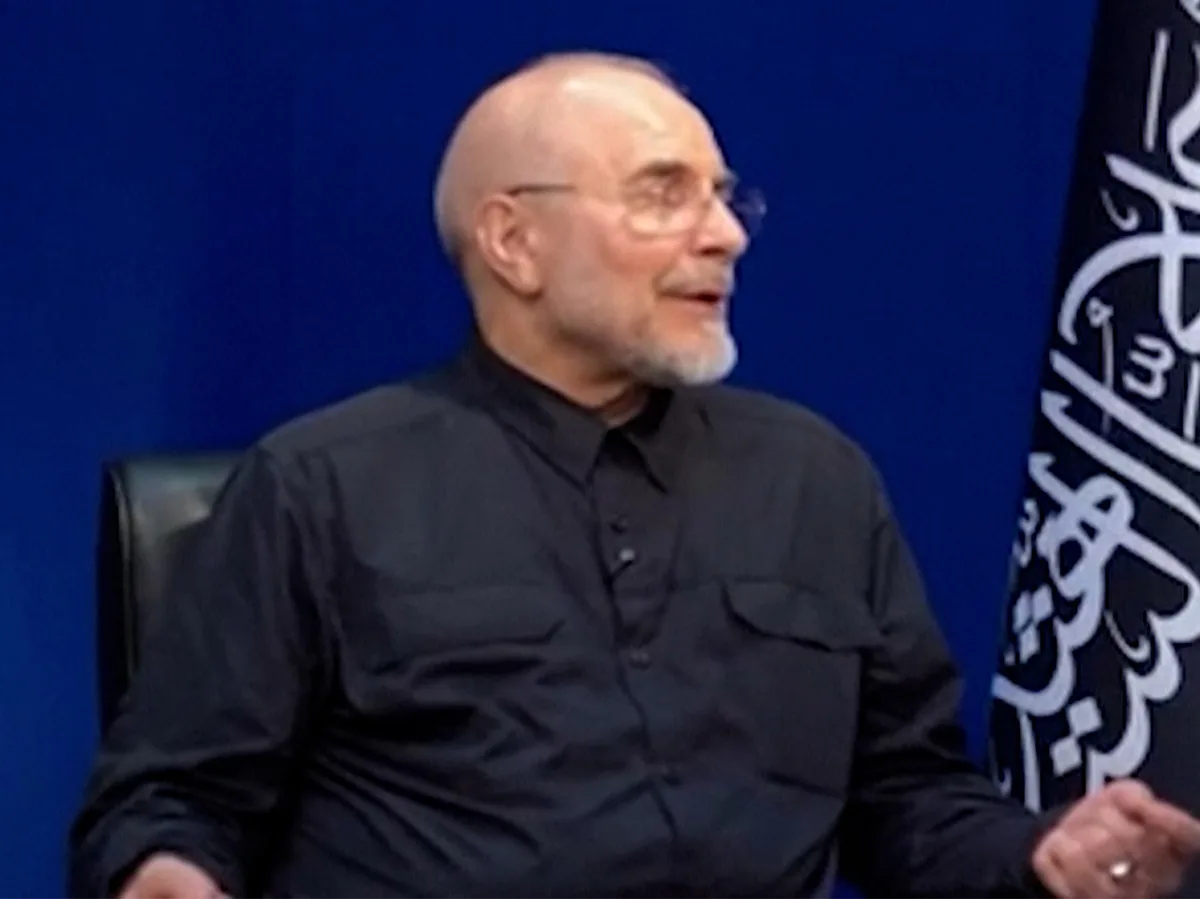
Iran’s chief negotiator Mohammad Bagher Ghalibaf confirmed that during the US blockade of Iranian ports, which lasted about 50 to 60 days, the country could not export a single barrel of oil. He stated, "相較之下,在此之前50至約60天封鎖期間,我們確實連一桶石油都無法出口" (Compared to before, during the 50 to approximately 60 day blockade, we indeed could not export a single barrel of oil) [1].
Since the lifting of the blockade, Iran has exported more than 40 million barrels of oil. Ghalibaf emphasized, "自封鎖解除當天一直到今天,我們已出口4000多萬桶石油" (From the day the blockade was lifted until today, we have exported over 40 million barrels) [2].
Following the easing of sanctions, Iran reportedly sells its oil at about a 20% premium over market prices, according to statements from Ghalibaf [3]. The country is also working on unfreezing approximately $12 billion in previously frozen funds. These funds are expected to improve Iran’s fiscal and foreign exchange liquidity [3].
The Strait of Hormuz, a critical route for Iran’s oil exports, currently offers a 60-day free passage period for international shipping. However, it remains uncertain whether fees will be charged once this free window ends [3].
The reopening of the Strait of Hormuz and the resumption of Iranian oil exports have contributed to downward pressure on global oil prices in mid-2026 [3, 2].
On June 30, Ghalibaf publicly confirmed the export stoppage during the blockade and the volume shipped since its end. The following day, reports emerged detailing the premium pricing on oil sales and efforts to unlock frozen assets [1, 3, 2].