Japan's core consumer price index (CPI) rose 1.8% year-on-year in July 2026, matching median forecasts and signaling accelerating inflation pressures [1, 2, 3, 4, 5, 6, 7]. This measure excludes volatile fresh food prices but includes energy-related items, reflecting persistent cost pressures [1, 2]. The broader core inflation gauge that also excludes fuel prices increased 1.9% year-on-year, underscoring sustained price rises beyond volatile components [1, 2, 3, 4, 5, 6, 7].
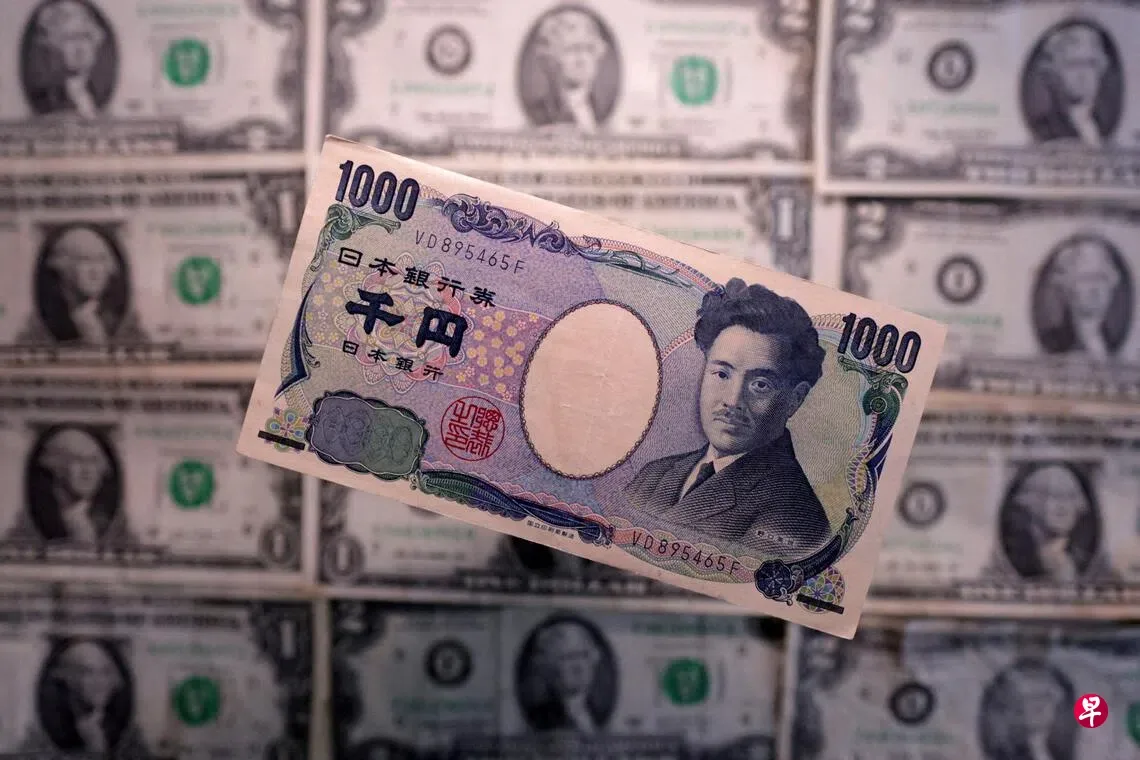
Wholesale inflation surged 7.2% in July year-on-year, driven in part by higher import costs linked to the US-Israeli war with Iran and the weakening yen [1, 2, 4, 5, 7]. The conflict in the Middle East and a weaker currency have pushed up crude oil and import prices, contributing to inflation [1, 2, 4, 5, 7]. Prime Minister Sanae Takaichi has introduced fuel and energy subsidies aimed at shielding consumers from these rising costs amid the regional tensions [5, 7]. However, these subsidies have also kept inflation below the Bank of Japan's 2% target for seven straight months [1, 2, 4].
Service-sector inflation rose to 1.2% in July from 1.1% in June, indicating that businesses are passing on higher labor costs to consumers [1, 2]. Japan's Q2 GDP growth slowed to 0.3% from 0.5% the previous quarter, showing slower economic momentum [5, 7].
The Bank of Japan raised its key interest rate to 1% in June, the highest in 31 years, and held it steady in July amid inflation pressures [1, 2]. Market consensus now expects the BOJ to raise its rate to 1.25% at its September 17-18 policy meeting [1, 2, 4]. Some analysts predict further hikes later this year after the initial increase [1, 2, 5, 7]. Economist Masato Koike said core inflation is likely to re-accelerate due to Middle East tensions pushing crude oil prices higher alongside yen weakness [1]. Bloomberg's Taro Kimura said July inflation figures strengthen views that BOJ will hike rates in October from 1% to 1.25% [7].
If the BOJ raises rates, it could strengthen the yen, which recently lost most gains after joint US-Japan market interventions to stabilize currency moves [5, 7]. The next key event is the BOJ's policy meeting scheduled for September 17-18, when it is expected to raise interest rates from 1% to 1.25%.