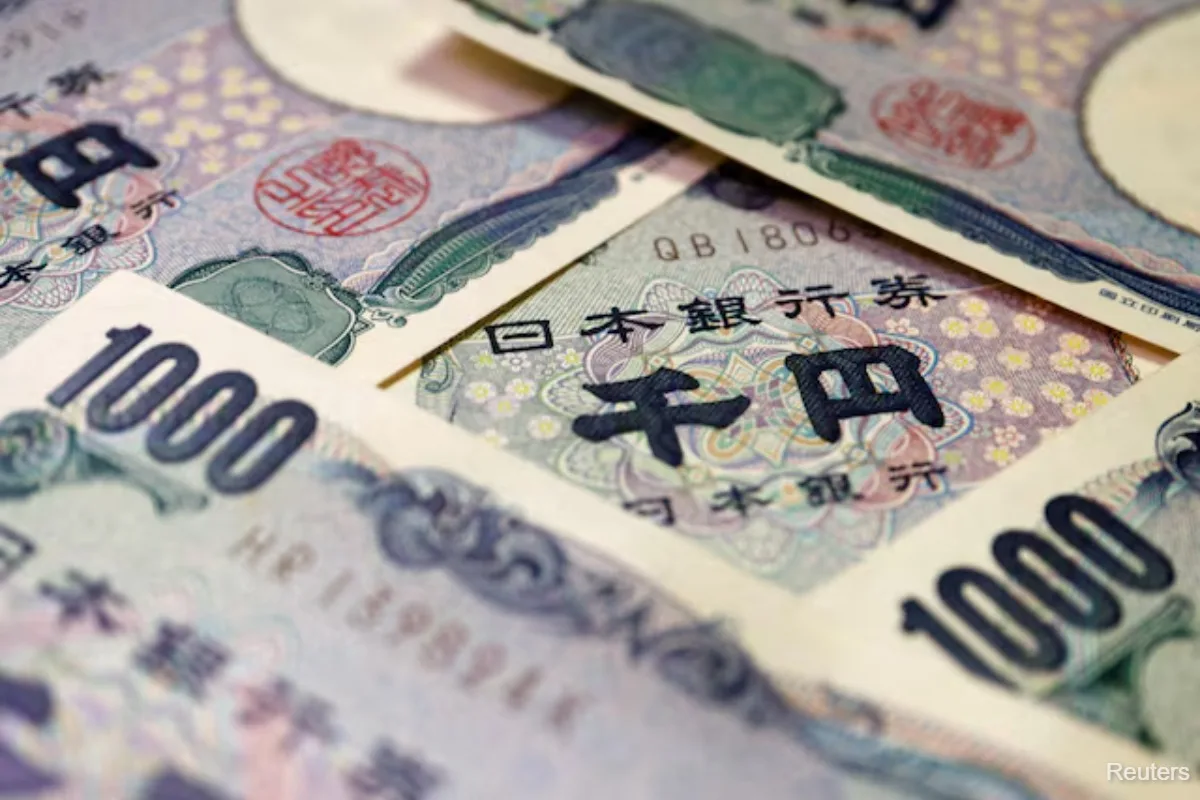
Japan's foreign reserves plunged by $79.6 billion, or 6.18%, to $1.208 trillion at the end of August 2026, marking the largest monthly drop ever recorded [1, 2, 3, 4, 5]. The decline was mainly driven by a sale of foreign securities, mostly US Treasurys, which make up about 70% of Japan's reserves [1, 2, 3, 6, 4, 5].
Between July 30 and August 26, Japan intervened in the currency market by spending a record 15.4 trillion yen (around $98.6 billion) buying yen and selling dollars to support its currency [1, 2, 3, 6, 4, 5]. The intervention helped the yen strengthen from near 164 per dollar in late July to as strong as 155.20 by August 3, before fluctuating and settling around 155 to 156 in early September [1, 2, 3, 4, 5].
Part of the intervention was carried out jointly with the United States, marking the first coordinated yen-dollar market action by the two countries since 2011 [1, 2, 6, 4, 5]. Japan’s Finance Minister Satsuki Katayama said Japan may use the Foreign and International Monetary Authorities Repo Facility—a Federal Reserve dollar liquidity backstop introduced during the COVID-19 pandemic—to support future interventions without having to sell US Treasurys, accessing up to $60 billion per day if needed [1, 2, 6, 4, 5].
Japan’s holdings of foreign securities dropped about $87.8 billion in August, nearly matching the intervention amount, indicating these sales primarily funded the currency purchases [6]. Price changes in 10-year US Treasurys were minimal, so valuation shifts did not explain the decline, and foreign currency deposits—a smaller intervention source—fell by $6.9 billion [6].
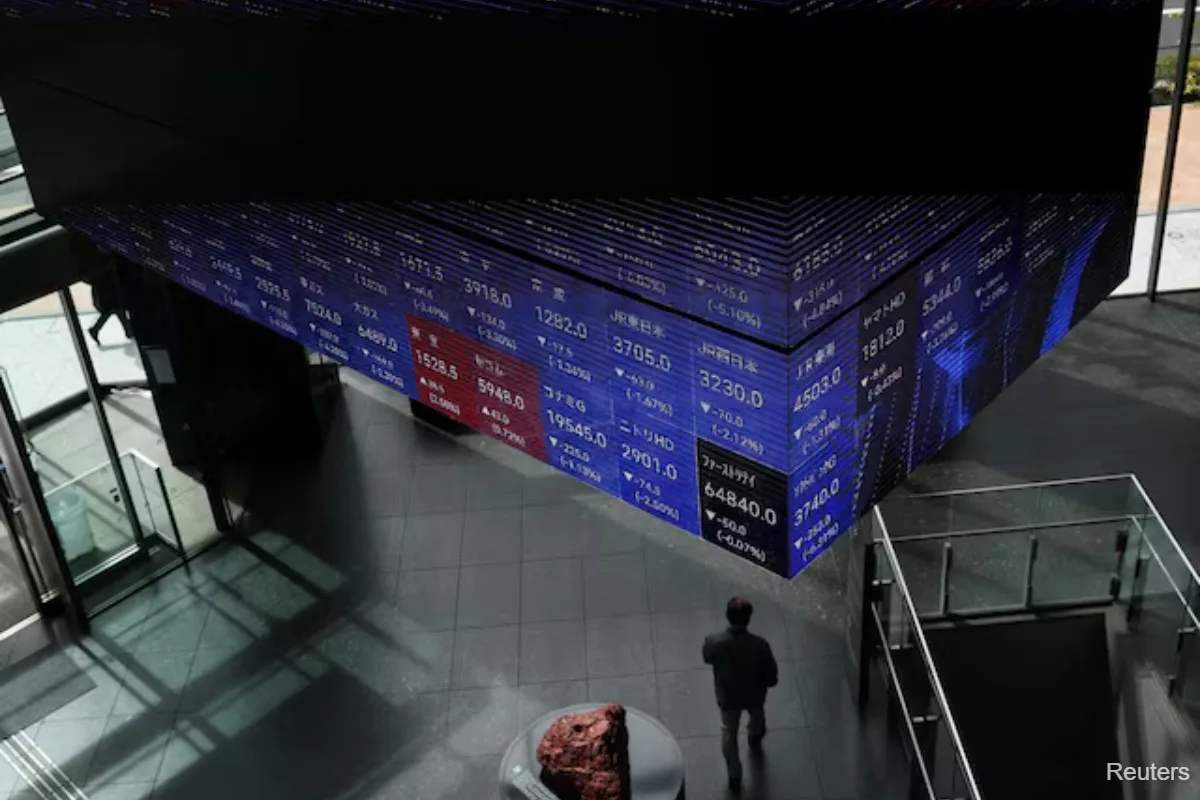
The intervention helped stabilize market volatility. Mamoru Shimode, Chief Strategist at Resona Asset Management, said that "US Treasury Secretary Scott Bessent seemingly curbing bond yields and stemming the fall of the yen, market volatility has fallen. That has made it easier for stock investors to shift to risk-on mode" [7]. Reflecting improved investor sentiment, Japan’s Nikkei stock index rose more than 2% on September 7, led by chip-related shares and tracking US gains, closing at 66,500.29 [7].