Opec reduced its forecast for 2026 global oil demand growth to 580,000 barrels per day, marking the fourth consecutive downward revision, according to reports on August 12 [1, 2]. In contrast, the International Energy Agency (IEA) expects 2026 global oil demand to decline by 1.6 million barrels per day, a sharper drop than last month’s 1 million b/d forecast [3, 4, 5, 2]. This divergence reflects differing views on the impact of ongoing geopolitical tensions.
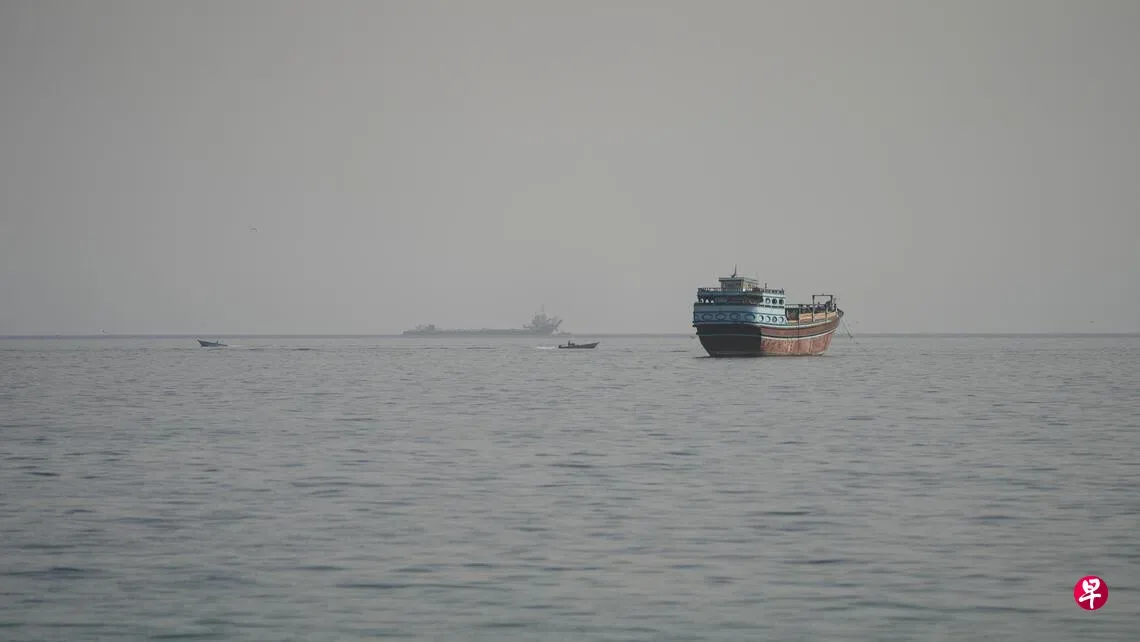
The IEA also projected that global oil supply will fall by about 4.3 million barrels per day in 2026 due to hostilities in the Middle East disrupting production and shipping [6, 4, 5]. Middle East oil output remains roughly 8.3 million barrels per day below pre-war levels as of July, according to the IEA [6]. The US-Iran conflict and the blockade of the Strait of Hormuz have severely constrained supply, with attacks disrupting shipping through both the Strait of Hormuz and Bab el-Mandeb Strait as of August 2026 [7, 6].
The US Energy Information Administration (EIA) forecasts a supply shortfall of about 600,000 barrels per day from Middle East production through the end of this year [7]. Elevated prices and supply constraints have suppressed fuel consumption globally, contributing to the downward revisions in demand forecasts by the IEA [3, 4, 5, 2]. The EIA expects Brent crude prices to average $86.81 per barrel in 2026, with a smaller decline in prices in 2027 than previously forecast [7]. Energy market analysts describe the current crude price environment as volatile, fluctuating between $70 and $90 per barrel amid geopolitical risks and weakening demand [2].
Shipping disruptions have also extended to global trade routes, with Panama Canal operators reporting congestion and backlogs as vessels reroute due to the Middle East crisis [7]. Former US President Donald Trump stated publicly on August 13 that the US military “completely controls” the Strait of Hormuz and views Iranian military capabilities as broken [2]. Oil prices dropped sharply following the release of these revised demand forecasts and ongoing uncertainties [2].
Opec said it expects oil demand growth to increase again in 2027 compared to 2026, though the market remains constrained in the near term [1]. The EIA’s August Short-Term Energy Outlook projected the Middle East oil supply deficit through year-end on August 11 [7]. The next significant update on global oil demand and supply forecasts is expected with upcoming agency monthly reports.