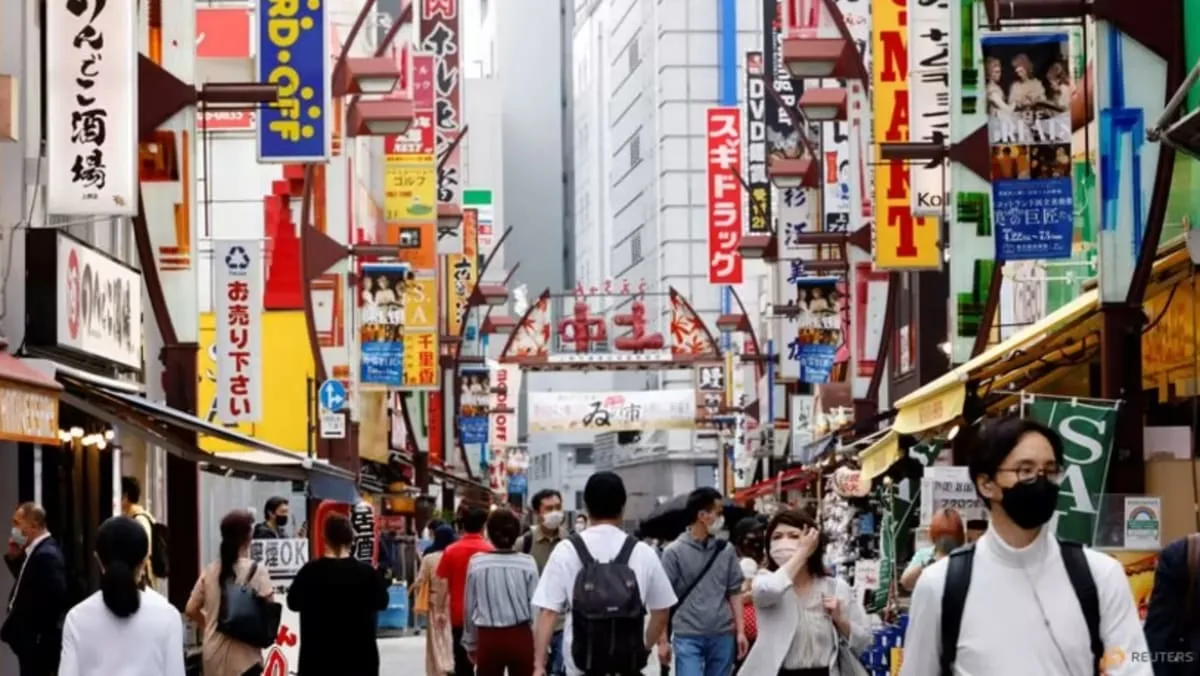
Japan’s government reported on July 10 that over 70% of accommodation facilities are experiencing labor shortages amid a surge in tourism [1, 2, 3]. A survey conducted from December 2025 to January 2026 covering 522 facilities found 72.2% faced staff shortages [1, 3].
Midsize accommodations with annual sales between ¥100 million and ¥1 billion are most impacted, with 77.1% reporting understaffing [3]. More than 90% of these midsize businesses have fewer than 100 employees, and nearly half operate with fewer than 30 staff members, limiting capacity to handle rising tourist demand [3].
The labor shortfall increases workloads during peak seasons for 79.3% of facilities and leads to higher costs and longer times for recruitment in 50.4% of cases. About 40.6% of accommodations have cut back services due to staff shortages [3]. Low wages and limited days off were cited as major reasons deterring workers from the accommodation industry [3].
To ease shortages temporarily, many operators have hired foreign nationals and part-time workers, but experts say fundamental reforms are needed [3]. The government encourages greater investment in technology, such as self check-in systems and delivery robots, to boost efficiency [1, 2].
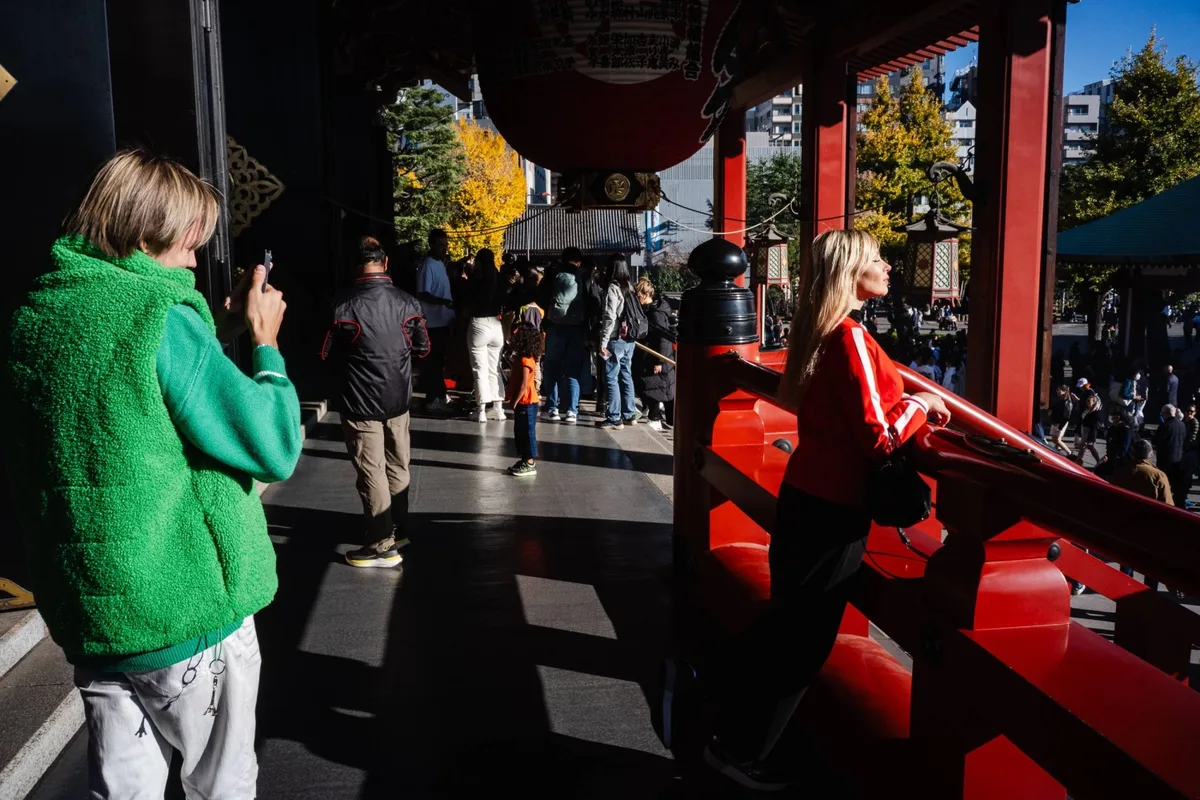
Japan welcomed 42.68 million foreign visitors in 2025, surpassing 40 million for the first time. The government aims to increase inbound tourists to 60 million by 2030 [2, 3]. In 2024, Japan ranked ninth globally for the number of foreign travelers and eighth for tourism revenue [3].
The Japan Times highlighted that ‘‘solving the issue is crucial to develop sustainable tourism as Japan’s strategic industry’’ [3]. The next major government report on tourism is expected to monitor progress on labor and technology adoption throughout 2026.