South Korea announced a record 2027 budget proposal of about 821 trillion won (around US$597 billion), marking a historic 12.8% increase from 2026, the largest year-on-year rise in its history [1, 2, 3, 4, 5, 6, 7]. The government plans to focus funding on reinforcing the country’s technological edge in artificial intelligence, semiconductors, and strategic defense programs including nuclear-powered submarines [1, 2, 4, 5, 6, 7].
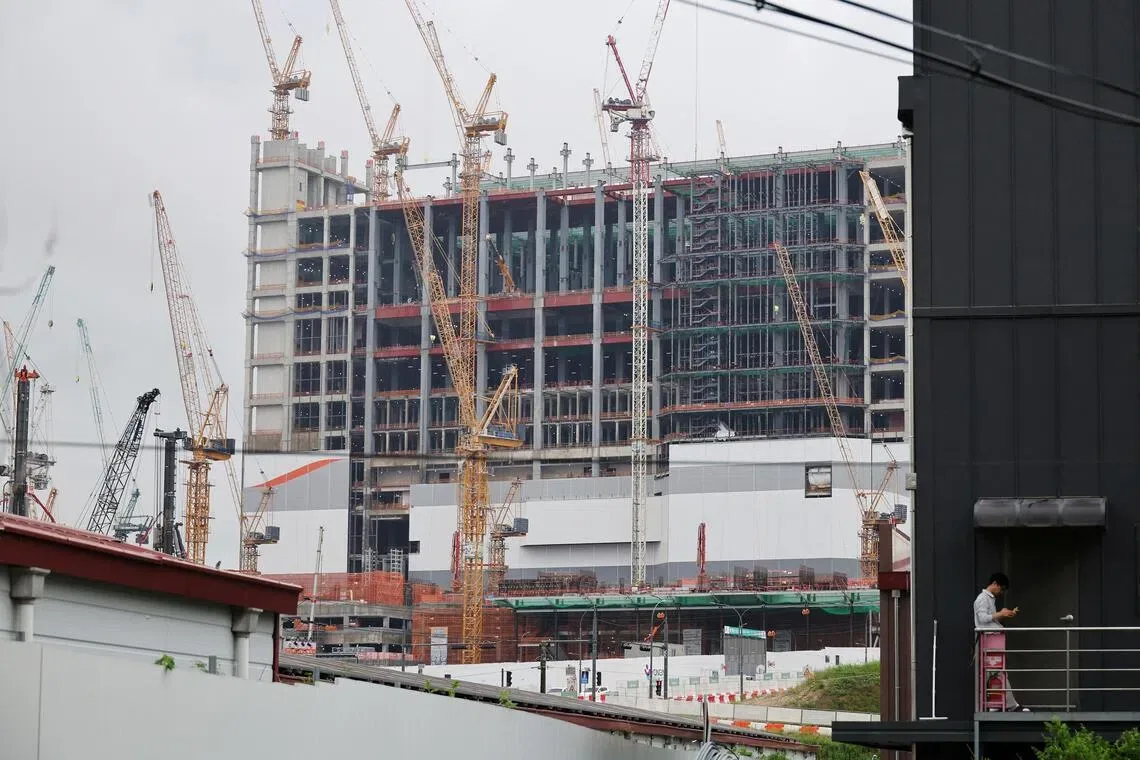
Total tax revenues for 2027 are projected to rise sharply by 40.7% to roughly 584.4 trillion won. This surge is driven by booming semiconductor profits from major companies such as Samsung Electronics and SK Hynix [1, 2, 3]. Corporate tax receipts alone are expected to more than double to 216.7 trillion won [1, 2, 3].
The government forecasts a reduction in the debt-to-GDP ratio from 51.6% in 2026 to about 48.3% in 2027, a decline of 3.3 percentage points [1, 2, 3, 6]. Government bond sales will slightly decrease to 222.8 trillion won compared to 225.7 trillion won in 2026, while net bond issuance will fall by 13.1 trillion won to 96.3 trillion won. Analyst Kong Dong-rak noted it would have been preferable for the government to cut bond sales more but welcomed the reduced net issuance as a stabilizing factor for the local debt market [2].
The budget allocates special funds including 2.6 trillion won for the semiconductor sector and 3.4 trillion won for nuclear-powered submarines and other strategic weapons [1, 4]. Excess tax revenue of 162.3 trillion won is planned to be used to create a Future Response Fund, which will support youth programs, growth engines, regional development, education, and talent cultivation [5, 7].
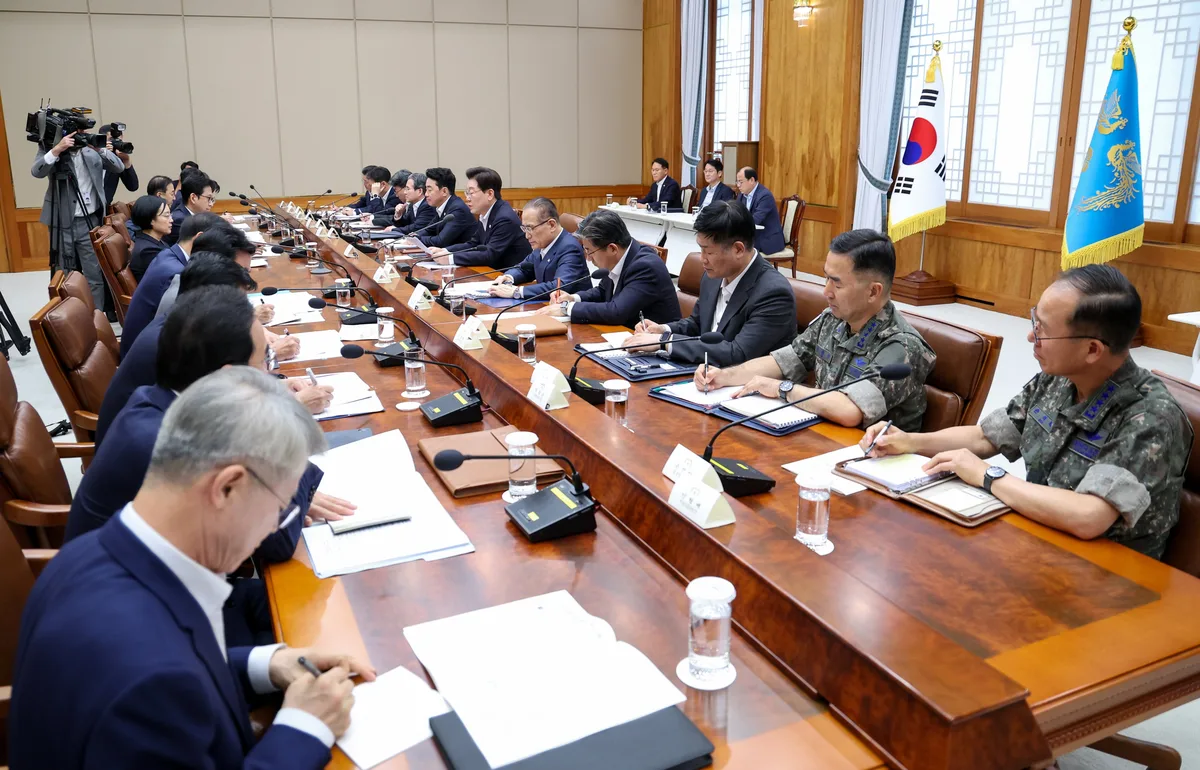
Budget Minister Park Hong-keun said the government would deploy fiscal resources "preemptively and expansively," relying on increased tax revenues in 2026 and 2027. He added the spending growth rate will gradually stabilize by 2030 to around 5% after this years’ significant expansion [1].
President Lee Jae-myung warned that an interest rate rise is inevitable, posing risks to growth potential and negatively impacting socially disadvantaged groups facing higher borrowing costs [1, 6].
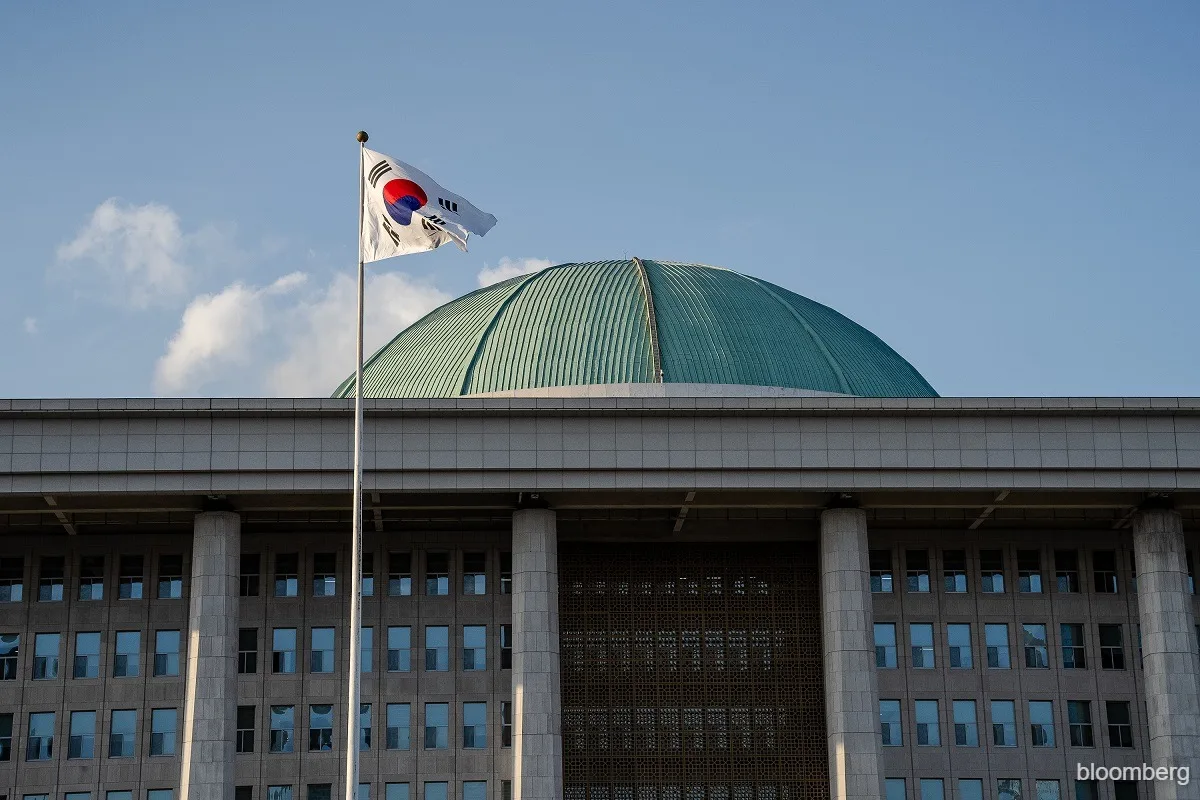
The 2027 budget proposal will be formally submitted to South Korea’s National Assembly by September 3 for review. Final parliamentary approval is expected by December 2 [1, 4, 5, 7].