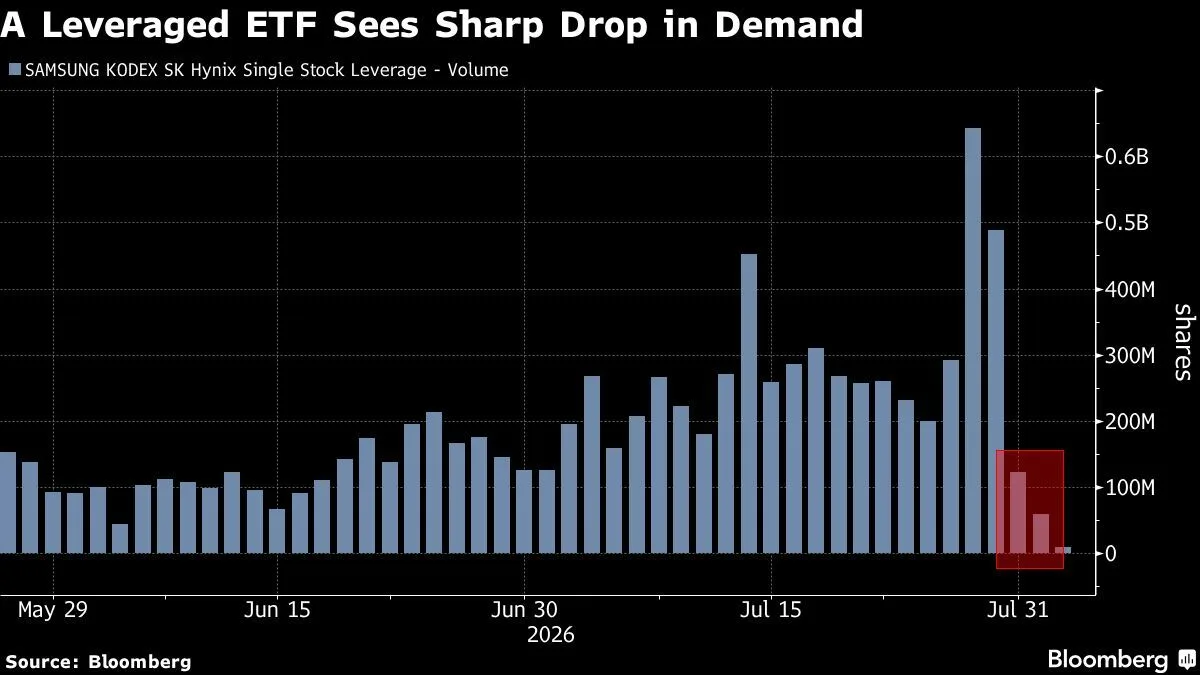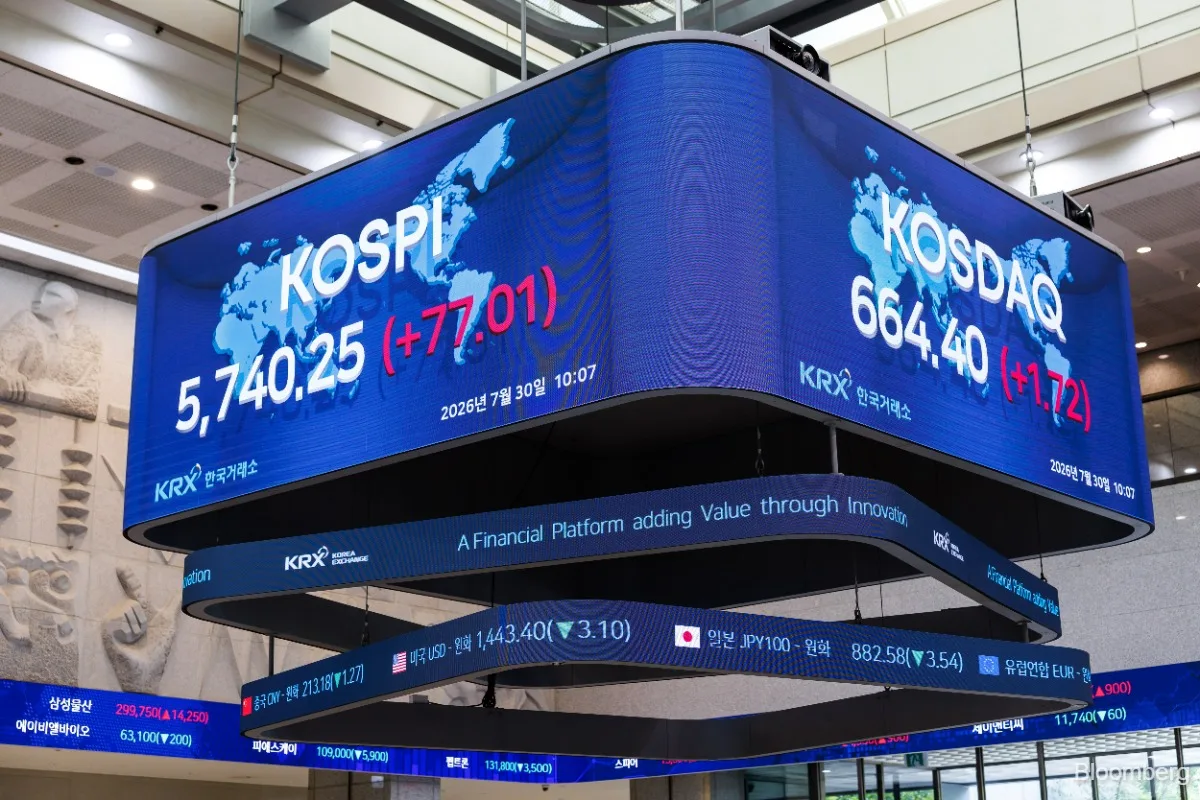
Trading volume for single-stock leveraged ETFs tied to South Korea's top chipmakers SK Hynix and Samsung Electronics plunged after regulators tightened trading rules [1, 2, 3]. The Kodex leveraged ETF tracking SK Hynix dropped to 59 million shares traded on August 3, marking its lowest level since June 4 [1, 2, 3]. The smaller leveraged ETF linked to Samsung Electronics also hit its lowest volume since late May [1, 2, 3].
On July 31, 2026, South Korean regulators increased the minimum cash deposit required for leveraged ETF trading from 10 million won to 30 million won, approximately US$21,065 [1, 3]. They simultaneously suspended new listings of single-stock leveraged ETFs until market conditions stabilize [1, 4, 3].
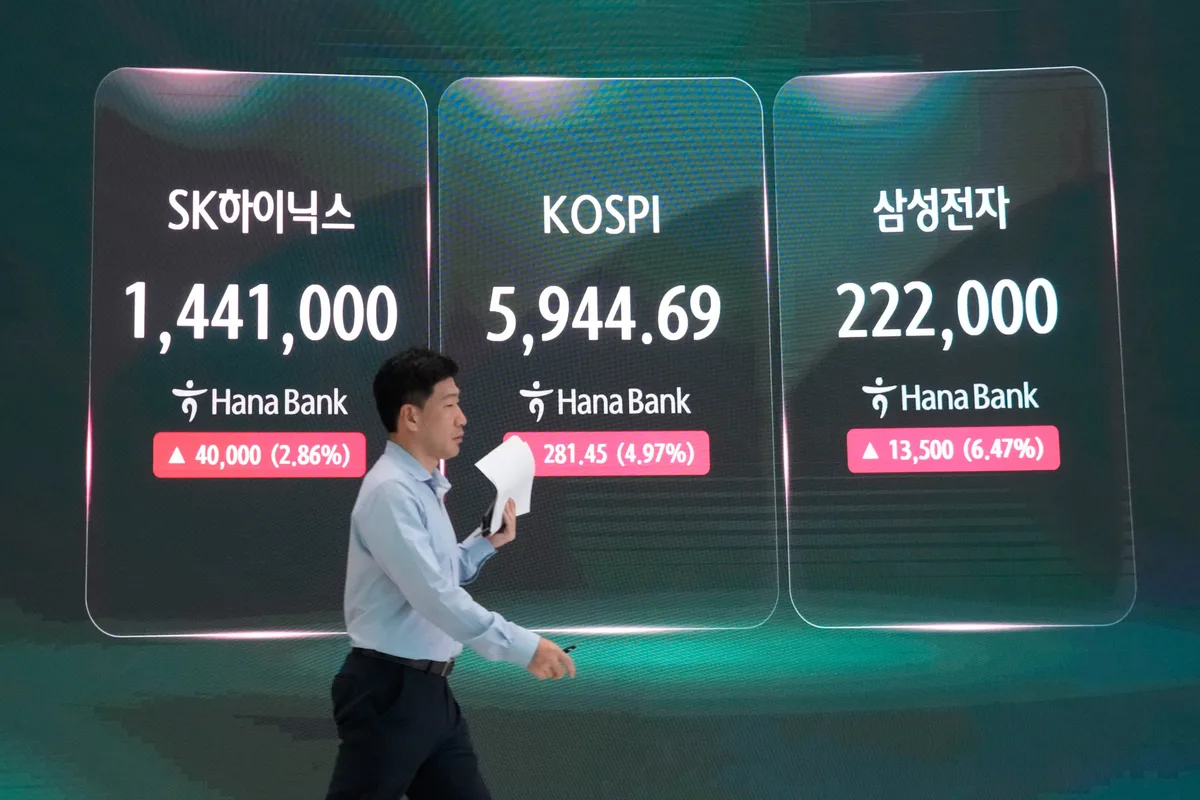
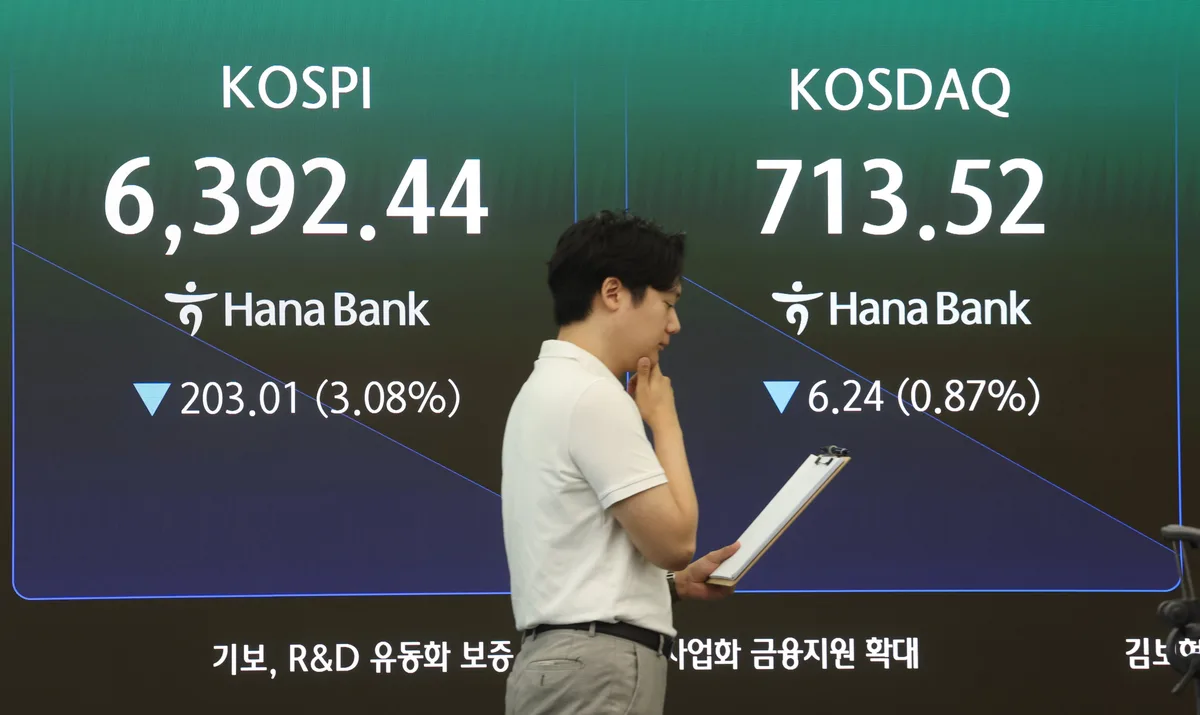
Leveraged ETFs, which use derivatives to amplify returns, had triggered a retail trading frenzy and raised market volatility in South Korea [1, 4, 3]. The Kospi Index surged about 48% year to date in 2026 but experienced extreme volatility, causing circuit breakers to trigger four times in July [1, 3]. Many retail investors holding leveraged ETFs tied to semiconductor stocks suffered steep losses after sharp share price drops following record highs in June [4].
Investors remain free to sell existing leveraged ETF holdings but encounter higher cash requirements on new purchases, effectively ending speculative retail leverage trading. Peter Park, Korea equity sales associate at NH Investment & Securities, said, "Speculative leverage froth in major tech names is neutralised from both the upside and downside. Because investors can sell existing holdings without restrictions but face high cash barriers for new buys, speculative retail leverage churn has effectively ended" [1].
Regulators are considering further curbs, such as lowering leverage ratios on single-stock leveraged ETFs, to protect retail investors from excessive risk [4]. The near-term outlook will depend on market stability and regulatory assessments. For now, trading volumes remain suppressed after the July 31 policy changes [1, 2, 3].