SpaceX began public trading today, excluding investors from mainland China and Hong Kong from participating in its initial public offering (IPO) starting September 2, 2026 [1, 2]. OpenAI is expected to impose similar restrictions barring investors from those regions in its planned IPO later this year [1, 2]. The decision marks one of the first times major U.S. IPOs have formally excluded Chinese investors, who have long faced barriers in sensitive sectors through private investments [1, 2].
OpenAI had already barred Chinese investors from participating in its private fundraising rounds prior to the IPO plans [1, 2]. Both companies maintain significant business ties with the U.S. government. SpaceX earned approximately $4 billion in revenue from government contracts last year [2]. This close relationship may be a factor in their reluctance to accept Chinese investment.
Han Lin, director for Asia Group and former Wells Fargo banker in China, said the restrictions "reflect a broader trend among American technology and AI companies, many of which have become increasingly reluctant to accept Chinese investment, driven by concerns over national security, intellectual property protection and data governance" [1]. Echoing that, 林汉昇, an Asian group lead and ex-banker in China, described the restrictions as part of a larger pattern of U.S. companies withholding Chinese capital due to similar concerns [2].
The U.S. government has increased scrutiny on Chinese investments through mechanisms like the Committee on Foreign Investment in the United States (CFIUS) and blacklists targeting companies with military ties [2]. However, industry sources indicate that SpaceX and OpenAI's decisions appear voluntary rather than compelled by direct government mandate [2].
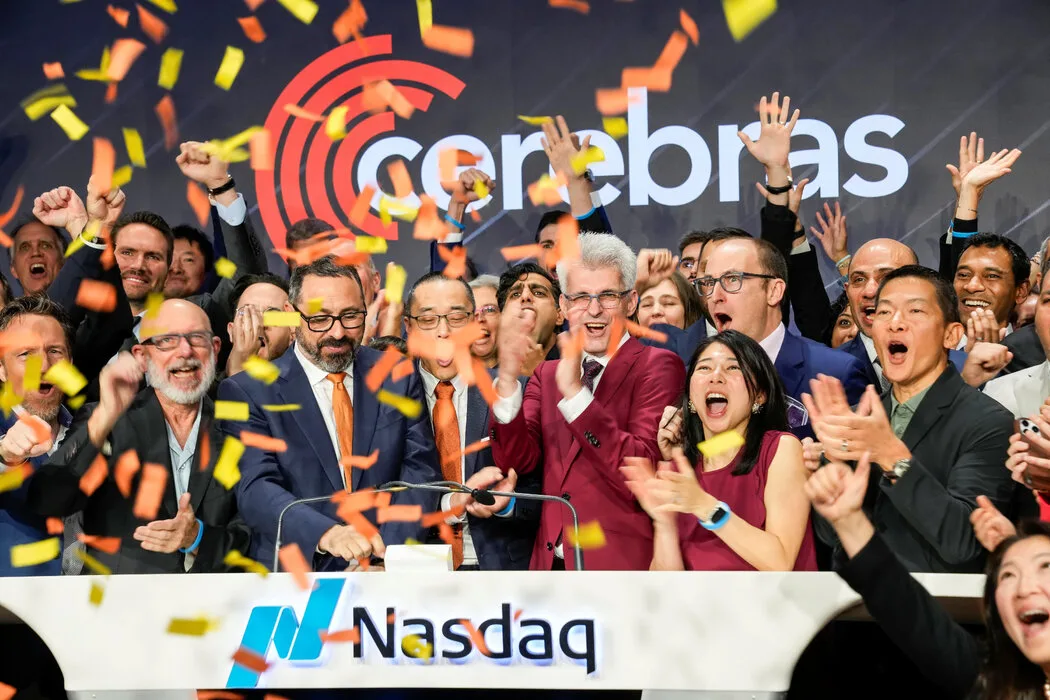
In contrast, Chinese investors were allowed to participate in the May 2026 IPO of Cerebras, a U.S.-based AI chip maker [1, 2]. But Beijing has tightened capital export controls as of August 2026, introducing more stringent screening for companies seeking overseas expansion in strategic areas [1].
Aaron Batnick, former White House technology policy official, said these actions signal "not only a clear message of trade decoupling, but also the clear message of technology and capital decoupling between the U.S. and China" [2].
The exclusion of Chinese investors from SpaceX's IPO took effect today, and OpenAI's offering later this year will test the trend further as investors await its final rules [1, 2].