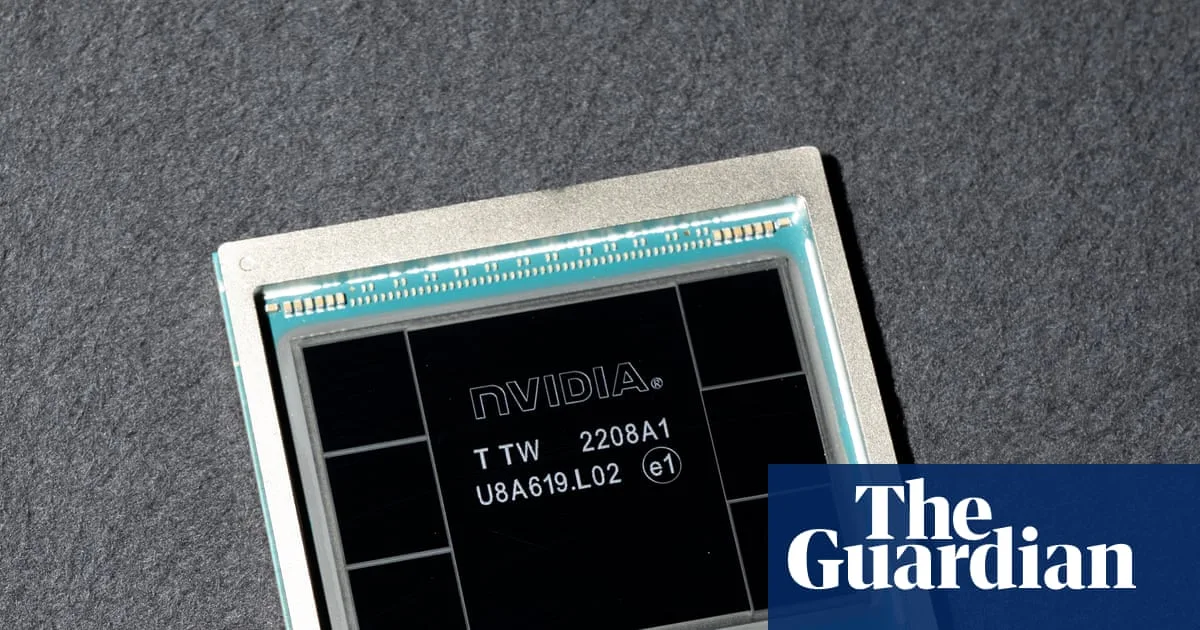
Taiwan prosecutors indicted nine individuals, including one Nvidia employee and two from Super Micro, for allegedly illegally exporting high-end AI servers to China on August 24, 2026 [1, 2, 3, 4, 5]. The servers contained Nvidia chips that have been under US export controls since 2022, restricting shipments to China [1, 2, 3, 4, 5].
The defendants were accused of knowingly violating strict internal export controls at Nvidia and Super Micro to generate enormous profits, prosecutors said [1, 2, 3]. Three of those indicted face embezzlement charges, while eight are charged with breach of trust and document forgery [5]. Prosecutors are seeking maximum prison sentences of up to five years for several defendants [4, 5].
Seventy-four servers were successfully shipped to China. Of those, 50 were sent via Indonesia, 16 were exported directly, and 8 passed through Japan and Hong Kong [4, 5]. Another 56 servers were intercepted and remain in Taiwan after a failed export attempt [4, 5].
Nvidia and Super Micro have not been accused of wrongdoing in the case. Nvidia spokesperson Patrick Rutherford said, "We will work with the Taiwan authorities to help them resolve the allegations as quickly as possible" [4]. A Super Micro spokesperson added, "The Company continues to cooperate with Taiwan authorities, is not a target of their investigation and has not been accused of any wrongdoing" [5].
Taiwan’s crackdown on illegal exports comes amid tightened export controls aimed at preventing Taiwan-made advanced technology from reaching China, which claims the self-governing island as its territory [1, 2, 3, 5]. Prosecutors noted that the illegal shipments have damaged Taiwan’s international image and increased corporate compliance costs [1, 2, 3, 5].
The case highlights ongoing enforcement efforts targeting evasion of US and Taiwanese export restrictions on AI technology shipments to China. The indictments set the stage for a court process expected to determine penalties for the individuals involved.