Tokyo's consumer price index (CPI) excluding fresh food increased 1.9% in July compared to the same month last year, surpassing economists' forecasts of 1.7% to 1.8% growth [1, 2, 3]. When excluding both fresh food and energy, Tokyo's core-core CPI rose 2% year-on-year, while the overall CPI in the city also climbed 2% during July [1, 2, 3].
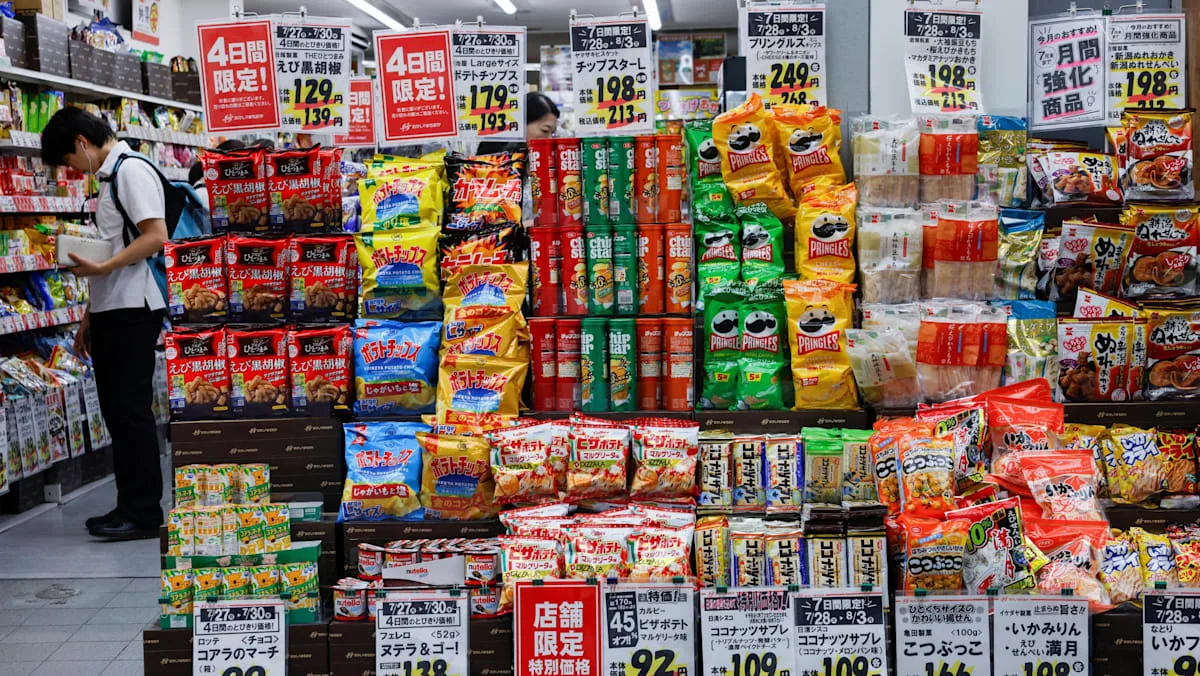
The inflation acceleration in Tokyo is primarily driven by rising prices in food and daily goods, contributing to the higher-than-expected readings [2]. Tokyo's CPI is often viewed as a bellwether for nationwide inflation trends in Japan, highlighting the broader pressure on consumer prices across the country [1, 3].
The Bank of Japan (BOJ) is widely expected to maintain its policy interest rate at 1% in its upcoming meeting, reflecting a cautious approach despite the inflation rise [1, 2, 3]. However, the stronger core inflation figures may bolster market confidence that the BOJ can sustainably achieve its 2% inflation target, increasing speculation about future rate hikes [3].
On July 31, Japan’s internal affairs and general affairs ministries released data confirming the 1.9% year-on-year rise in Tokyo’s core CPI excluding fresh food, which outpaced the median market expectation of 1.7% [1, 2]. The Bank of Japan is scheduled to announce its interest rate decision shortly, with the market anticipating no change at 1% for now [2, 3].