Canada and China agreed in January 2026 to allow up to 49,000 Chinese electric vehicles to be imported into Canada over 12 months at a tariff rate of about 6%, with the quota set to gradually increase. Before this deal, Canada imposed tariffs exceeding 100% on Chinese EVs, sharply limiting imports [1, 2].
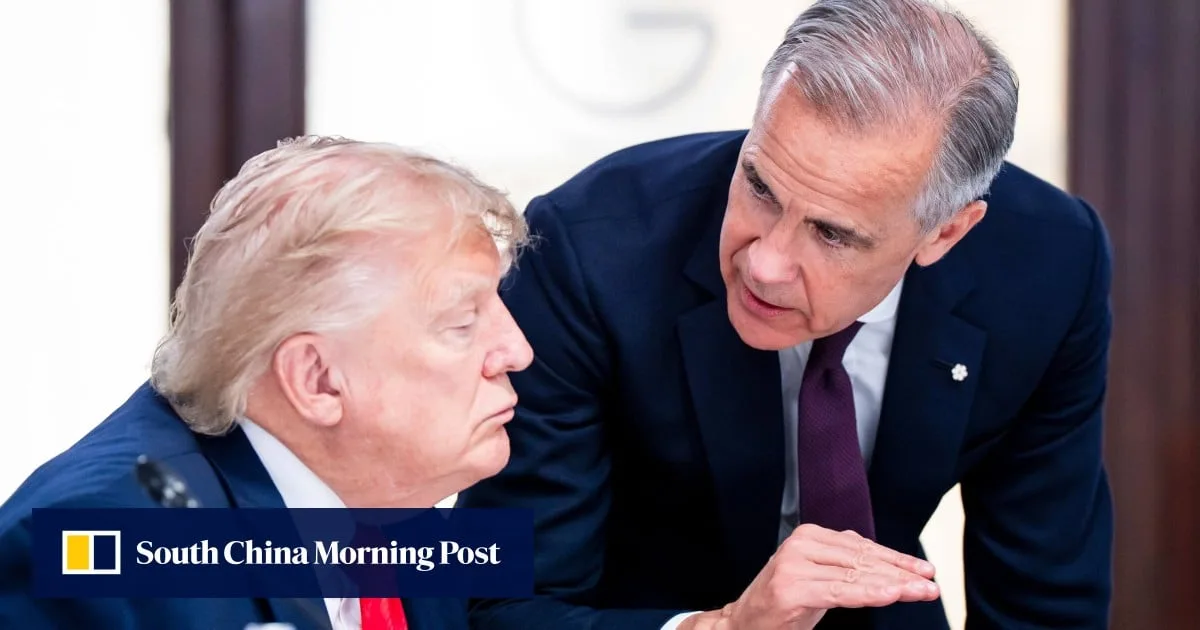
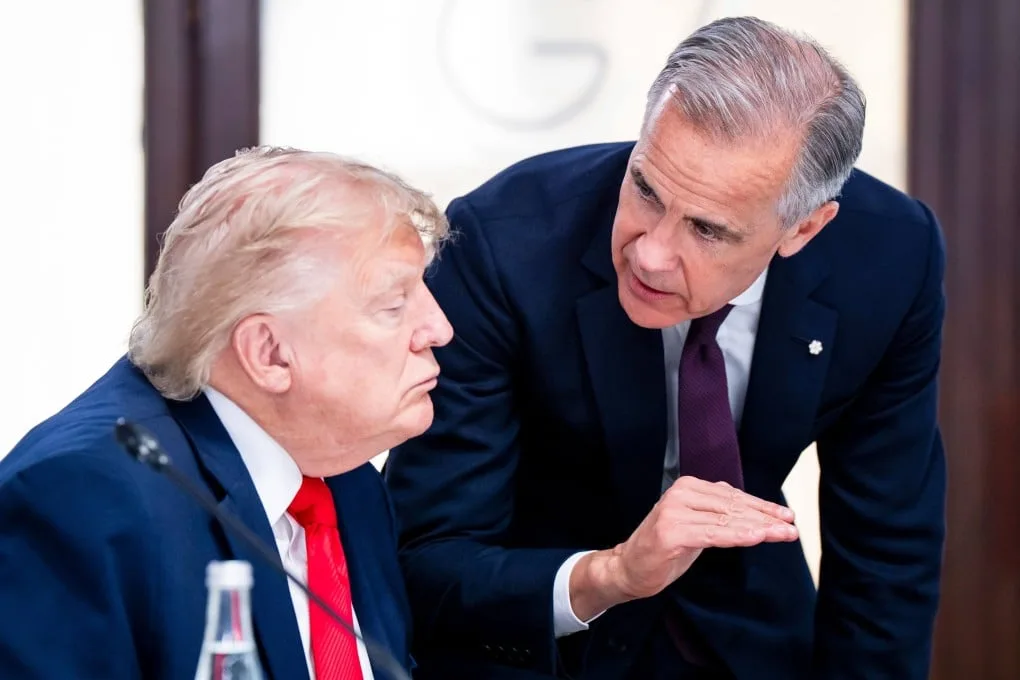
At the G7 summit held June 16-17, 2026, in Evian, Canadian Prime Minister Mark Carney shared details of the Canada-China electric vehicle deal with US President Donald Trump. A hot mic captured Carney explaining the capped EV imports to Trump, who responded, "that's good" [1, 2]. Later, Carney said Trump "likes the structure, actually," and told Trump, "I thought you'd actually like that" [2].
When directly asked about his view, Trump did not explicitly endorse the deal but said, "I don’t know if I said I liked it, but I can understand it. If I had to choose between having a quota and no quota, I’d rather have a quota" [1].
The Canada-China electric vehicle agreement remains sensitive as Canada continues to press the US to lower tariffs on foreign-made cars. Canada seeks to build local EV production capacity rather than rely on assembling mostly imported parts, reflecting broader trade and industrial priorities [1].
During the G7 summit, Canada’s Minister of Intergovernmental Affairs met with the US Trade Representative to discuss trade matters. The talks were described as constructive but no specific progress on tariffs was disclosed [1].
In the week before the G7 meeting, Canada’s Industry Minister visited China to promote cooperation with Chinese automakers and support local electric vehicle manufacturing [1].
The capped import agreement with China sets a tariff rate of around 6% for 49,000 EVs over a year and represents a shift from Canada’s prior tariffs of over 100% on Chinese electric vehicles. The quota level is planned to increase in the future [1, 2].