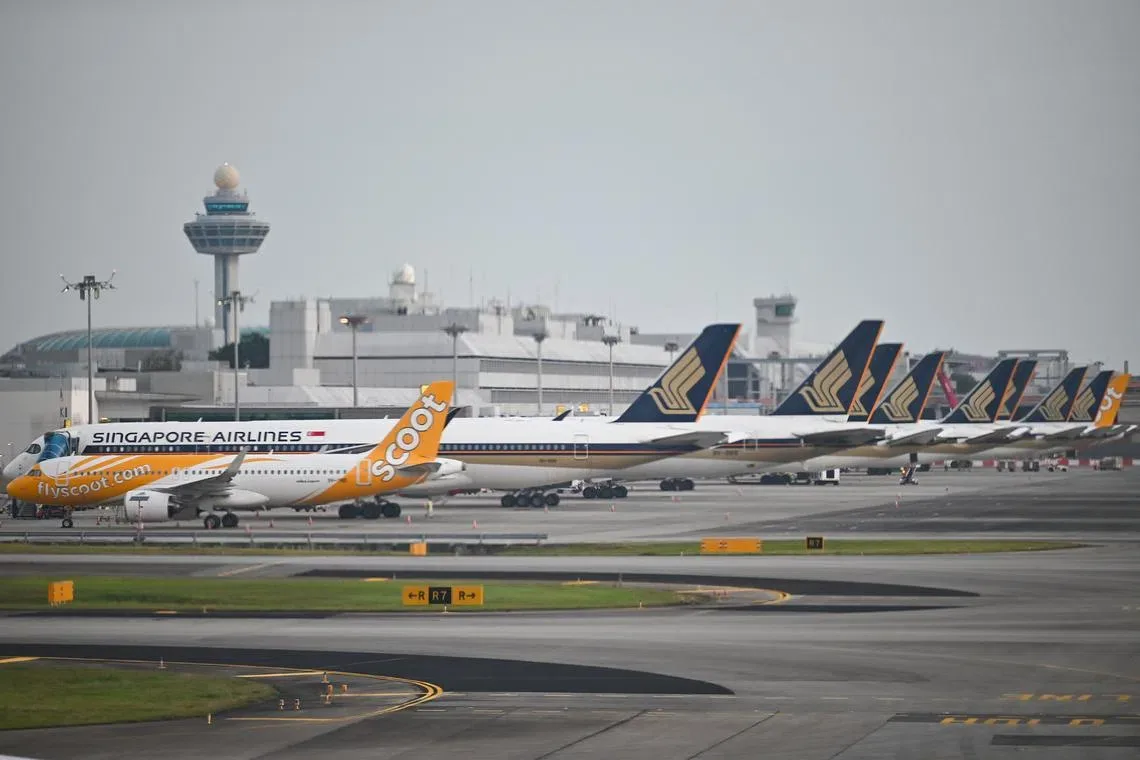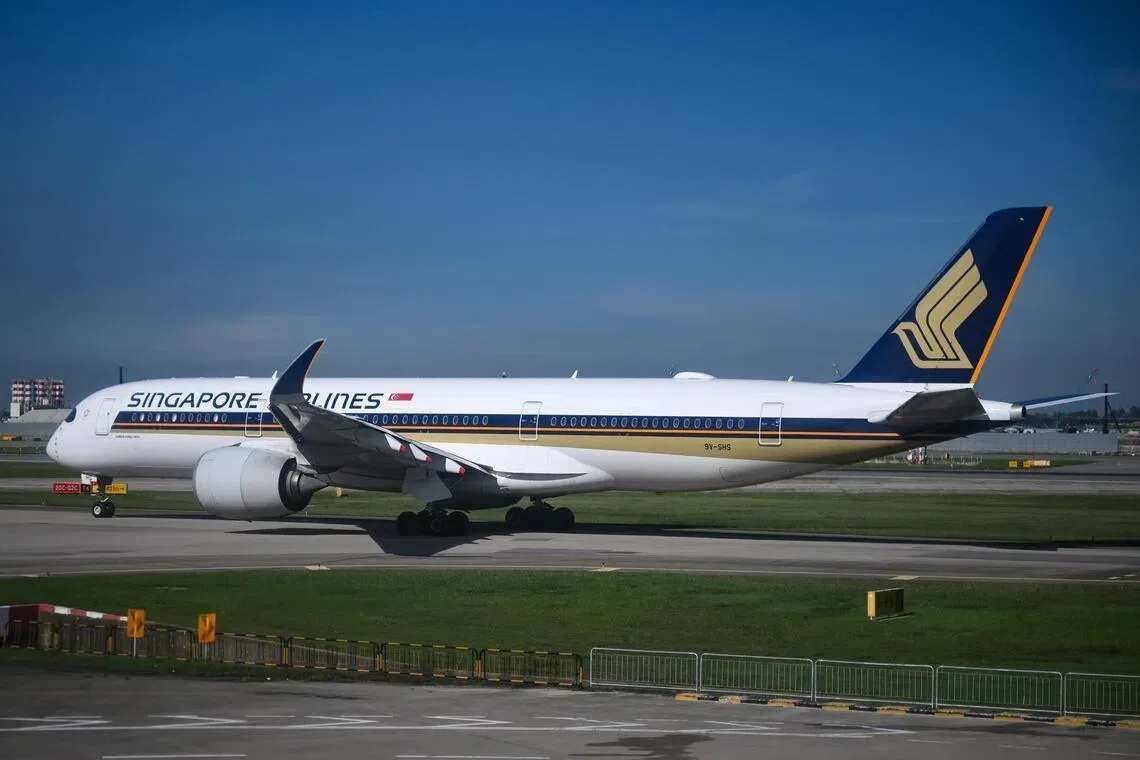
Typhoon Bavi disrupted air travel across Northeast Asia in July and August 2023, causing widespread flight cancellations from Singapore and Hong Kong. [1, 2, 3, 4]
At least 18 flights by Singapore Airlines and Scoot between Singapore and Tokyo, Sapporo, Seoul, and Taipei were cancelled or rescheduled on July 10 and 11 due to the approaching typhoon. [1, 2] Additional cancellations on July 11 and 12 affecting Singapore Airlines flights between Singapore and Shanghai brought the total cancellations from Singapore to Northeast Asia to at least 20. [2, 3] Several other carriers including China Airlines, EVA Air, XiamenAir, Juneyao Airlines, and Air China also cancelled flights from Singapore to Taipei or Shanghai. [2, 3]
On July 8, Scoot announced 12 flight cancellations between Singapore and Tokyo, Sapporo, and Seoul. [1] Singapore Airlines followed with announcements of four Singapore-Taipei cancellations on July 9 and further cancellations of Shanghai-Singapore flights on July 10. [1, 2] The airline said it would contact affected customers and warned the situation remained fluid, advising travelers to check its flight status page. [1, 3] Scoot emphasized customer and crew safety as its top priority and said it would adjust schedules as needed. [1]
Typhoon Bavi hit Okinawa, Japan on July 11 with winds over 200 km/h, causing flight disruptions and warnings of landslides and flooding. [2, 3] The storm then moved toward eastern China. Forecasts differed slightly, placing landfall either near Wenzhou on July 12 or in Fujian province on the evening of July 11. [1, 2, 3]
In Taiwan, Bavi was one of the largest storms in over 30 years, prompting the evacuation of nearly 9,000 people and widespread flight cancellations. [3] In the Philippines, landslides related to Bavi caused at least 15 deaths and six missing persons. [3]
Hong Kong was also disrupted in early August 2023 by Super Typhoon Bavi, with more than 40 flight cancellations and 10 delays reported from the city to Taiwan, mainland China, and Japan. [4] Carriers including Cathay Pacific, HK Express, and Hong Kong Airlines waived fees for affected passengers. [4] The Hong Kong Observatory recorded maximum sustained winds reaching 195 km/h on Thursday morning, forecast to rise to 205 km/h by Friday morning. [4]
The next scheduled update on flight operations and typhoon conditions will depend on further developments from aviation authorities and meteorological agencies as Bavi moves inland.