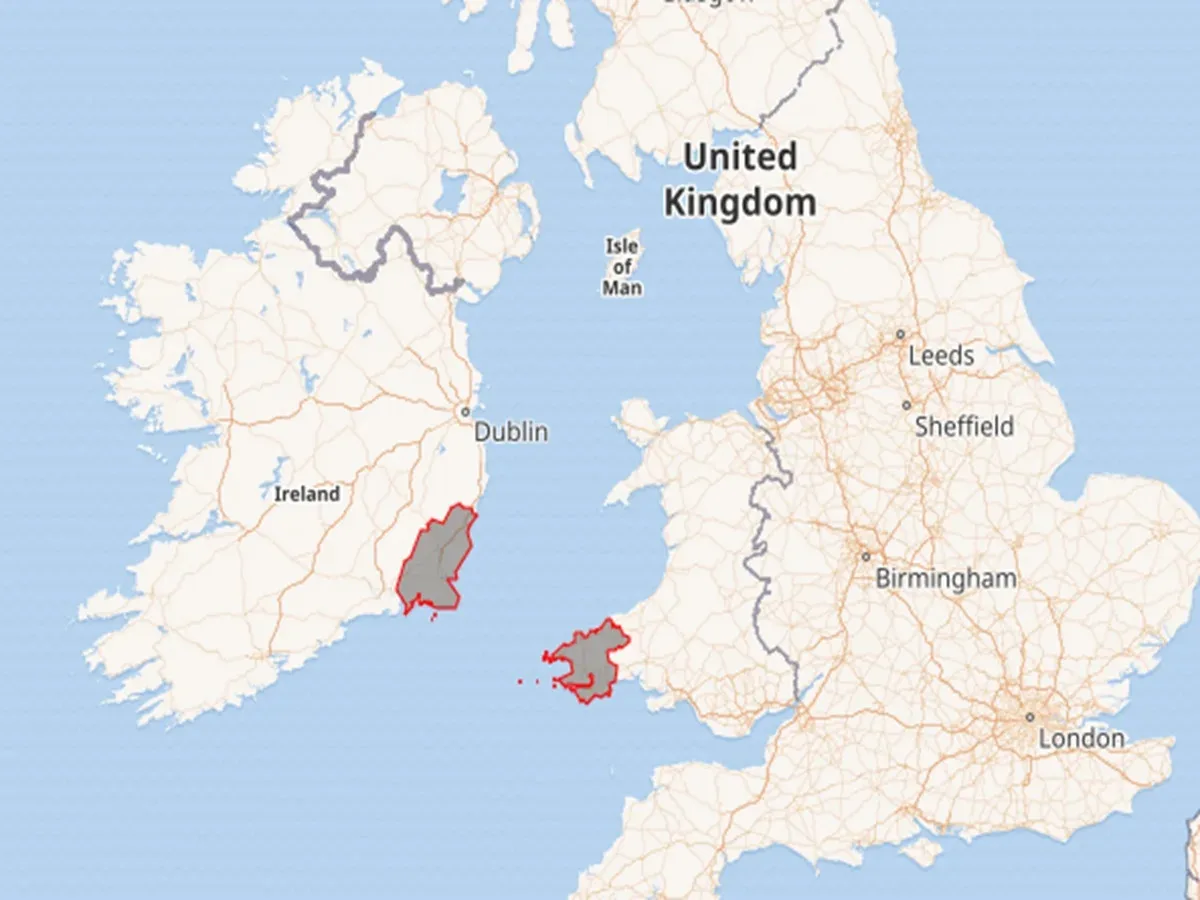
The Greenlink subsea power cable, connecting Ireland’s County Wexford with Freshwater West beach in Pembrokeshire, Wales, has been rerouted to avoid the fan-created memorial to the Harry Potter character Dobby. The original cable route would have passed through the filming site of Dobby’s death scene and the unofficial gravesite developed by fans over the past decade [1, 2, 3, 4, 5].
The cable itself spans approximately 125 miles (201 kilometers) and costs an estimated £430 million (about $580 million). The project aims to enhance energy supply security between Ireland and the UK and double power transmission capacity by sharing surplus renewable energy [1, 2, 3, 4, 5].
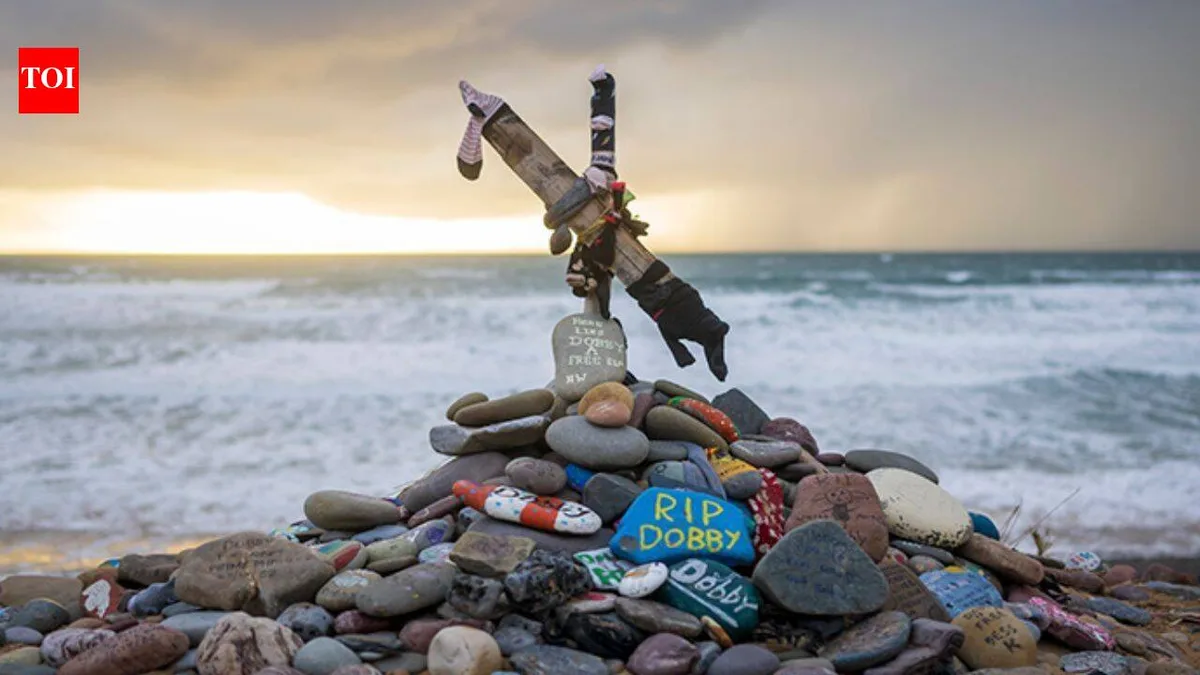
After the initial route plans were made public, hundreds of Harry Potter fans placed calls protesting the planned path across Freshwater West beach. They expressed concern that construction would disturb the fictional character’s memorial, which has been growing since the 2010 release of "Harry Potter and the Deathly Hallows: Part 1." Fans leave stones and messages marking the makeshift grave where Dobby died in the film [1, 2, 3, 4, 5].
Simon Ludlam, project manager at Etchea Energy, said he initially did not understand the protests. "He’s a fictitious character in a fictitious book, the whole thing is fictitious," Ludlam commented. After colleagues explained the cultural significance, the team decided to reroute to completely avoid the memorial site. "A lot of people were very happy about that, and the project is now going (ahead) and Dobby’s happy," he said [2, 4].
Local tourism relies heavily on the Dobby memorial, which attracts visitors worldwide. Pembrokeshire tourism contributes roughly £604 million annually to the local economy and supports 23% of local jobs. Residents note stones at the site from places as far away as Italy, Australia, and South Africa. One local described the memorial as a bittersweet place where fans contemplate the character’s final heroic moments, calling its preservation important [1].
The rerouted cable path now skirts Bronze Age archaeological sites with remains dated 1700 to 1500 BC linked to ancient human burials, adding new considerations for project construction [1, 2, 4, 5].
Environmental authorities have also urged visitors not to leave socks or objects to avoid damage to the coastal ecology at Freshwater West [1, 3, 4, 5].
Construction on the Greenlink project is proceeding on the revised route, ensuring the power link upgrade moves forward while respecting both cultural landmarks and sensitive archaeological sites [1, 2, 3, 4, 5].