US military launched large-scale airstrikes on September 1, 2026, targeting over 100 Iranian Revolutionary Guard positions near the Strait of Hormuz. The strikes involved more than 50 aircraft and cruise missiles, destroying missile launchers, radar stations, Chinese-supplied air defense systems, and munitions depots, causing dozens of casualties among Iranian forces [1, 2, 3, 4, 5, 6]. Two Iranian oil tankers were hit by drone-launched missiles during the attack, marking an escalation against Iran’s energy assets [6].
In response, Iran fired missiles at US military bases in Jordan and the United Arab Emirates on the same day [7, 2, 4, 6]. US President Donald Trump said military action against Iran would not last long, stating "Iran has no navy, no air force, no currency and has officially become a failed state" [7, 6].
The military clashes raised Brent crude prices above $94-$95 per barrel and WTI crude above $90, with intraday spikes exceeding 5%. Rising oil prices heightened inflation fears and pushed US 10-year Treasury yields to 19-month highs amid global bond yield increases [1, 8, 3, 9, 10, 4, 5].
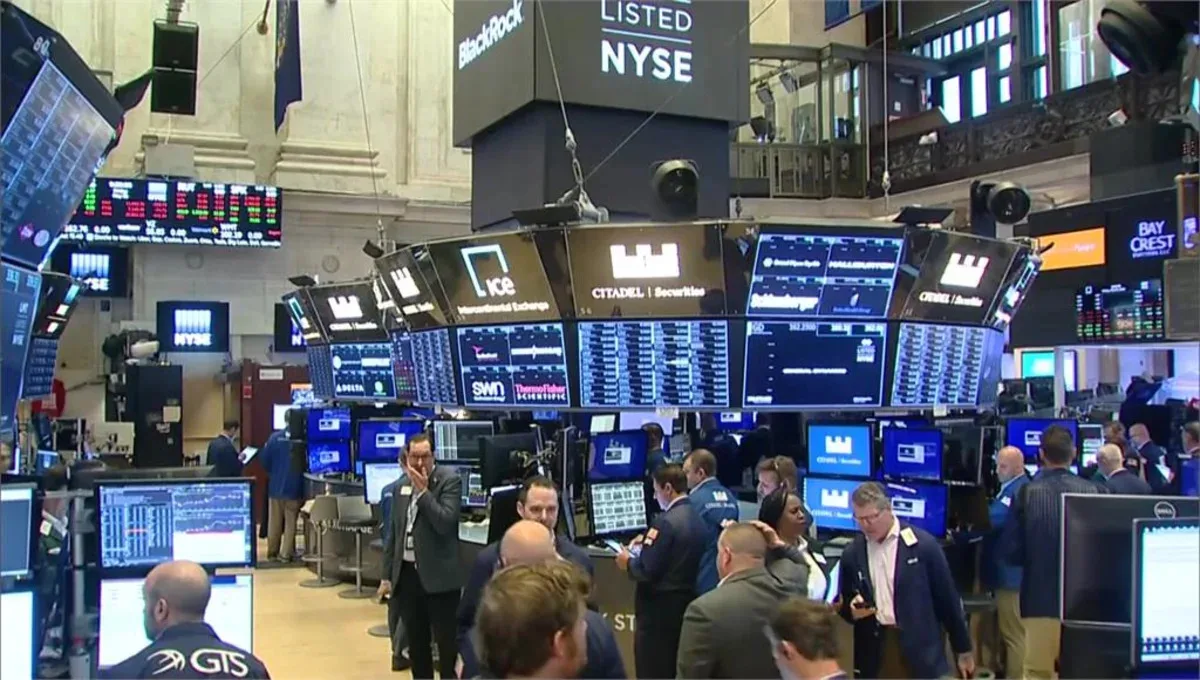
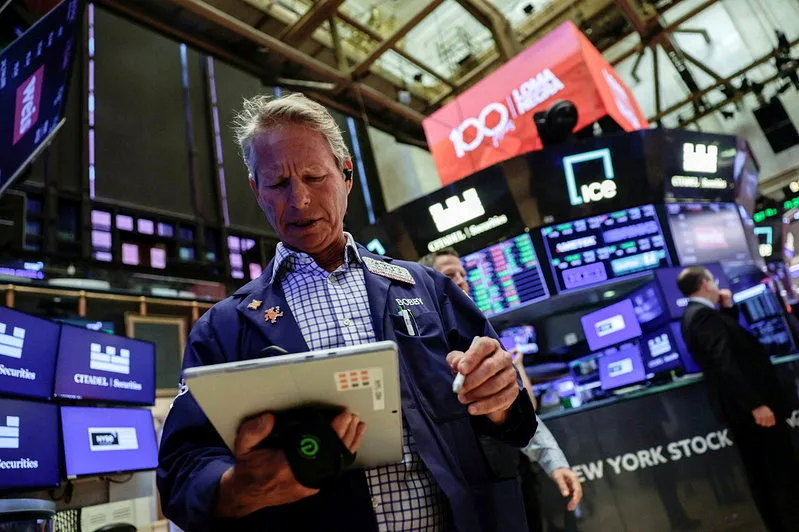
The US stock market fell sharply, led by the tech and semiconductor sectors. The Philadelphia Semiconductor Index dropped 2.14%, the Nasdaq lost 1.03%, while the S&P 500 and Dow Jones Industrial Average declined 0.71% and 0.79%, respectively. Key tech stocks such as Nvidia, AMD, Micron, and TSMC ADR fell between 1.3% and 2.6% [1, 8, 3, 9, 10, 4, 5]. Ross Mayfield, a Baird investment strategist, noted the difficulty for stock markets to digest sharp bond market swings, with these pressures likely to persist [9]. Market data showed a 68% probability of a Fed interest rate hike in September, up from previous weeks, reflecting heightened rate increase expectations [1, 8, 9].
In contrast to US markets, Taiwan’s stock exchange advanced strongly on September 1, gaining about 820 points to nearly 47,000 amid robust demand in PCB-related sectors and trading volume of NT$1.08 trillion [7, 2, 11, 3, 4, 6].
On September 2, US stock indices rebounded as oil prices pulled back slightly and Treasury yields declined following President Trump’s comments easing fears of prolonged conflict [6].