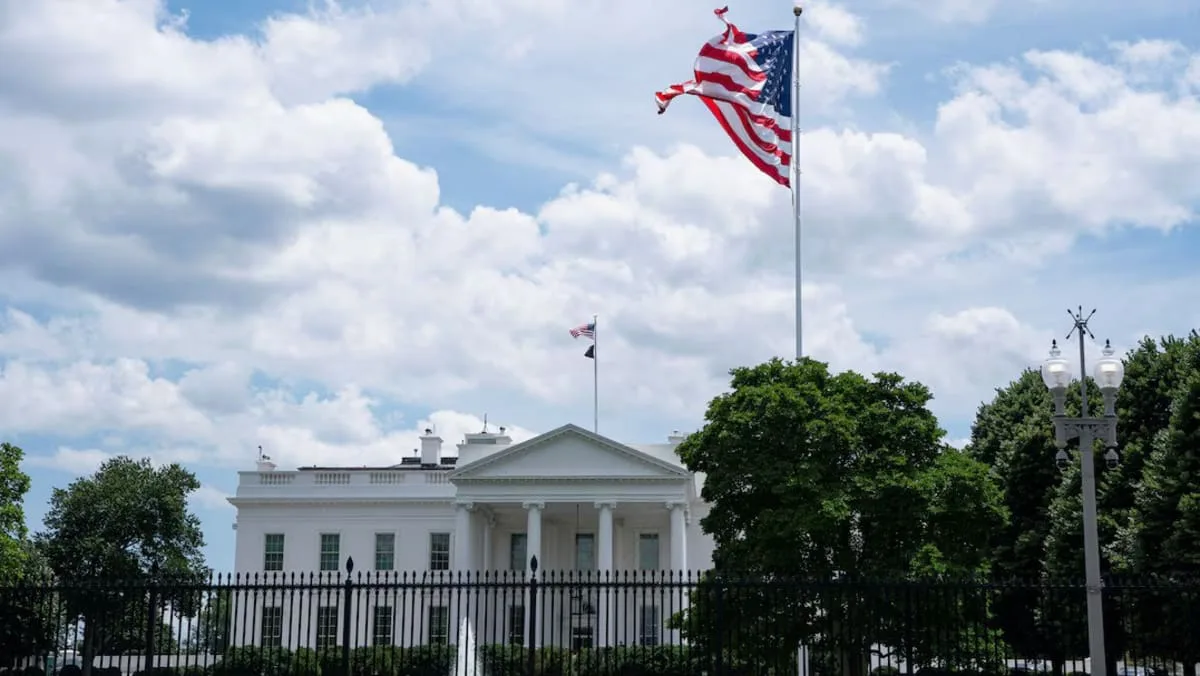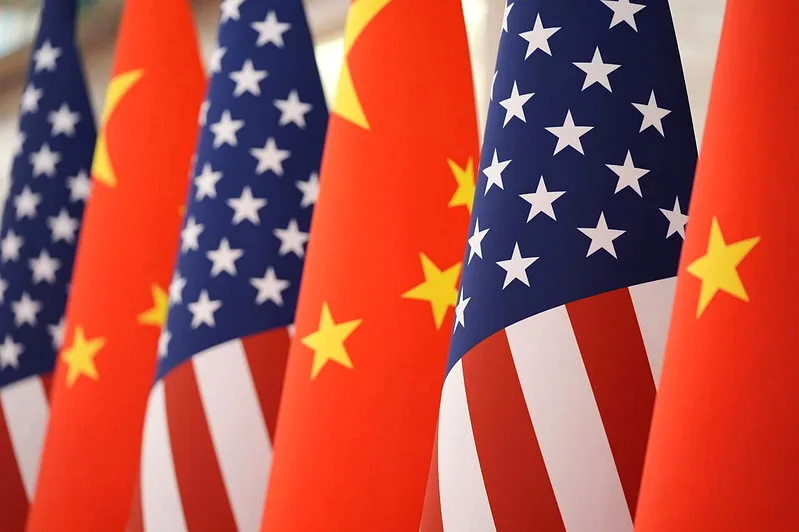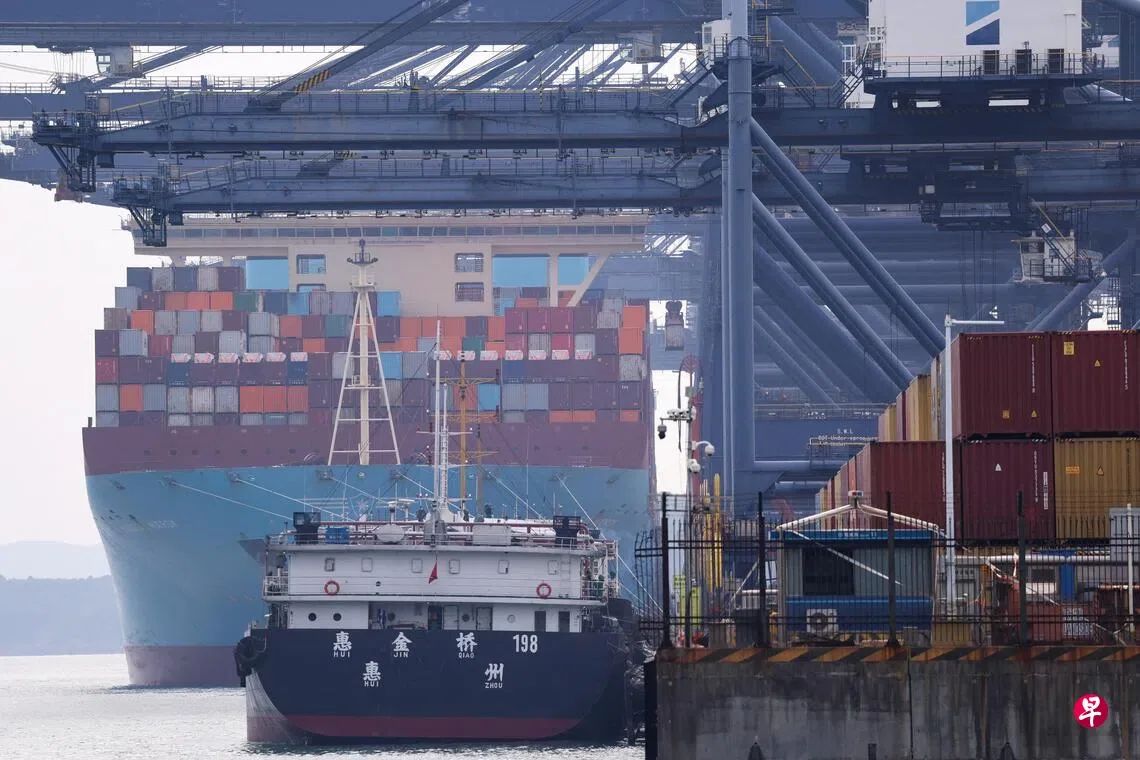
The US government is preparing to impose a 7.5% tariff on Chinese goods due to concerns about China's industrial overcapacity. The announcement could come before the scheduled summit between President Donald Trump and Chinese President Xi Jinping on September 24, 2026, in Washington, D.C. [1, 2, 3, 4, 5, 6, 7, 8]
This new tariff would be added to a 12.5% tariff imposed in July 2026, which targeted forced labor issues in Chinese supply chains. Together, the combined tariffs since Trump's second term would approach 20% on targeted Chinese imports [1, 2, 3, 4, 5, 6, 7, 8]. Some plans being discussed include setting a higher nominal tariff rate but suspending part of it, leading to an effective rate near 7.5%. The details on which tariffs would be suspended and for how long are under ongoing negotiation between Beijing and Washington [1, 2, 3, 4, 8].
The tariffs would rely on legal authority from Section 301 of the 1974 Trade Act, following the US Supreme Court earlier this year invalidating broad Trump-era retaliatory tariffs. The government hopes to reveal the results of its overcapacity investigation and related tariff measures before the September summit [1, 2, 3, 4, 5, 8].
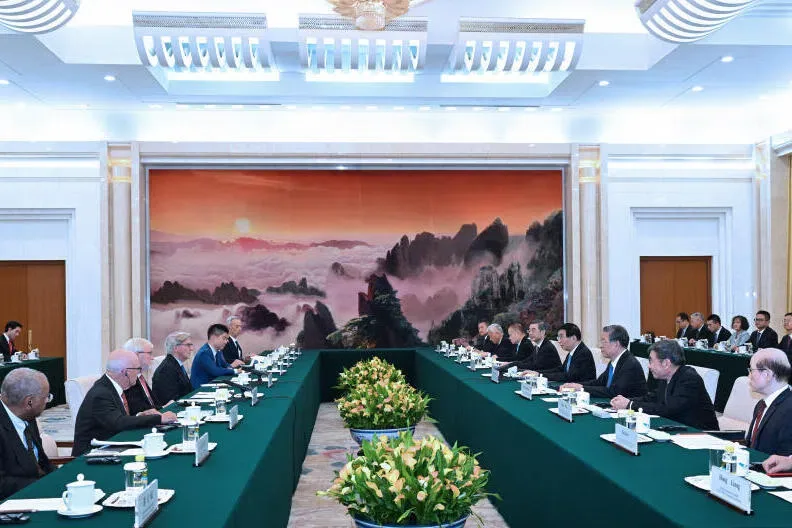
China rejects the claim it faces industrial overcapacity and opposes unilateral US tariffs. It prefers resolving trade issues through bilateral negotiations. Chinese official Wang Huning met US representatives in Beijing on August 24, 2026, urging respect for each country's core interests and constructive cooperation ahead of the summit. Wang said China aims to implement the leaders' consensus and build strategic stability in the relationship [9, 3, 5, 6, 7].
The existing US-China trade truce agreement is set to expire on November 10, 2026. Both sides are seeking to extend it [1, 2, 3, 8]. Wang also recalled the leaders' in-depth communication on major bilateral and global matters during President Xi’s meeting with President Trump in May 2026 [6].
A White House official cautioned that any formal announcement would come directly from the US government, calling other reports speculation [1]. US Trade Representative Jamieson Greer noted the overcapacity investigation is complex and will take longer than the forced labor probe; any delay is unrelated to the trade truce [1].
The next scheduled development is the Trump-Xi summit on September 24, where trade issues and tariffs are expected to feature prominently [1, 2, 3, 4, 6, 8].