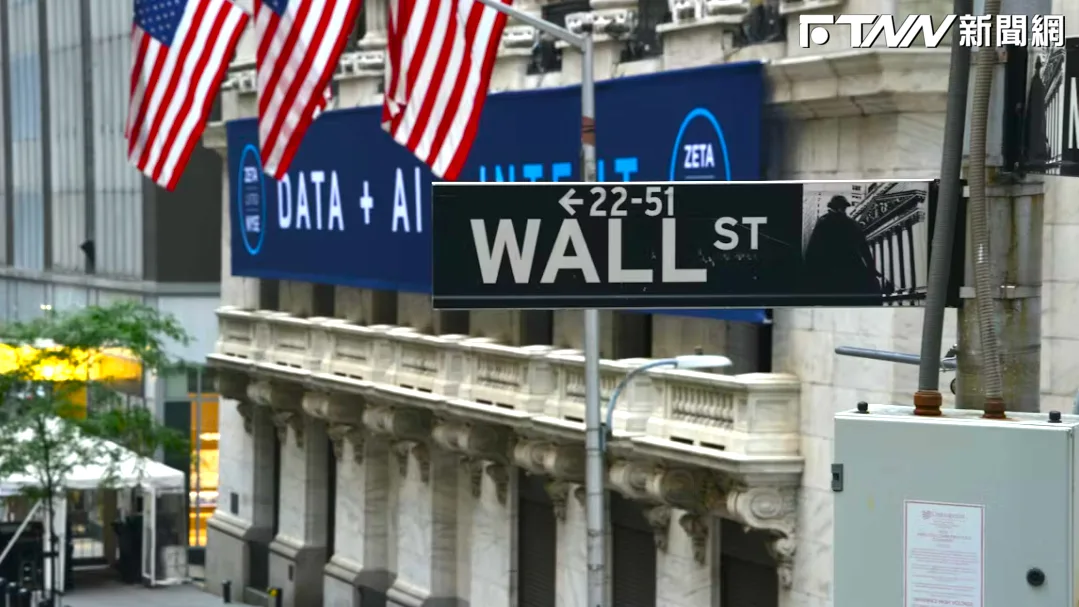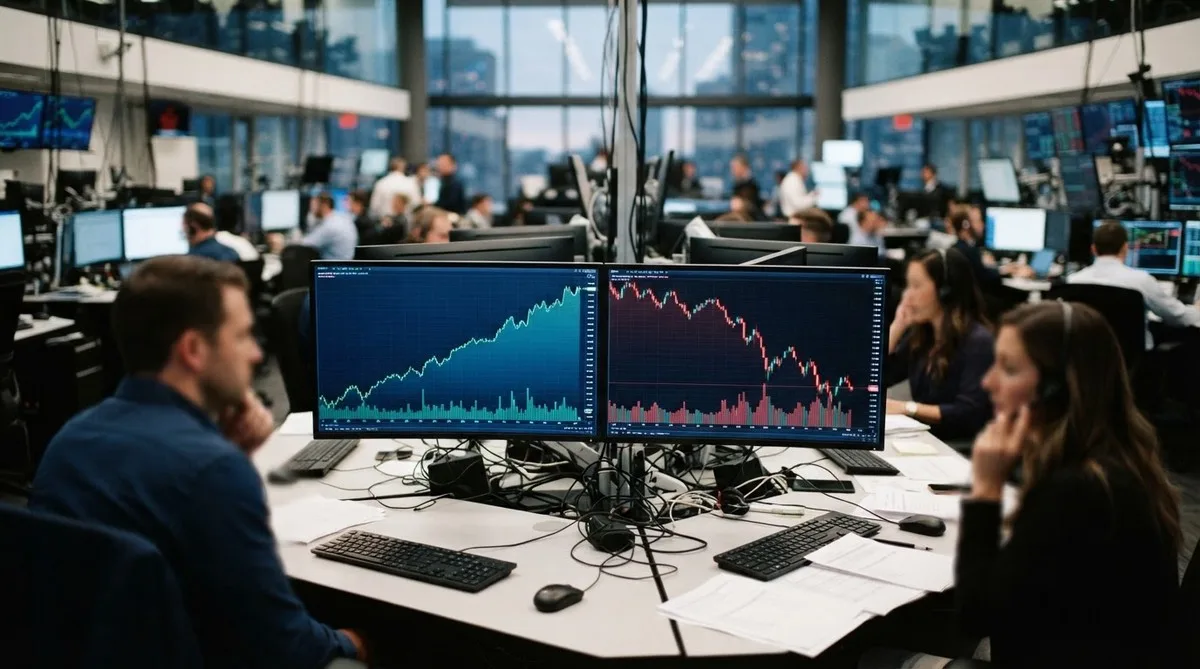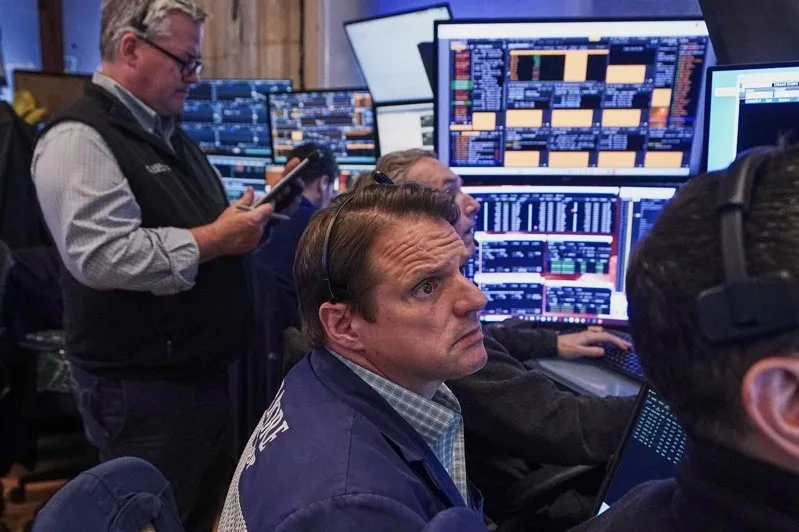
US stock markets closed lower on August 7, 2026, with AI and semiconductor shares facing heavy selling pressure amid rising geopolitical risks and oil prices [1, 2, 3, 4]. The Dow fell 130.76 points, or 0.25%, to 52,925.15, the S&P 500 dropped 0.45% to 7,503.85, and the Nasdaq lost 1.16% to 25,818.69 [1, 3, 4].
The Philadelphia Semiconductor Index plunged about 4.65%-4.7%, falling to near seven-week lows, driven by steep declines in key chipmakers. Micron Technology shares fell 4.7%, SanDisk dropped 7.3%, and TSMC ADR declined 4.3%. NVIDIA was a notable exception, rising around 0.7% [1, 3, 4]. Zachary Hill of Horizon Investments said the market now has "almost impossible expectations for AI, semiconductor and memory stocks after the prior furious rise" [1].
Samsung Electronics reported a record-setting second-quarter operating profit that surged 19-fold year-on-year, but shares still fell nearly 7%, dragging South Korea’s Kospi index down by about 5%. This sparked concerns about future capital spending and demand amid the broader tech selloff [1, 2, 5, 3, 4]. Taiwan’s stock market experienced volatile trading with a dramatic intraday swing exceeding 1,500 points and closed down 2.31% or 1,077 points [1, 2, 5, 3, 4].
Multiple commercial vessels were attacked near the Strait of Hormuz on the same day, escalating geopolitical risks and boosting oil prices. Brent crude rose 2.8%-3% to about $72 per barrel, with WTI crude gaining about 2% to $70.44 per barrel after the US revoked permission for Iranian oil sales [1, 2, 3, 4]. Philip Petursson at IGM Financial noted the Middle East conflict could add a $5 to $10 per barrel risk premium to oil prices, benefiting energy shares [4]. Rising oil prices and bond yields dampened risk appetite, prompting rotation out of tech and AI stocks into sectors such as energy, healthcare, and financials [1, 2, 4]. US 10-year Treasury yields rose to roughly 4.53%, the highest since late 2024, reflecting inflation worries [1, 4].
Investor caution on AI stocks grew amid warnings about possible bubble risks due to high valuations and challenges sustaining growth. Warren Buffett was cited saying, "we've never had people in a more gambling mood than now," capturing market nervousness over tech volatility [6, 5]. But some analysts stressed the recent selloff was due more to global de-leveraging pressures than a bursting AI bubble [5, 3, 4]. J.D. Joyce of Joyce Wealth Management commented: "Success can sometimes be its own worst enemy because maintaining rapid growth becomes harder and harder. But the AI boom has not yet reached that point" [1].
The market faces continued uncertainty amid geopolitical tensions and evolving investor sentiment. Trading on August 7 captured broad nervousness across tech and regional markets spurred by external shocks. Investors will closely watch upcoming earnings and geopolitical developments for signs of stability or further volatility.