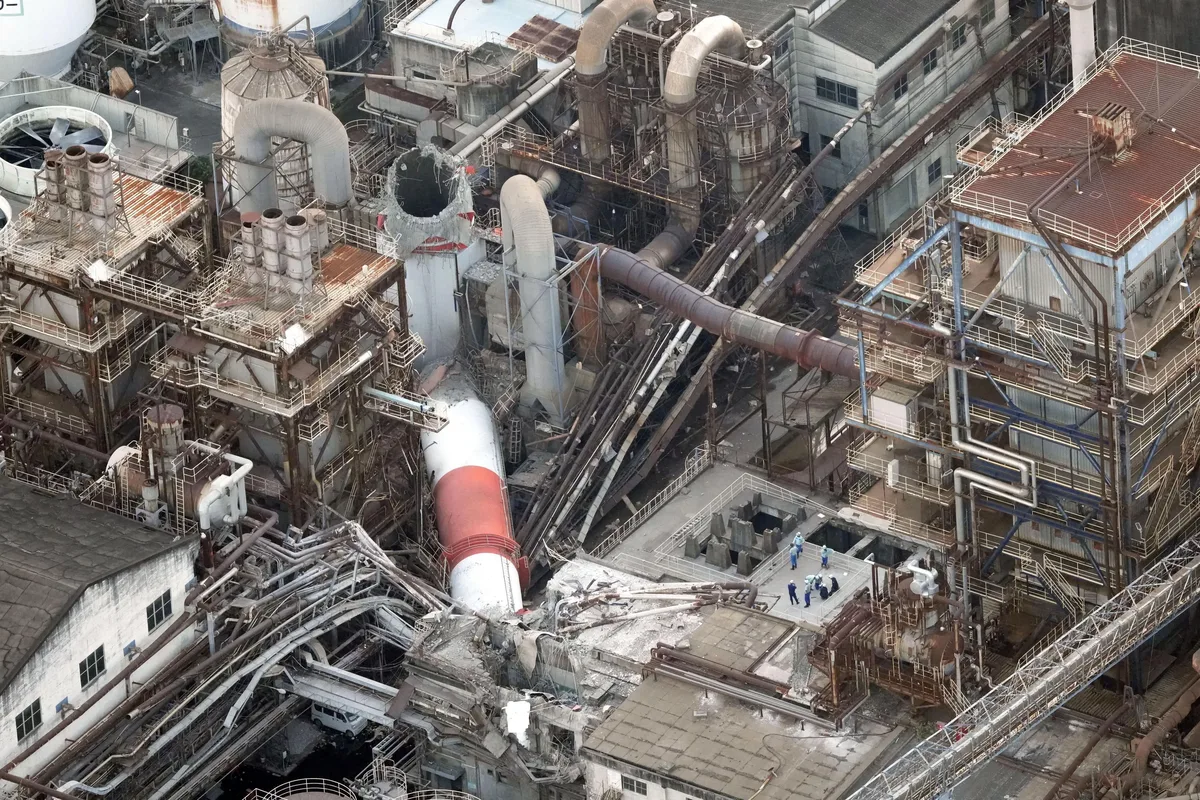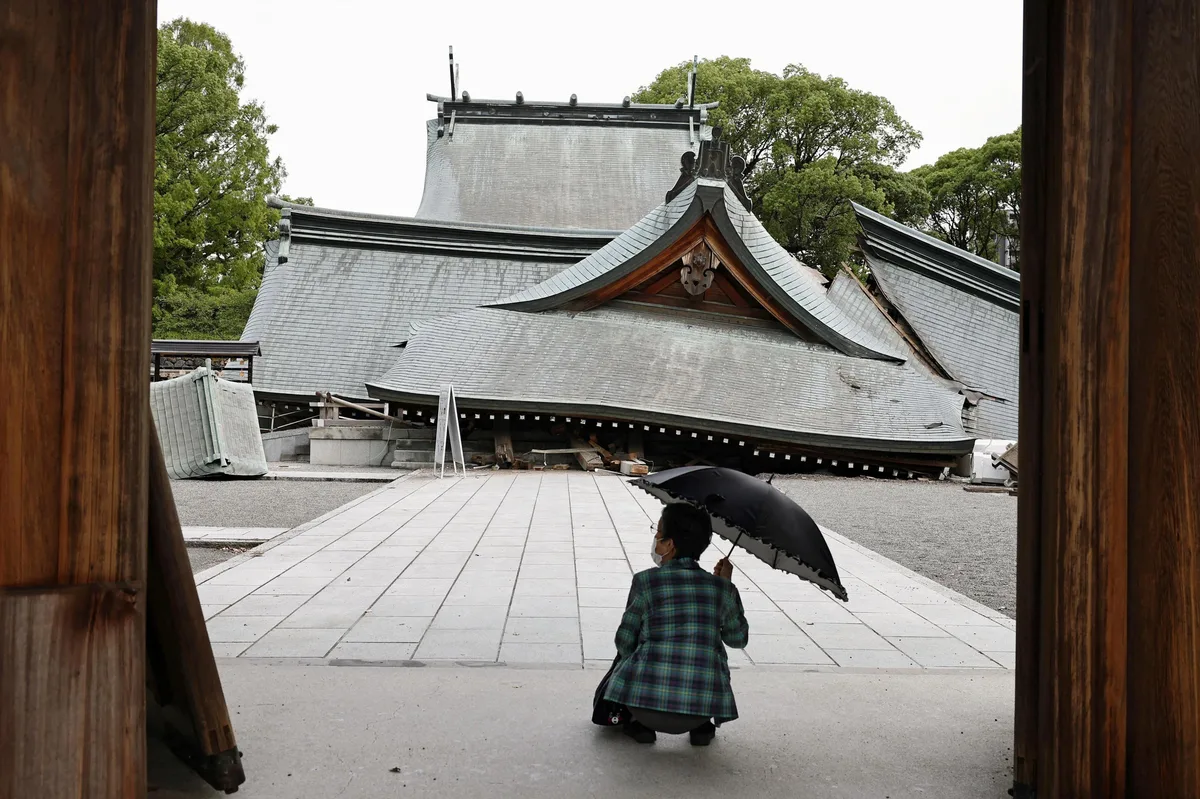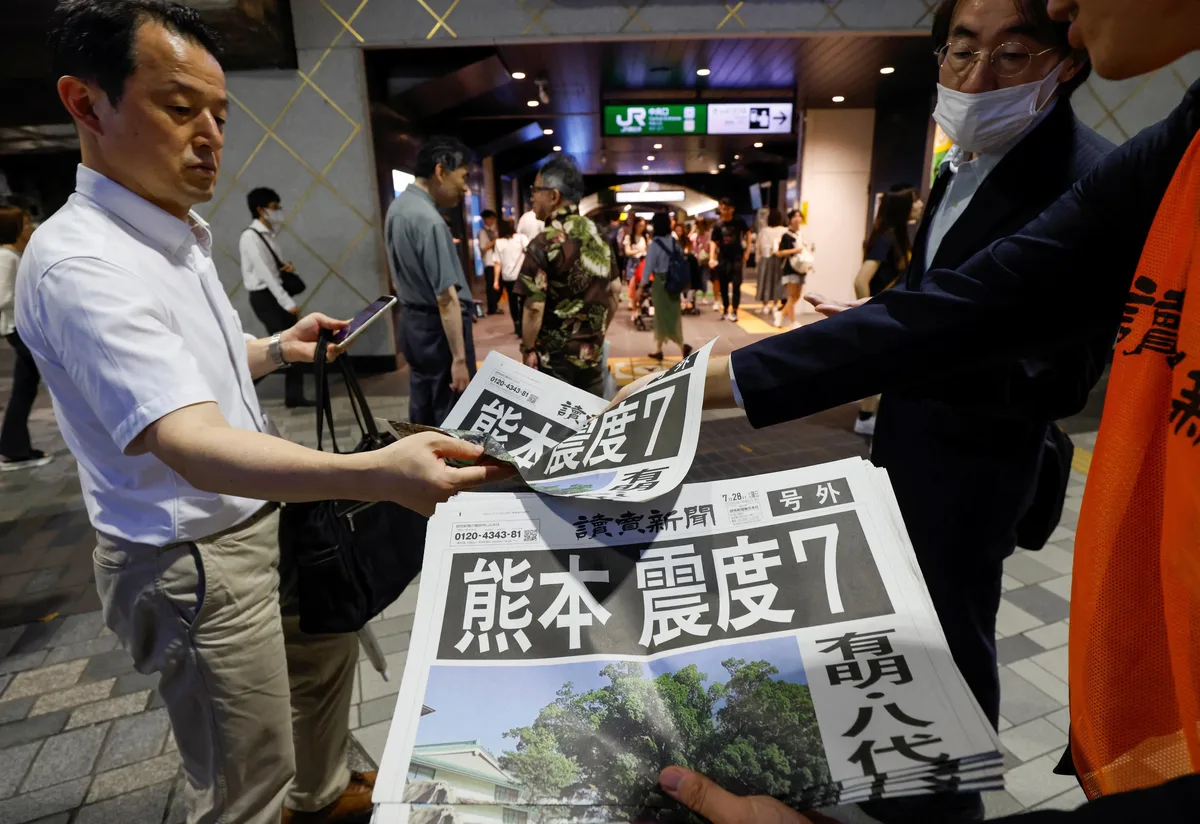
A powerful earthquake measuring 7.1 magnitude by Japan Meteorological Agency, later revised by USGS to 6.8, struck Kumamoto Prefecture on Kyushu Island, Japan, on July 28 at 16:27 JST. The quake's depth was about 10 km, causing severe shaking across the region [1, 2, 3, 4, 5, 6, 7].
The disaster resulted in at least 13 confirmed deaths and over 80 casualties, including people critically injured and some with heart stopped. Initial reports on July 29 referred to lower death counts, but authorities confirmed casualties had risen to 13 by that morning [2, 3, 7, 8].
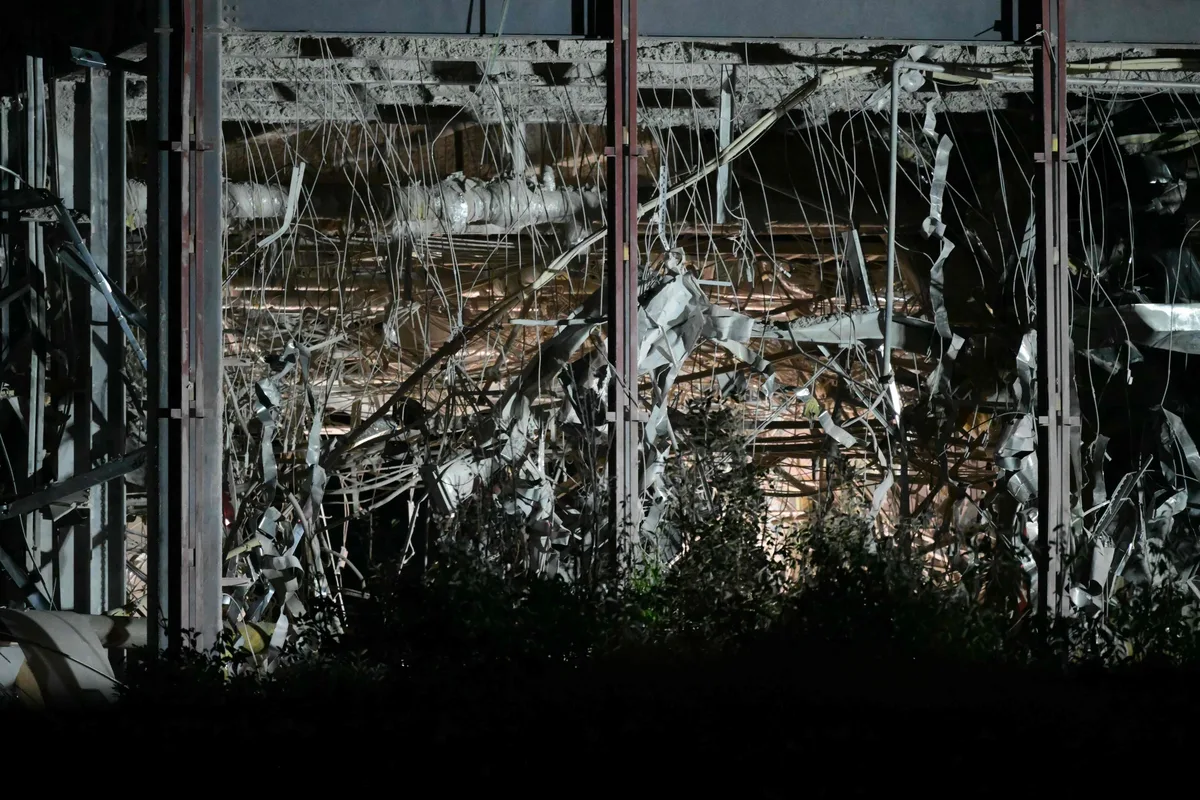
One of the worst-hit locations was the AEON Mall Kumamoto shopping center, which partially collapsed and exploded in fire during the quake. Police, firefighters, and over 3,600 Self-Defense Forces conducted overnight rescue operations searching for survivors trapped in the rubble. Between 20 and 30 mall employees were reported missing [2, 3, 9, 10, 7, 8].
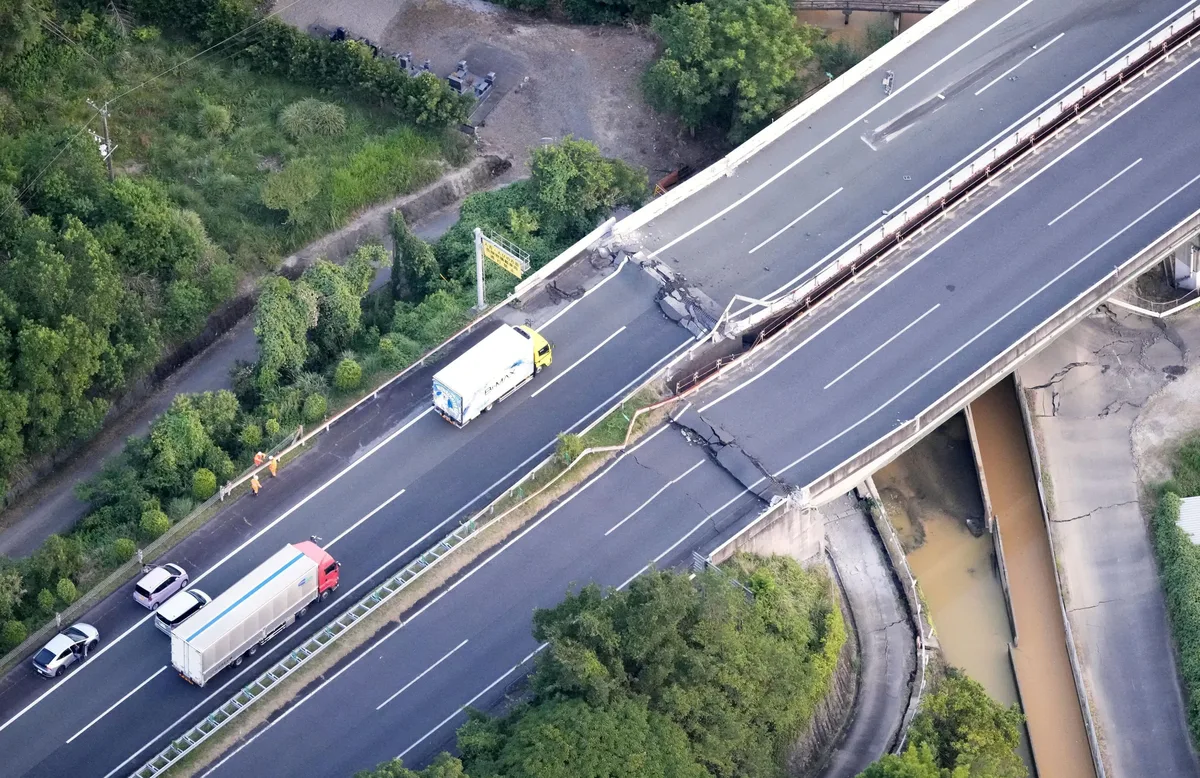
Prime Minister Sanae Takaichi confirmed widespread damage, stating, “We have received reports of injured people. Some areas suffered power outages and fires. Roads, bridges, and buildings collapsed” [3]. She called the rescue effort “a race against time” [7].
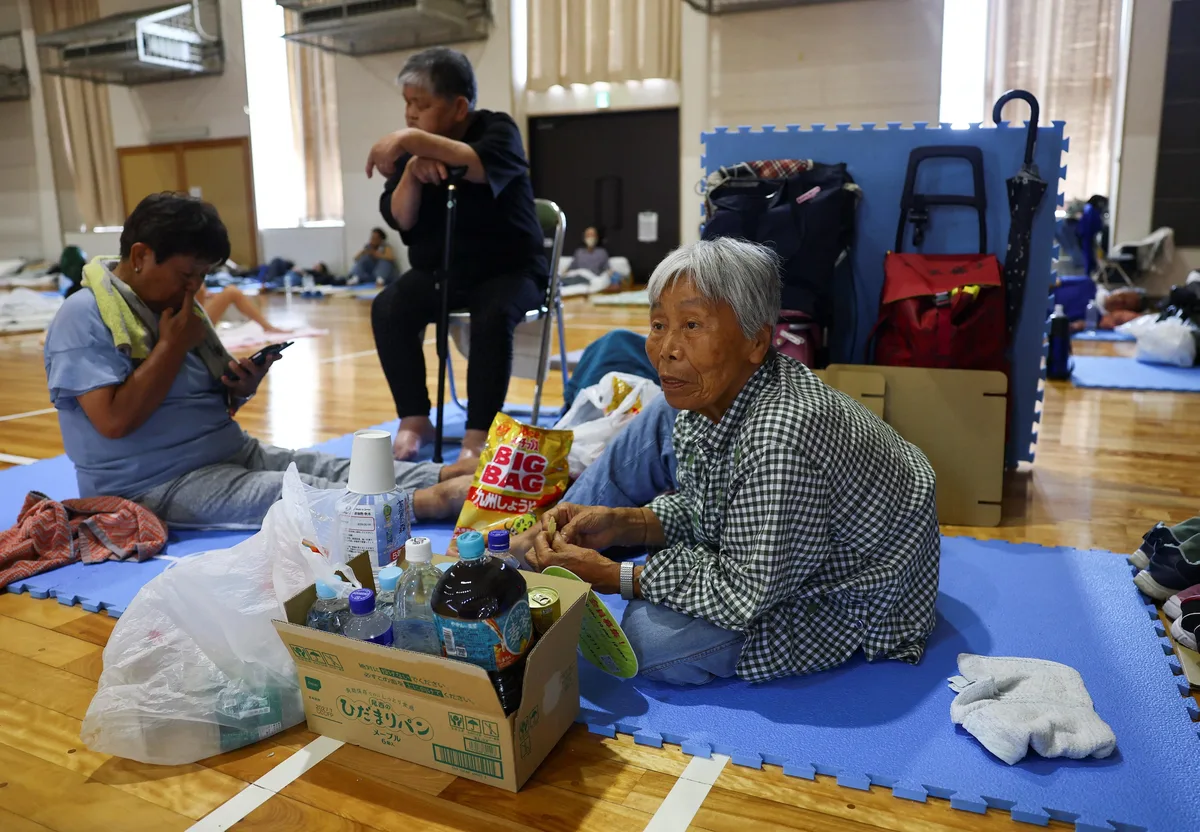
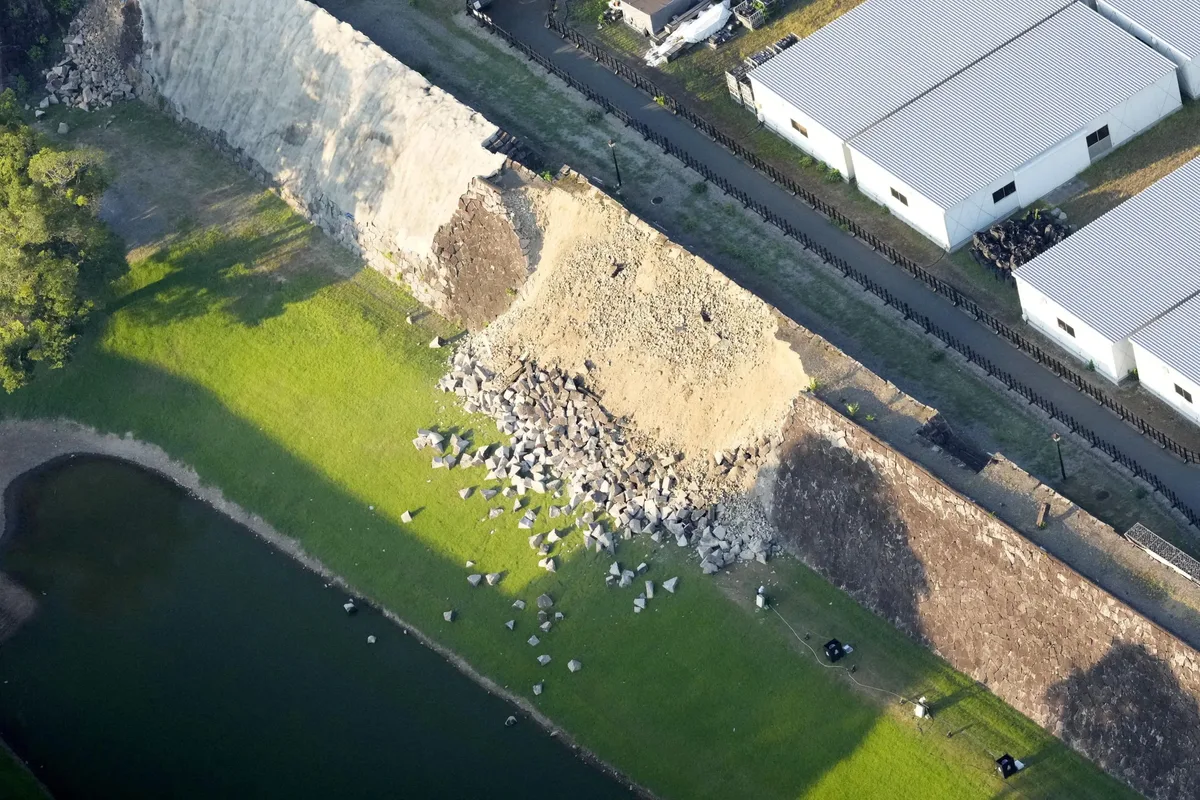
Around 30,000 residents were ordered to evacuate, with at least 9,872 displaced as of July 29 morning [3, 7, 8]. Infrastructure suffered heavy damage: many buildings collapsed, Kumamoto Castle walls partially crumbled, pedestrian bridges fell, and about 48,000 households were without power. Transportation was disrupted, including suspension of Kyushu Shinkansen rail service and temporarily closed airports [1, 2, 3, 11, 6, 7, 12].
Several major factories ceased operations due to the quake including semiconductor plants run by TSMC and Sony, as well as automotive parts suppliers Honda and Toyota Aisin, plus paper mills [3, 5, 8, 12].
A tsunami warning was briefly issued after the quake but was lifted within two hours; the highest waves recorded reached about 1 meter [3, 4, 7]. Multiple aftershocks followed, including a strong magnitude 6.1 event [3, 7].
The earthquake was linked to the Hinagu fault, a reactivation of segments related to the 2016 Kumamoto earthquake [7, 8].
Taiwanese President Lai Ching-te expressed condolences and offered assistance, saying, “On behalf of the people of Taiwan, I extend sincere sympathy for the strong earthquake that just occurred in Kumamoto Prefecture of Japan. Taiwan is ready to provide help at any time, wishing everyone safety and well-being” [5].
The Kyushu Shinkansen suspended full service starting with the first train on July 29 to allow for safety inspections [1]. Rescue and recovery efforts continue as authorities assess further damage and assist those affected.