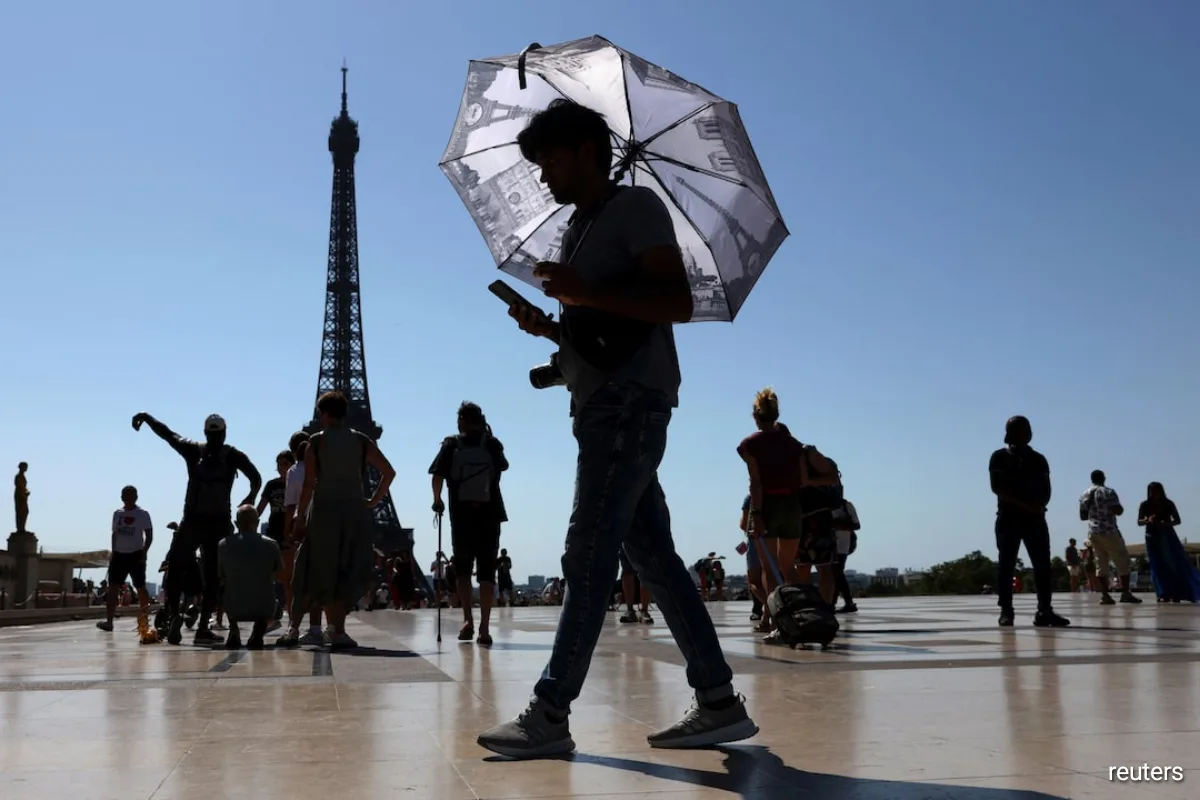
European nations reported over 10,000 excess deaths during a record-breaking heatwave that swept across western Europe in late June 2026 [1, 2, 3, 4, 5, 6, 7, 8]. More than 9,000 of these deaths were people aged 65 and above, who are most vulnerable to extreme temperatures [1, 2, 3, 4, 5, 6, 7, 8]. The mortality spike was most acute during the week of June 22 to 28, when the heatwave peaked across France, Spain, Britain, and other countries [1, 2, 4, 5, 8].
Lasse Vestergaard, Chief Physician at Denmark's Statens Serum Institut, said, "To have this kind of excess at this time of year is unusual. It’s really high. It is difficult to explain this high excess mortality by anything but the extreme heat" [1]. Scientists noted that extreme heat causes death by heat stroke and worsens cardiovascular and respiratory diseases [1, 2, 3, 4, 5, 6, 7, 8]. There were no other major factors like Covid-19 outbreaks that could explain the spike in deaths [1, 2, 5, 8].
The heatwave caused widespread disruptions including power outages, school closures, and record temperatures in France, Spain, and the UK [1, 2, 3, 5, 6]. Belgium recorded its highest excess mortality during a heatwave since 2000 [1, 2, 5].
A separate study estimated more than 2,700 heat-related deaths in England and Wales during May and June heatwaves, with 42% attributed to heat amplified by global warming [1, 2, 9, 3, 5, 10]. The May 2026 heatwave caused about 550 deaths, and the June heatwave about 2,200 deaths in those areas [9, 10]. Research associate Clair Barnes of Imperial College London said, "Heatwaves are the most dangerous kind of extreme weather. This extreme heat... due to human-caused climate change is extremely dangerous to human health" [9].
UK climate data shows a significant warming trend, with an average temperature rise of 0.25°C per decade since the 1980s and record heatwaves in 2025 and early 2026. The UK experienced its hottest year on record in 2025 with an average temperature of 10.1°C and its sunniest year since 1910, alongside marine heatwaves lasting 297 days along coastal waters [11, 12]. UK Met Office climate scientist Mike Kendon said, "We many of our infrastructure, housing stock, agriculture, health systems... are based on a climate that is no longer represented by the recent observations we are continuing" [11].
Mark McCarthy, Science Manager at the UK Met Office’s Climate Attribution Team, described the recent heatwaves as "extreme" and "particularly exceptional for the timing and how early in the year they occurred" [10].
The late June European heatwave is now documented as a major public health disaster with authorities continuing to monitor heat risks ahead of the summer season's remainder.