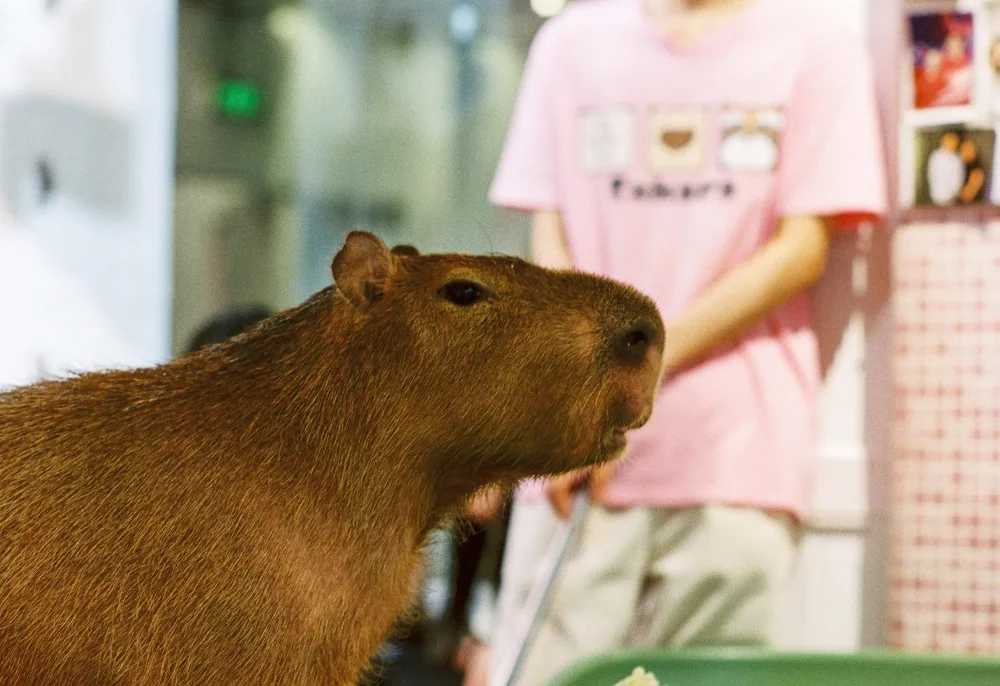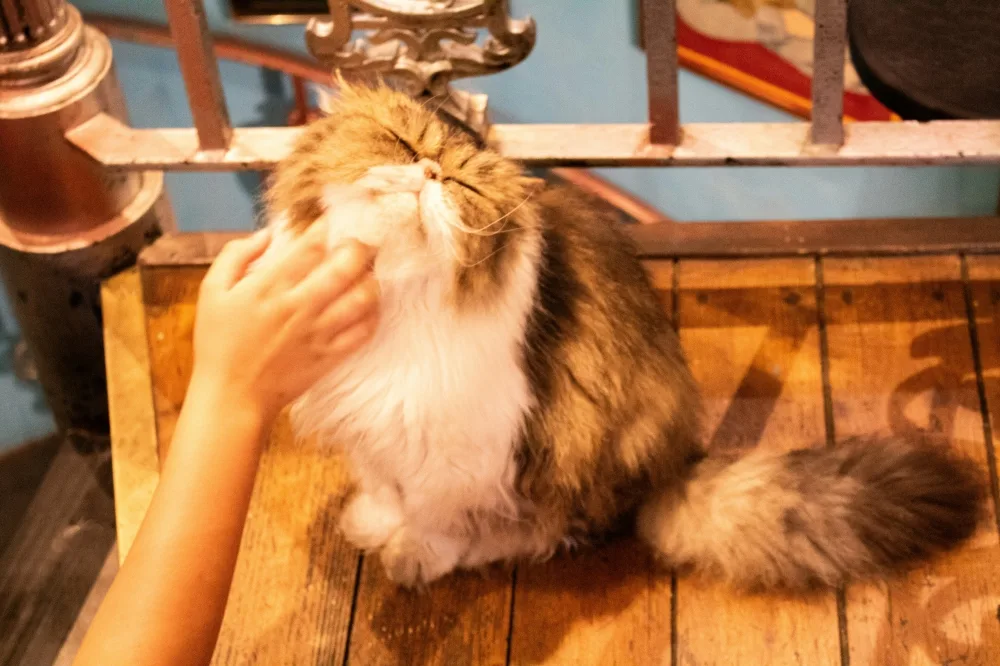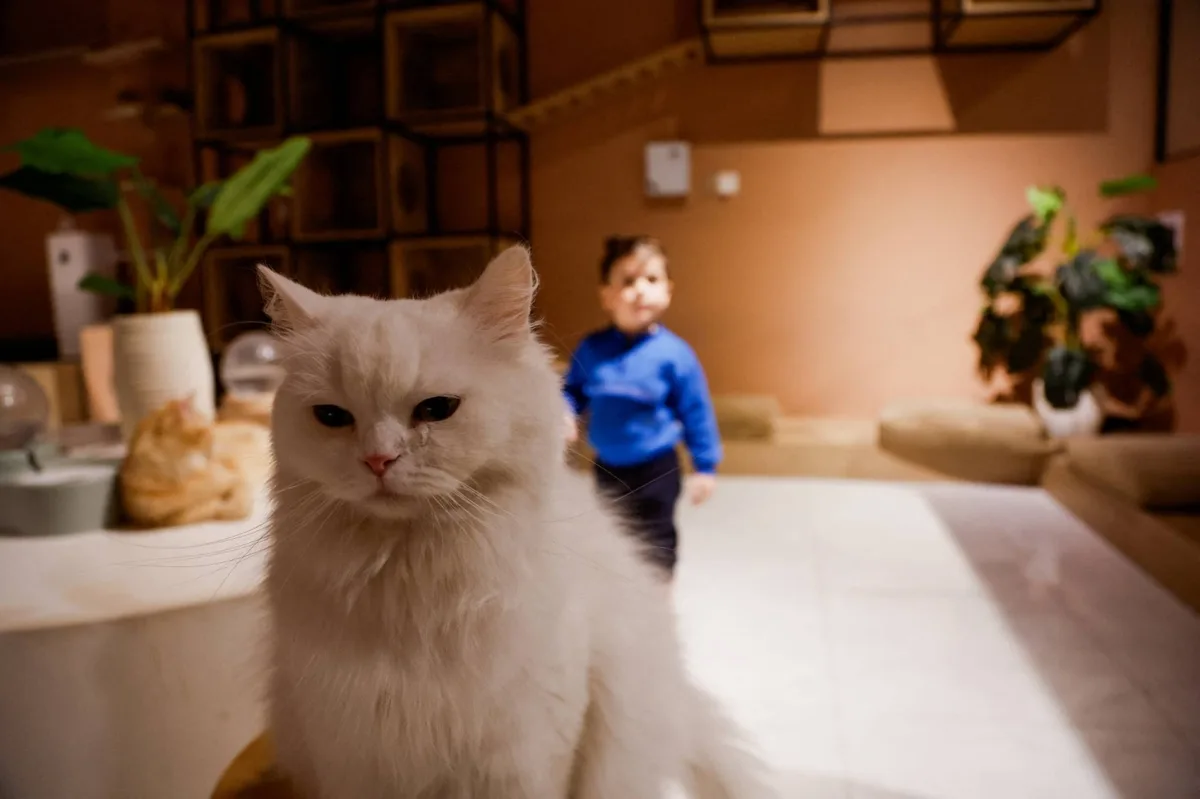
Japan plans to conduct a fact-finding survey starting as early as September 2026 targeting animal cafes where visitors interact with species such as cats, capybaras, micro-pigs, hedgehogs, owls, snakes, and ferrets [1, 2, 3, 4]. These cafes, which number in the hundreds across Japan, have grown in popularity especially among younger generations seeking close contact with wild and domestic animals [2, 4].
The Environment Ministry aims to gather basic information including the number of cafes, the species they keep, hygiene management practices, and customer profiles [1, 2, 3, 4]. It will also assess compliance with relevant laws on animal welfare and hygiene standards. If violations are suspected, officials may conduct on-site inspections [1, 2, 3, 4].
Animal welfare groups have expressed strong concerns over conditions in many cafes. Laila Imai, PETA’s Campaign Coordinator in Asia, said many cafes prioritize customer entertainment over animals’ needs. “Many are subjected to constant handling, noise, flashing cameras and interactions with strangers throughout the day. What may appear charming to visitors can be stressful and unnatural for the animals forced to live that way,” Imai said [1].
A 2025 survey by WWF Japan found some cafes kept endangered species protected by CITES and the IUCN Red List while microbiological tests detected pathogenic bacteria in multiple facilities [1, 2, 3, 4]. Hygiene issues include inadequate customer handwashing and insufficient cleaning frequency [1, 2, 3, 4]. Welfare scores were lowest for birds, and some mammals such as ferrets showed health problems attributed to stress. Less than 80% of cafes have fixed veterinary cooperation systems [2, 4].
Some animal cafes also serve as adoption centers that help find homes for rescued cats and dogs [1, 2, 3, 4]. Typical fees for visiting animal cafes range from 1,000 to 2,000 yen per hour [2, 4].
Following the initial survey, the Environment Ministry plans to conduct interviews and deeper on-site inspections of animal cafes during fiscal year 2027 to further investigate conditions [2, 4].