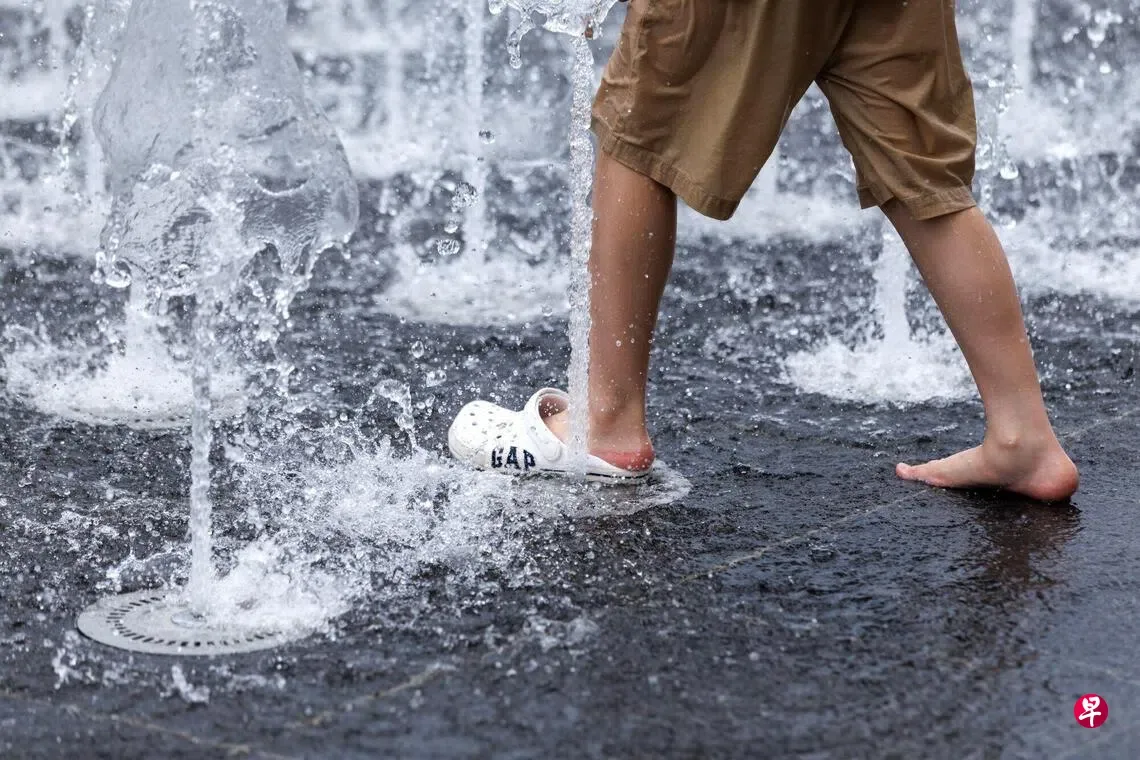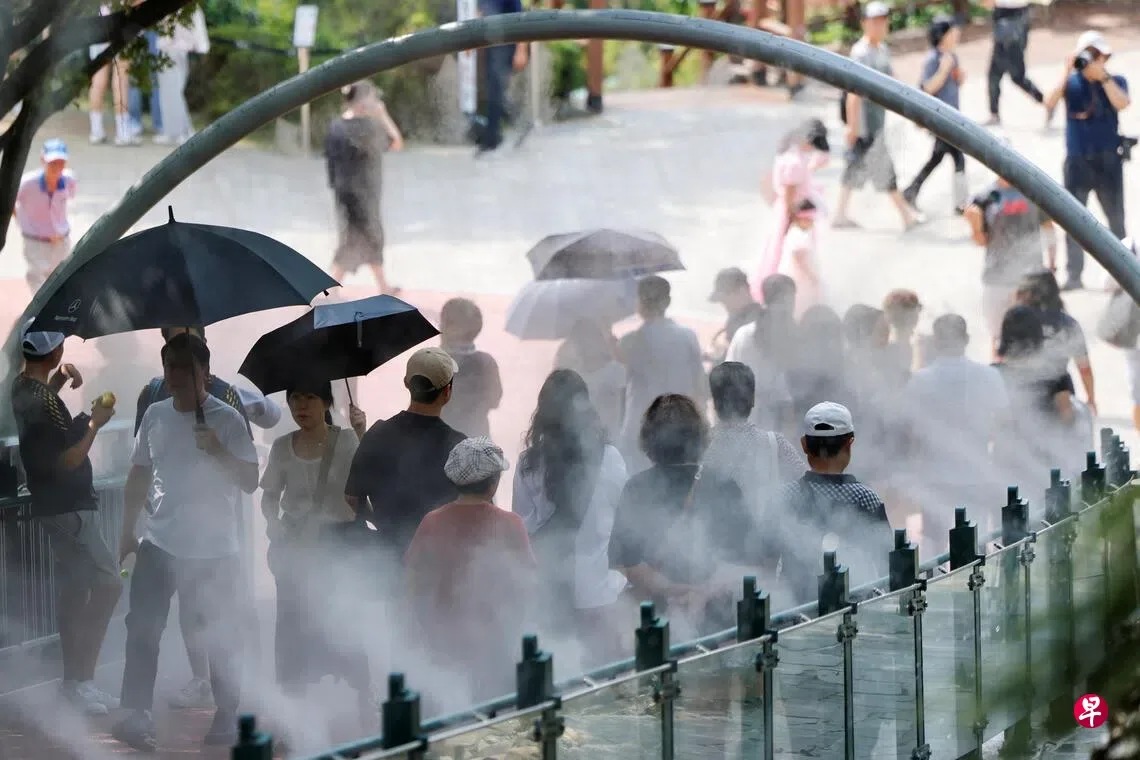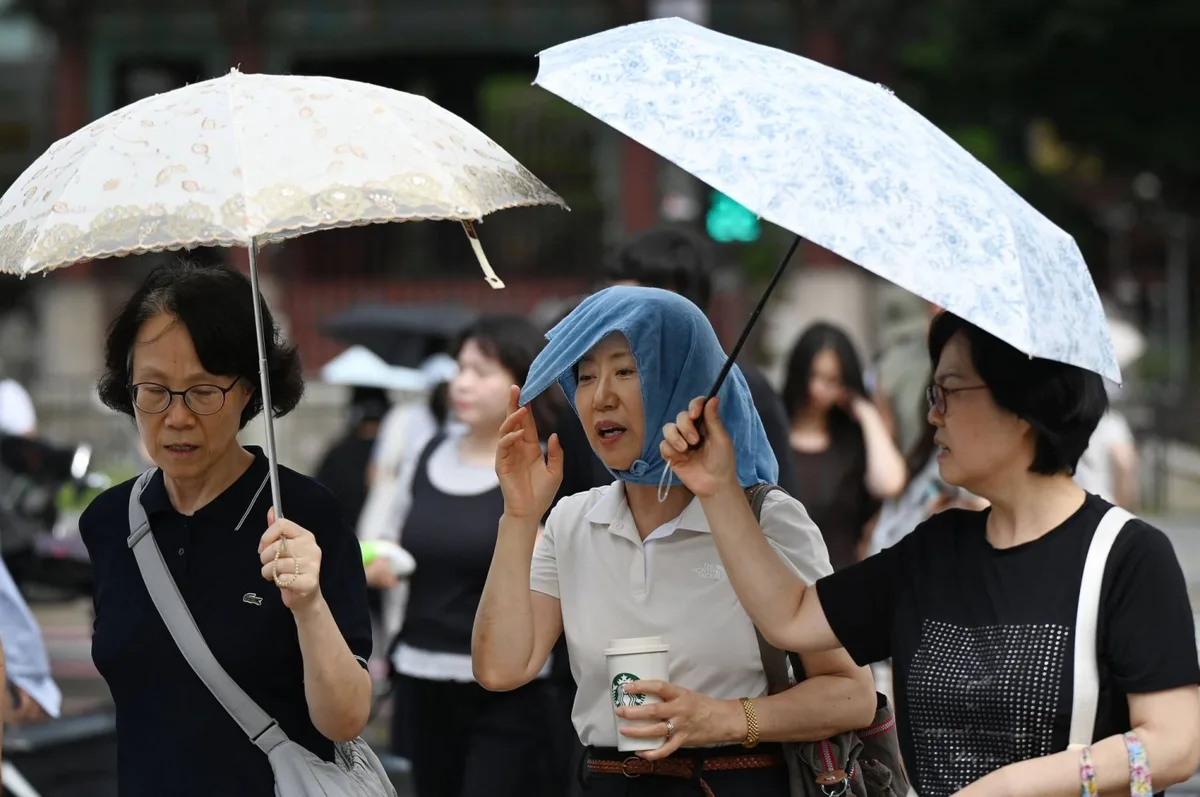
South Korea has endured a severe heatwave since mid-May 2026, reaching a record 42.5°C in Yangsan on August 2, the hottest in 122 years of records [1, 2, 3]. By August 5, authorities reported at least 23 suspected heat-related deaths nationwide and between 2,441 and 2,665 heat illness cases treated in hospitals since May 15 [4, 5, 6].
Seoul experienced temperatures nearing its 2018 record, with highs around 38-39°C and nighttime lows above 30°C, intensifying health risks especially for vulnerable groups [1, 4, 6]. President Lee Jae-myung declared the heatwave a national disaster on August 4, calling for urgency in mobilizing government resources and reforming disaster response mechanisms [1, 2]. He said, "South Korea has never experienced such extreme heat before; heatwaves once only seen in foreign news have now become a reality" [4].
The Korea Meteorological Administration upgraded their heat warning system on June 1 to include a 'severe heatwave warning' for persistent extreme temperatures [1, 7]. By early August, heat warnings covered approximately 25 million people in the Seoul metropolitan area and expanded nationwide [1, 8, 9].
The heatwave has caused deaths of more than 430,000 livestock and tens of thousands of fish, severely impacting southern and western coastal regions [1, 8]. It has also exposed social inequalities, with affluent districts like Gangnam well-equipped with air conditioning, while poorer areas suffer dangerously high indoor temperatures [10, 11].
President Lee emphasized protecting vulnerable populations, including elderly, single seniors, migrant workers, and low-income residents, urging all agencies to develop plans addressing extreme climate risks. He stated, "The government's most important responsibility is protecting the lives and safety of the people, and departments should devise measures suitable for extreme weather" [6, 12].
Domestic sports events were affected, with professional baseball games canceled due to health concerns for players and spectators amid the heat [2, 6]. High electricity demand for cooling prompted Lee to call for inspections of power systems to prevent outages [1, 7].
On August 6, President Lee chaired a government meeting reaffirming the full mobilization of resources and stressing the need to ensure stable water supplies during the ongoing drought [4, 7, 12].
South Korea’s heatwave coincided with heatwaves in Europe affecting countries like Austria, Slovakia, Italy, and Hungary, disrupting power and water supplies there [4].