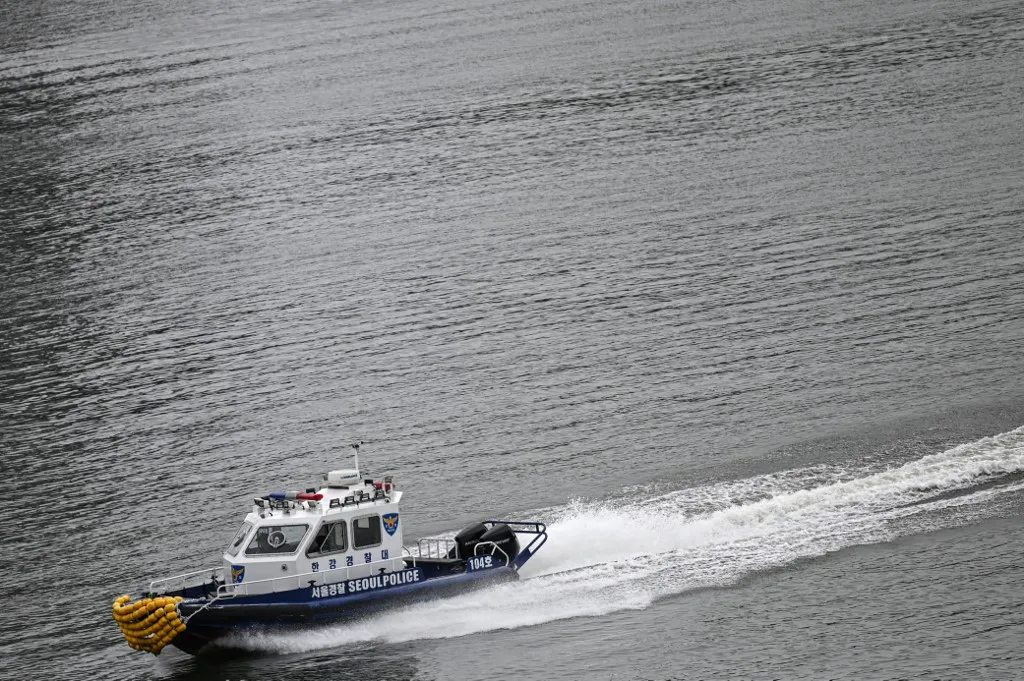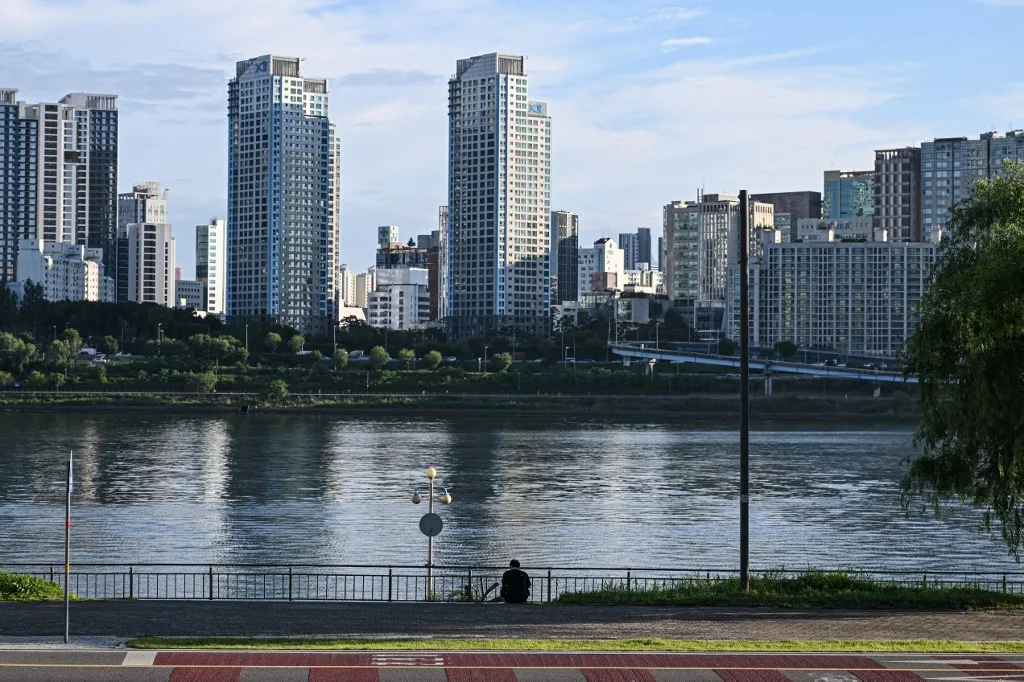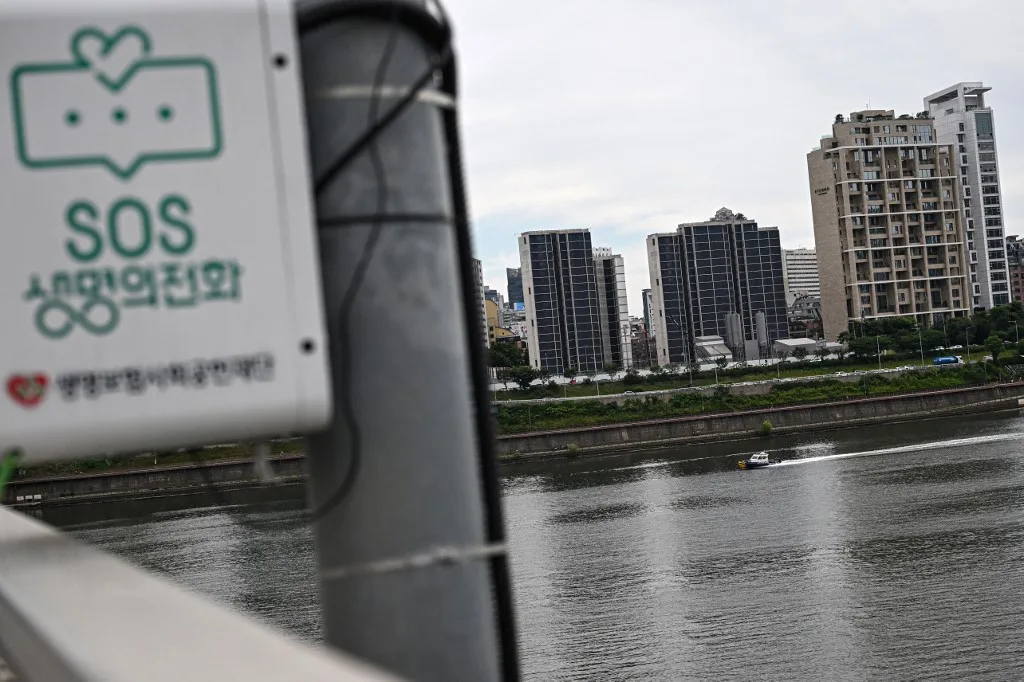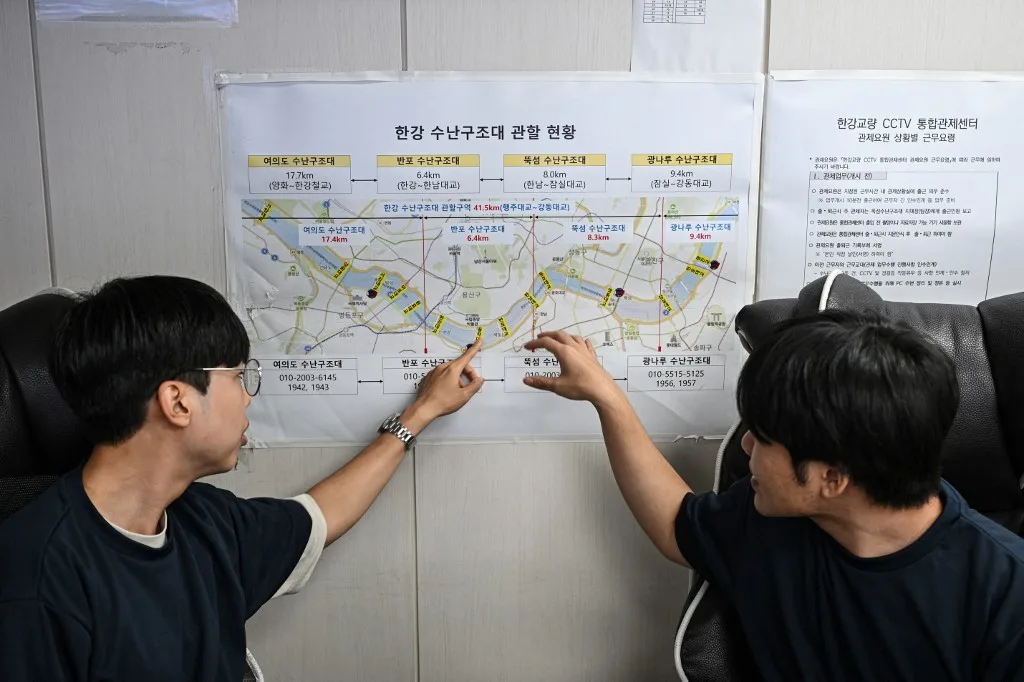
Seoul has operated an AI-driven surveillance system on its Han River bridges since 2021 that detects people suspected of suicide attempts and immediately alerts rescuers [1, 2, 3, 4]. The system covers 17 bridges with around 900 cameras as of 2025 and identified over 1,200 incidents last year, leading to a rescue success rate above 99%, up from 56% in 2012 before the AI system was deployed [1, 2, 3, 4].
The AI triggers alerts when someone lingers in designated risky areas, enters danger zones, or uses dedicated suicide-prevention phones installed on the bridges [1, 2, 3, 4]. Rapid response is crucial, with most emergency personnel able to reach incident sites within five minutes to save lives [1, 2, 3, 4]. Kim Jun-young explained, "We see our role as giving them one more chance to think it over, because it may not be the decision you want" [3]. He also noted the physical impact of falling from about 30 meters is similar to crashing a car at 60 km/h [1].
Despite the system’s effectiveness, about eight people could not be saved last year despite rescue attempts. Some individuals resist help, struggling physically or fleeing rapidly; last-second decisions often come upon hearing sirens [1, 2, 3, 4].
South Korea’s suicide rate remained a critical social issue in 2024, rising to over 29 per 100,000 people—the highest since 2011—and suicide remains the leading cause of death among those aged 10 to 49 [2, 3]. Yoo Jae-hyun said many suicidal individuals feel like a burden to others, believing things would be better if they were gone [2]. Relentless academic pressure, heavy workloads, and social stigma make coping and seeking help very difficult, particularly for people in their 20s, the largest group hospitalized after suicide attempts [2, 3].
A Japanese company, Asilla, developed the AI technology that supports Seoul’s system. The AI detects abnormal behavior like falls or potential jump attempts but cannot replace human intervention or alone reduce Japan’s high suicide rate [1, 2, 4]. Yuka Suzuki of Asilla said, "Proper mental health support is still often hard to provide, but even reducing these incidents slightly is significant" [1].
By 2025, Seoul’s AI surveillance system will continue monitoring the 17 Han River bridges with nearly 900 cameras while emergency responders maintain rapid access to intervene. Authorities aim to keep maximizing rescue efficiency amid ongoing efforts to address South Korea’s suicide crisis [1, 2, 3, 4].