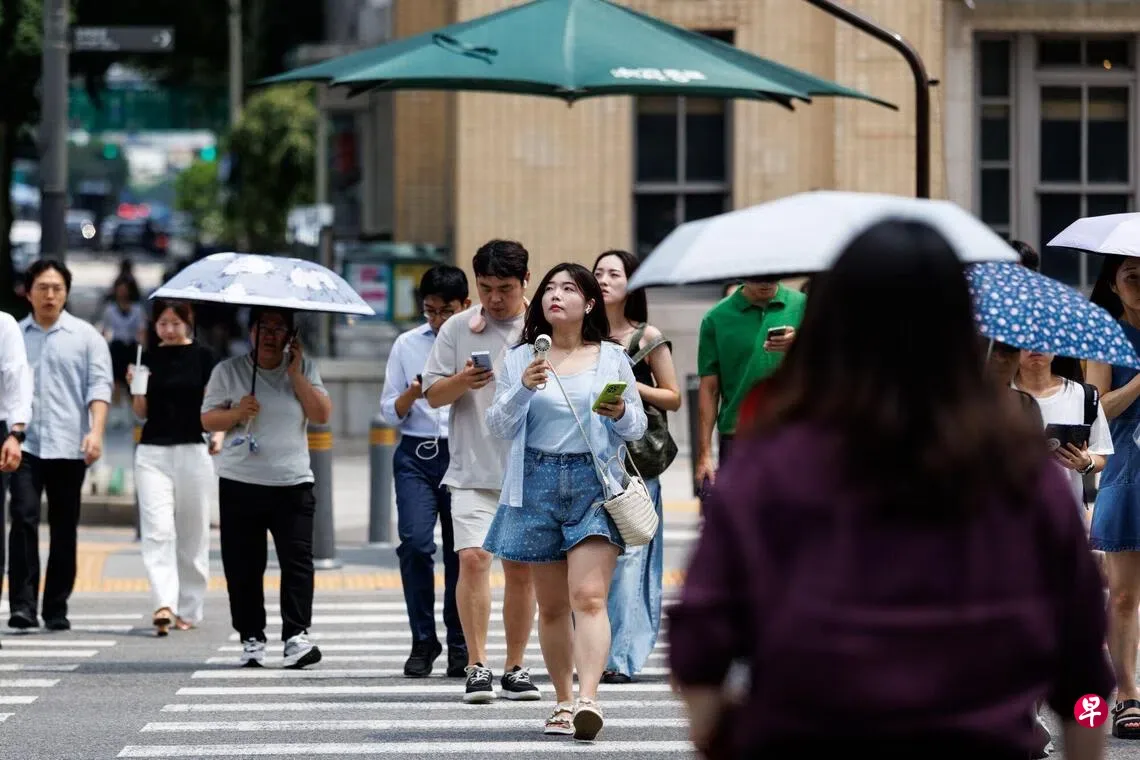
Yangsan in southeastern South Korea recorded a temperature of 42.5°C on August 2, 2026, the highest since modern meteorological records began in 1904, breaking a 122-year-old record [1, 2, 3, 4, 5]. The city experienced five consecutive days with temperatures exceeding 40°C during the ongoing heatwave [1, 2, 3, 4, 5].
Multiple other South Korean cities such as Daegu, Busan, Seoul, and Gwangju also recorded temperatures near or above 38°C, with some areas reaching or surpassing 40°C [1, 6, 2, 7, 8, 9]. Seoul saw 40.2°C on August 6 and 7, the first time its temperatures exceeded 40°C since 2018 [7, 8].
Authorities issued multiple high-level heat warnings, including "high temperature major alerts" covering over 40% of the Seoul metropolitan area as of August 5 [1, 6, 9, 10, 4, 5]. Heat-related illnesses in South Korea totaled 2,872 cases with 23 deaths reported by August 6, reflecting the deadly toll of the extreme heat [11, 8].
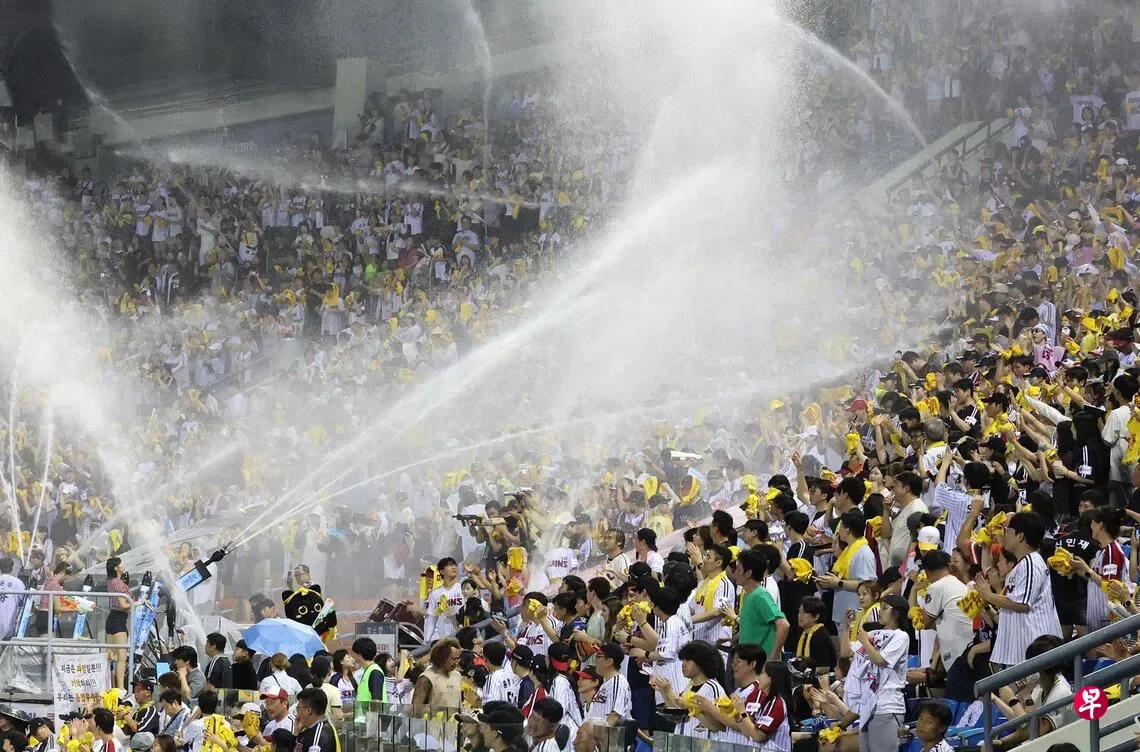
The heatwave forced the cancellation of several Korean Baseball Organization (KBO) games on August 5 and 6 due to spectator heat illnesses. The KBO announced that until September 6, all games will start at 7 PM to avoid daytime heat, and cancellation rules tied to local heat emergency declarations have been strengthened [11, 12, 5].
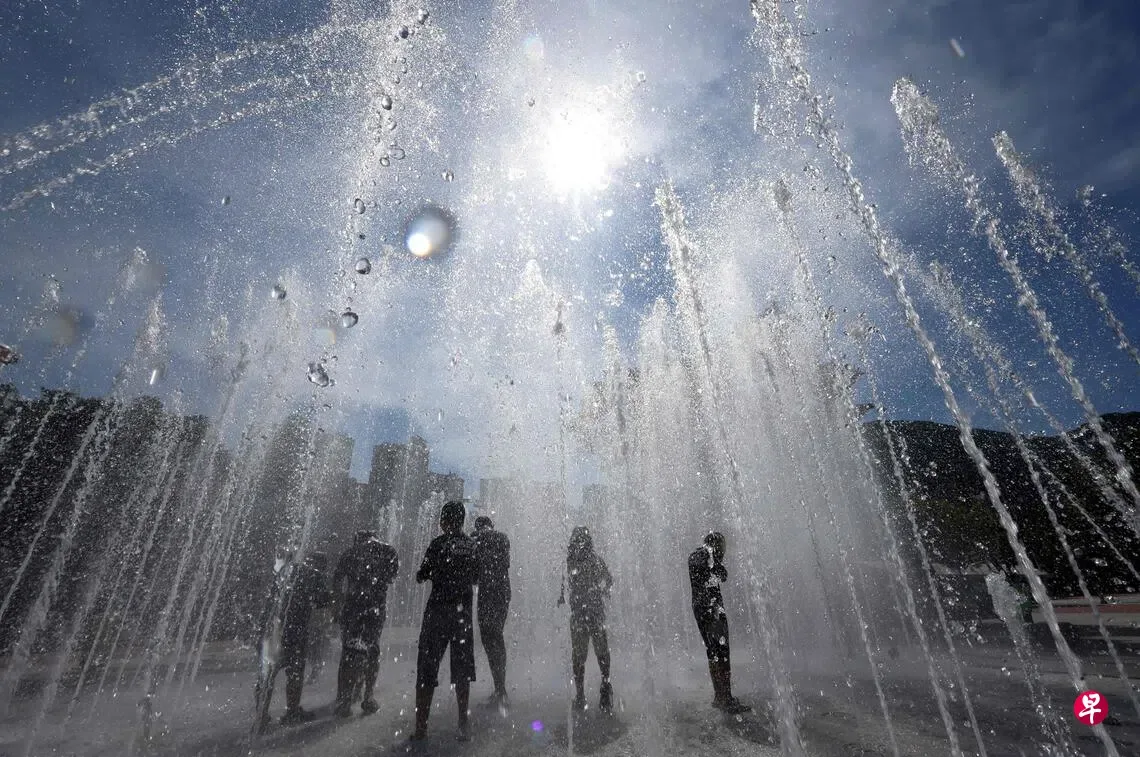
Seoul’s city government implemented heat mitigation measures such as outdoor misting stations, cooling centers for outdoor workers, and electricity subsidies for vulnerable populations. Mayor Oh Se-hoon said, "High temperatures are no longer just an inconvenience but a disaster threatening citizens' lives and health. The city will remain vigilant until the heatwave ends to protect vulnerable groups and frontline workers" [10].
The intense heat severely impacted agriculture and livestock, killing over 680,000 poultry and other livestock, as well as about 450,000 farmed fish across South Korea [7, 8]. The heatwave is attributed to a north Pacific high-pressure ridge causing downslope warming, worsened by El Niño effects [6, 5].
Yangsan office worker Ju Dong-yeol said, "It's so hot outside that I can't do anything except stay at home, malls, or cafes with air conditioning" [5].
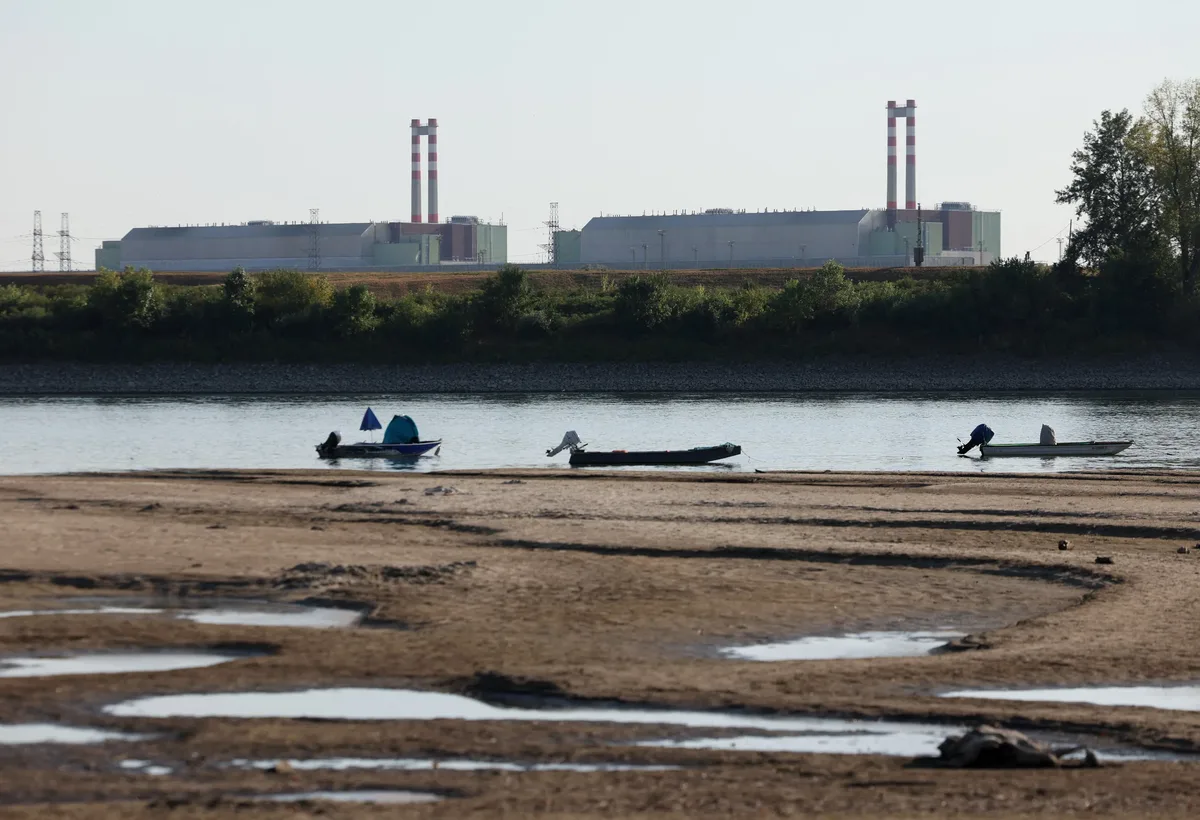
On August 1, Hungary’s Paks nuclear plant suspended operations due to historic low Danube water levels amid the broader regional heatwave, with the prime minister urging reduced electricity use as the heatwave intensified [1].
The KBO’s adjusted schedule starting August 7 aims to reduce heat exposure for players and fans until at least September 6 [12].