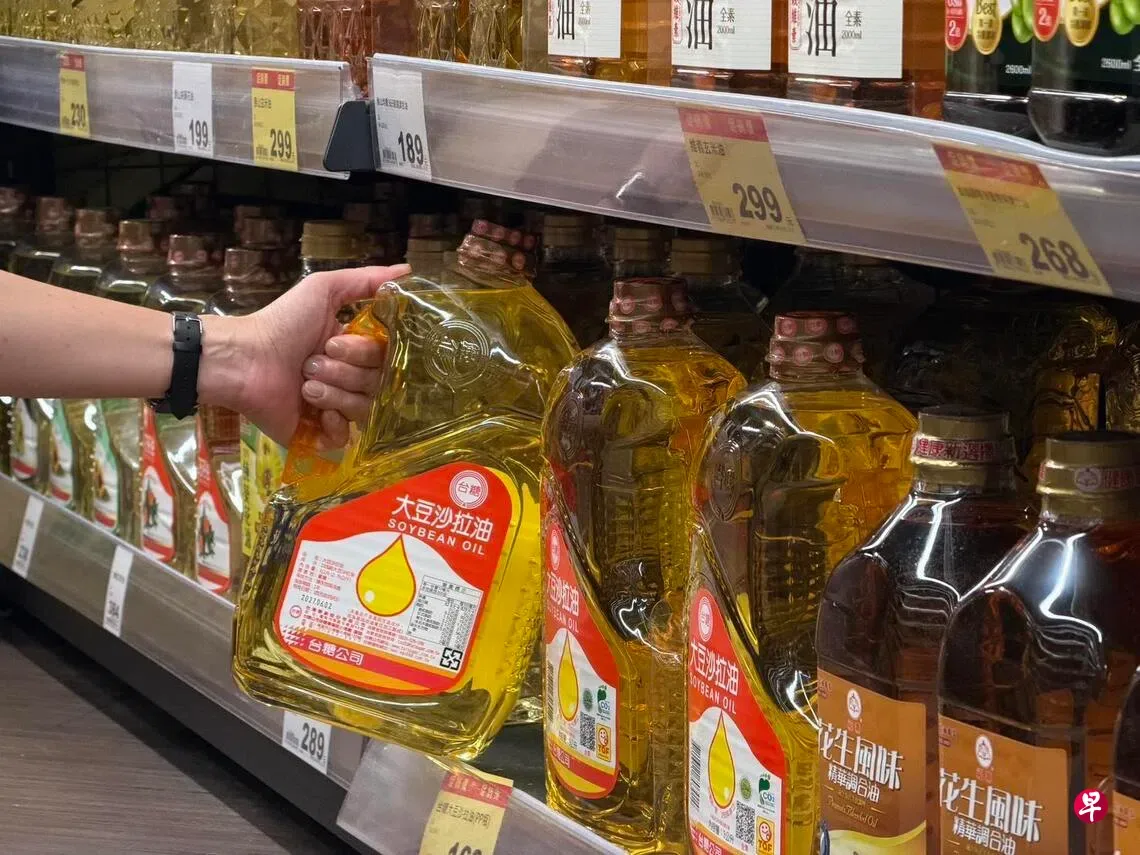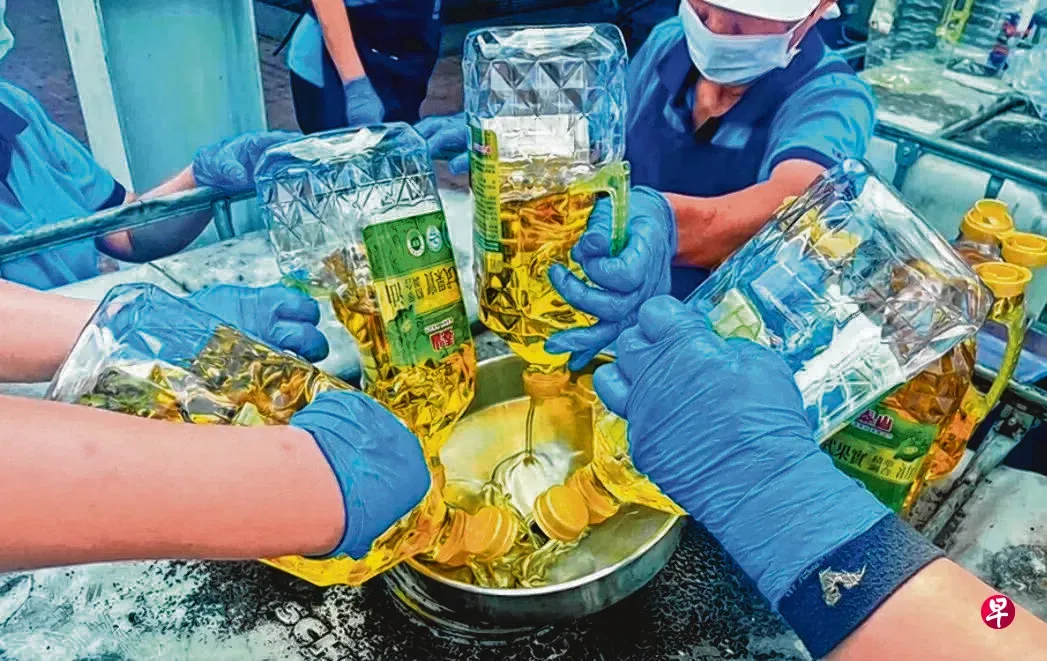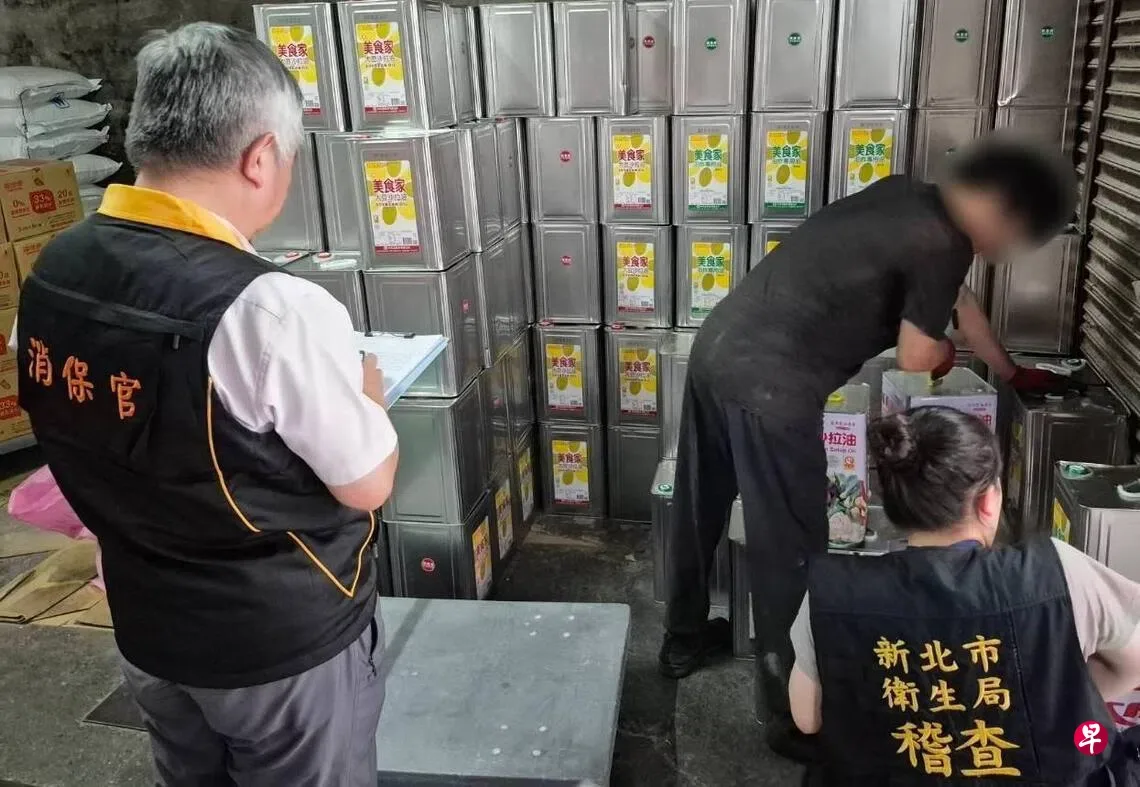
Taiwan's Zhonglian Oilfat produced about 1300 metric tons of soybean salad oil in early April 2026 that was contaminated with Benzo[a]pyrene (BaP), a Group 1 carcinogen linked to lung, skin, and gastrointestinal cancers, according to the WHO International Agency for Research on Cancer [1, 2].
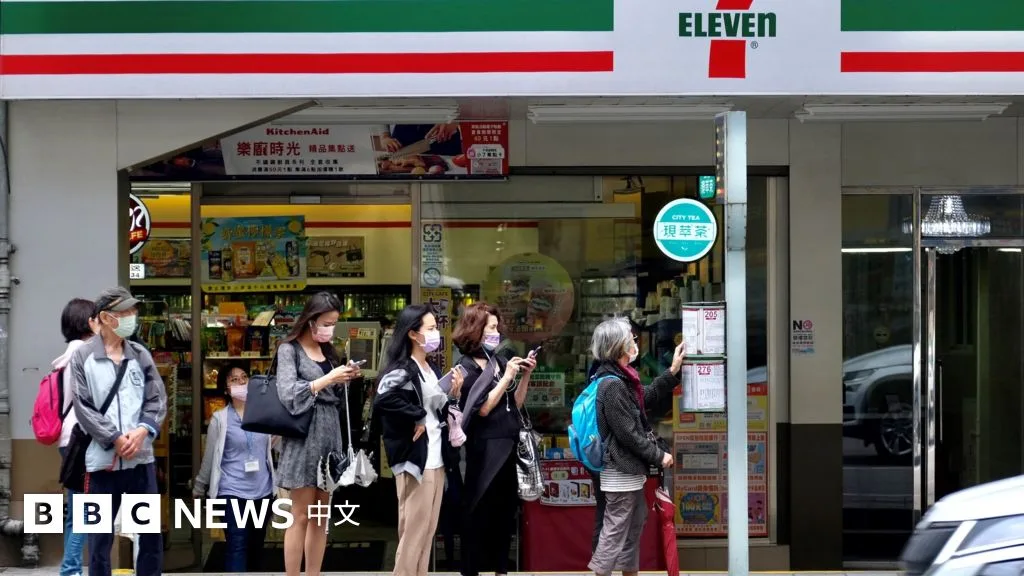
The contaminated oil was distributed to three major brands—Taishan, Fushou, and Fumao—which then supplied around 360 downstream companies including restaurants, supermarkets, food processors, schools, military welfare departments, hotels, convenience stores, and public sector entities such as 623 schools and 258 kindergartens [1, 3, 2].
Contamination was first detected by a downstream food company, Nanqiao, in May 2026. Nanqiao reported BaP levels exceeding legal limits, and sealed off affected inventory, while allowing returns of sold products [1]. However, Zhonglian delayed reporting to authorities until June 30, 2026, resulting in roughly a 50-day gap during which contaminated oils spread widely across Taiwan [3, 2].
BaP contamination levels measured up to 8.1 micrograms per kilogram, four times the legal limit [2]. Initial recall policies required removal only of products with over 20% contaminated oil content, but later the Ministry of Health and Welfare mandated full preventive recalls and removal of all affected products by July 8, 2026, due to public pressure [4, 5, 2].
Taiwan's Ministry of Health and Welfare imposed a record fine of NT$165.2 million (about SGD 7.1 million) on Zhonglian Oilfat for delayed reporting and inadequate investigation [4, 6, 5]. Taichung City Government fined Zhonglian, Fushou, and Fumao NT$3 million each for food safety violations [6, 7].
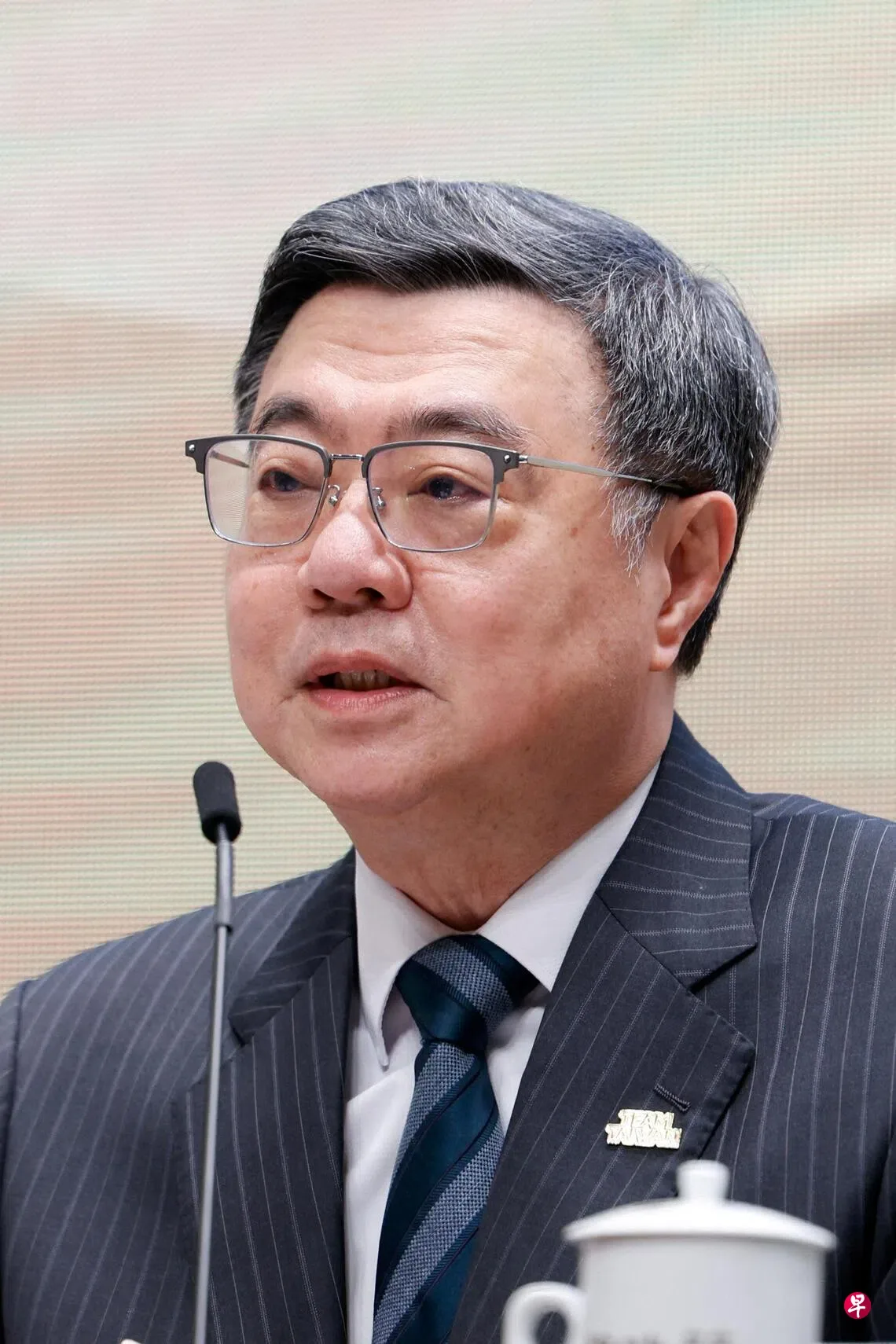
Taiwan President Lai Ching-te declared a zero-tolerance stance, stating, "Production must stop when necessary, products must be removed from shelves, preventive recalls must be done, and full accountability must be pursued without leniency" [3]. He emphasized the government's uncompromising attitude on food safety [8]. Health Minister Shih Chung-liang pledged to fully commit to public health and food safety efforts [4]. Taipei Mayor Chiang Wan-an criticized the central government for passive handling despite early reports in late June, saying it betrayed public trust [4].
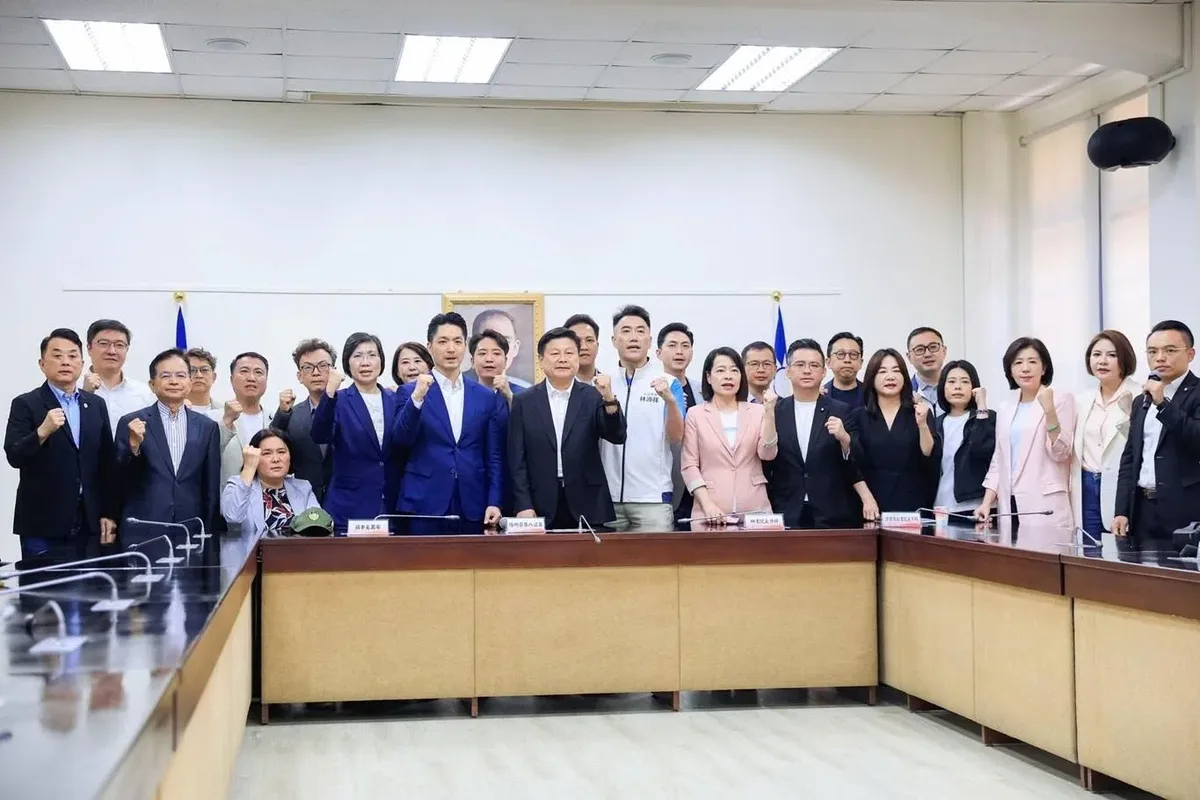
Opposition parties condemned delays and lack of transparency, demanding resignations of Health Minister Shih Chung-liang and Food and Drug Administration Director Chiang Zhi-gang, and filed legal complaints alleging negligence and cover-up [3, 5, 9, 10].
On July 9, prosecutors detained nine company executives, including Zhonglian's general manager Yu Lingchong, on suspicion of evidence tampering and collusion [11].
The contamination likely stemmed from heat damage and BaP formation during prolonged drying and fumigation of imported Brazilian soybeans used in production [2]. Taiwan law requires food producers to inspect each batch or every six months and immediately report health hazards [2].
The official deadline to complete preventive recalls and remove contaminated products from shelves was July 10, 2026, noon [10]. Authorities continue to monitor compliance across affected businesses.