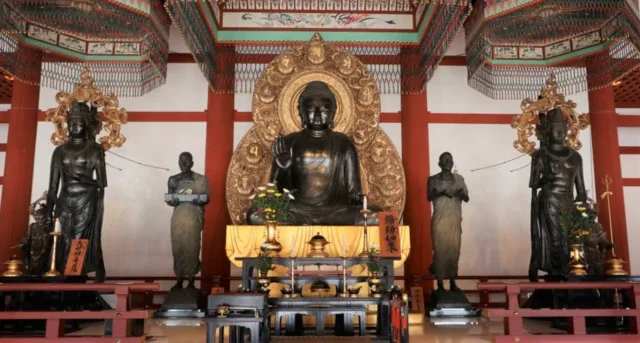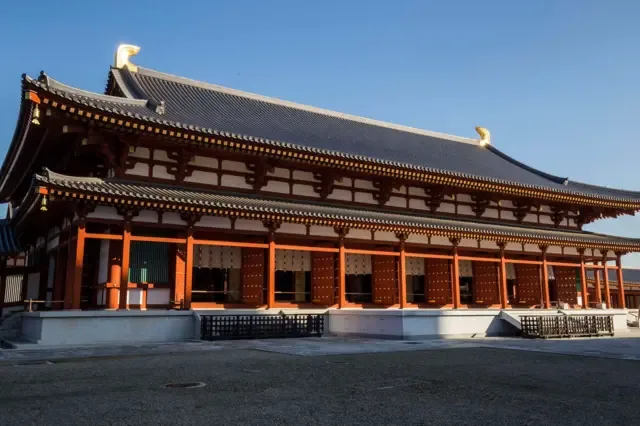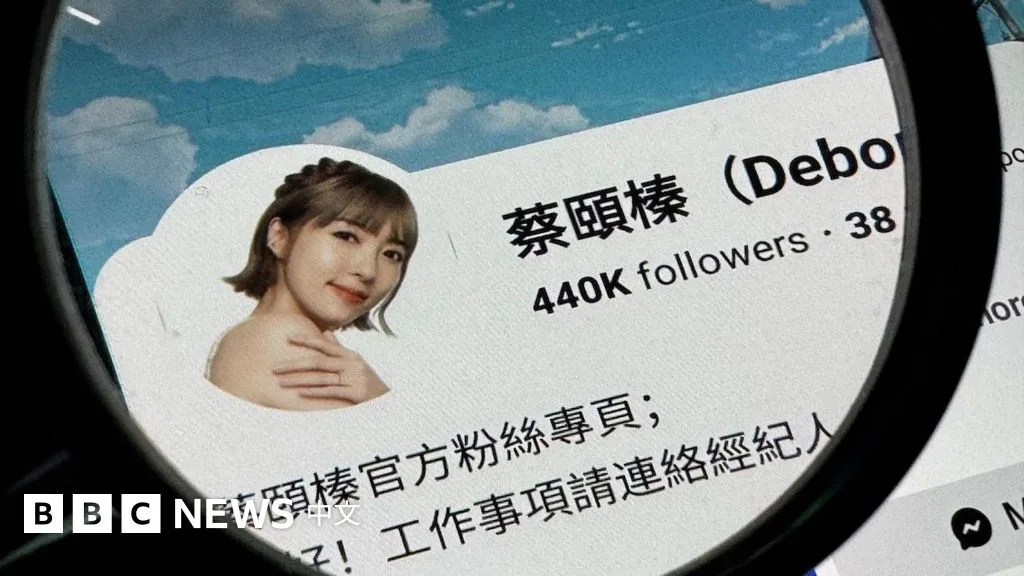
Tsai Yi-chen, a 39-year-old Taiwanese artist and TV host, was arrested by Japanese police on August 22, 2026, at Kansai International Airport upon re-entering Japan. She is suspected of violating Japan’s Law for the Protection of Cultural Properties for allegedly damaging the Buddha Footprint Stone at Yakushiji Temple in Nara in April 2026 [1, 2, 3].
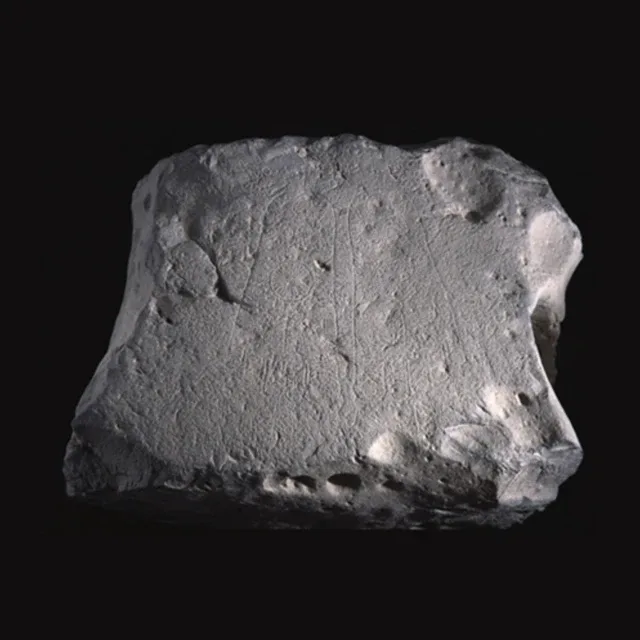
The Buddha Footprint Stone is Japan's oldest surviving Buddha footprint, created in 753 AD, and is designated as a nationally important cultural property [1, 2]. Tsai reportedly poured glycerin oil on the stone on April 6, leaving 1 to 2 centimeter-long stains [1]. She explained her actions by saying she "prays by pouring oil on things that move me emotionally" [1].
After the incident, Tsai left Japan on April 7 and returned to Taiwan before being arrested this month [2]. Authorities are investigating whether she has conducted similar acts at other cultural sites in Japan [1].
Tsai is a graduate of Taipei Huagang Arts School and won a Golden Bell Award in 2015 for hosting child and youth programs [1, 2]. Her older sister, actress Tsai Han-tsen, said she learned about the incident only through news reports and is still trying to understand the situation [4, 5, 6, 7, 2].
Tsai was formerly affiliated with the New Life Christian Fellowship, a charismatic Pentecostal church, but reportedly left the group years ago [1, 2]. Some online speculation links the oil pouring to religious anointing rituals, but Christian pastors stress that biblical anointing with oil is symbolic and should not harm cultural sites or infringe on others’ rights [1]. As one pastor put it, "Oil is not the Holy Spirit, oil has no magic. Mature Christian faith considers whether actions respect the dignity and rights of others and the cultural property involved" [1].
Taiwan’s Ministry of Foreign Affairs' Osaka office is providing consular assistance to Tsai according to regulations [1]. Public and media coverage in Japan has been extensive, reflecting strong respect for cultural heritage and concern over damage by a foreign national [1]. Online reactions have been sharply critical of Tsai, with backlash directed at her social media and sponsors [8].
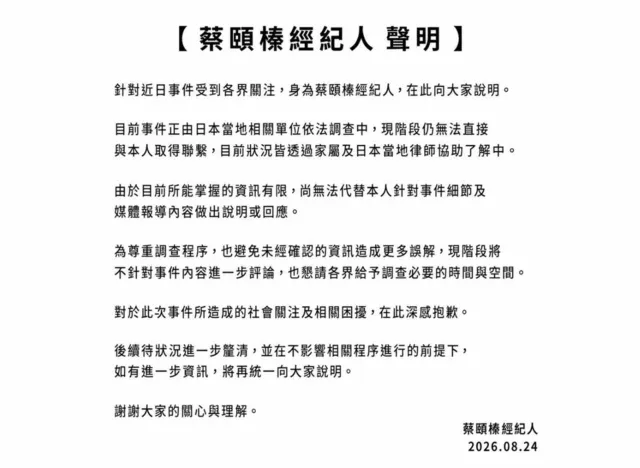
Tsai’s agency has not been able to contact her directly, communicating only through family and Japanese legal counsel as investigations continue [1, 3]. On August 24, the agency confirmed ongoing cooperation with the authorities [1, 3].