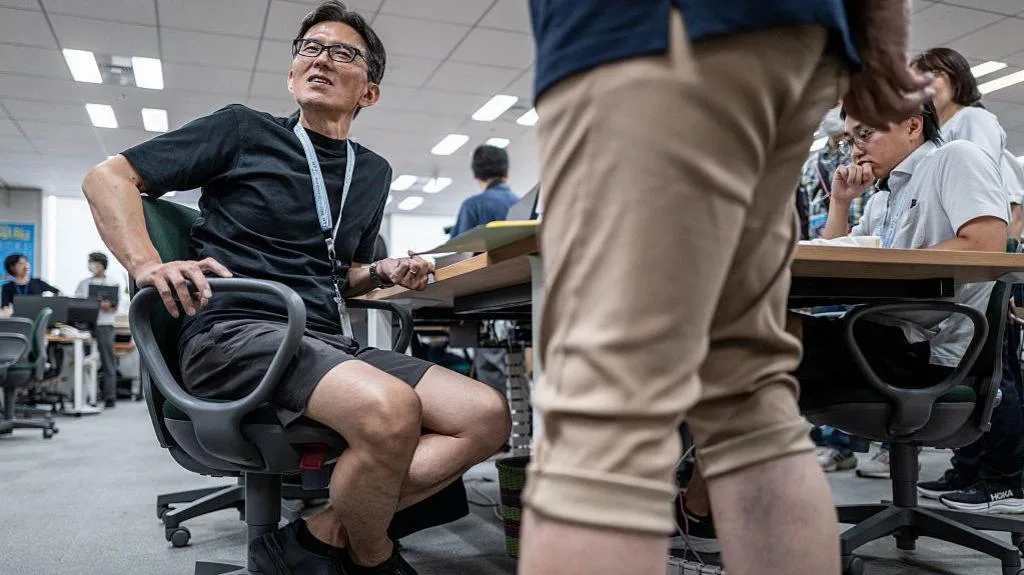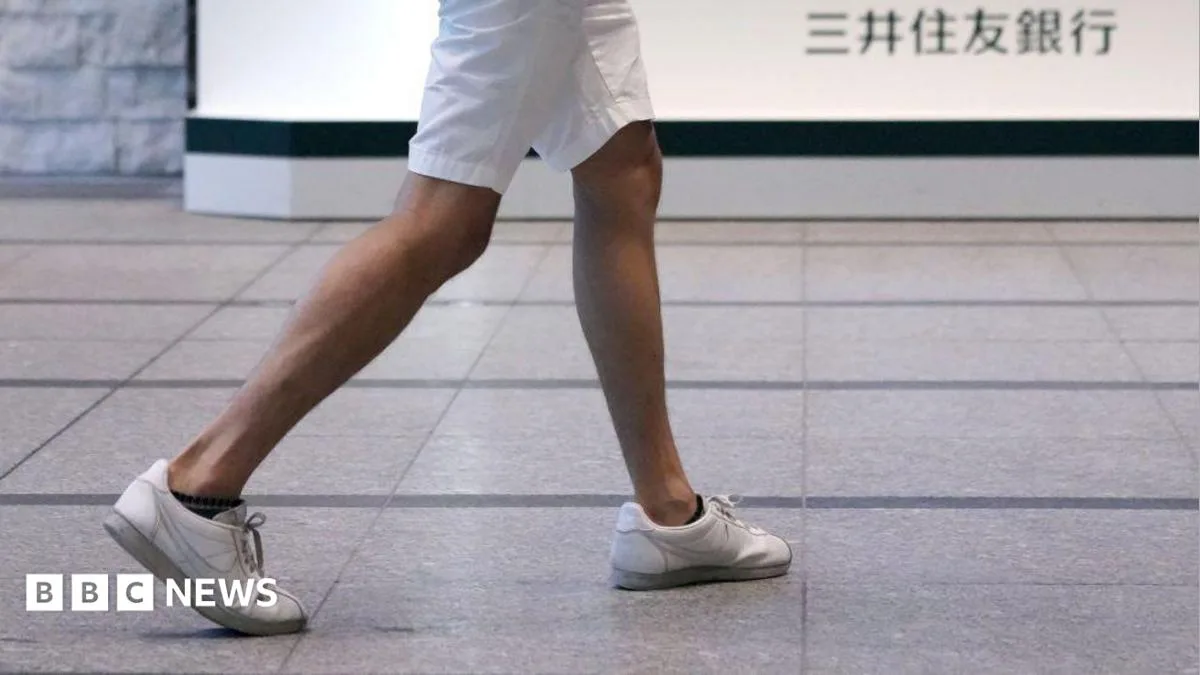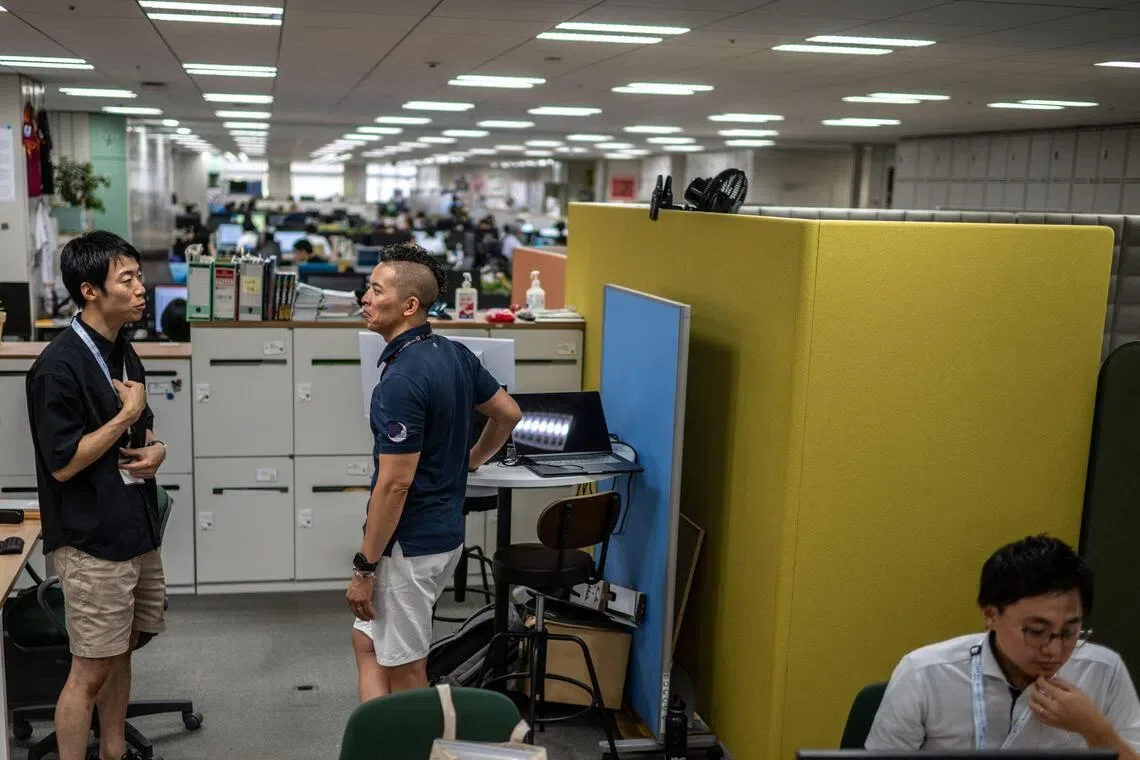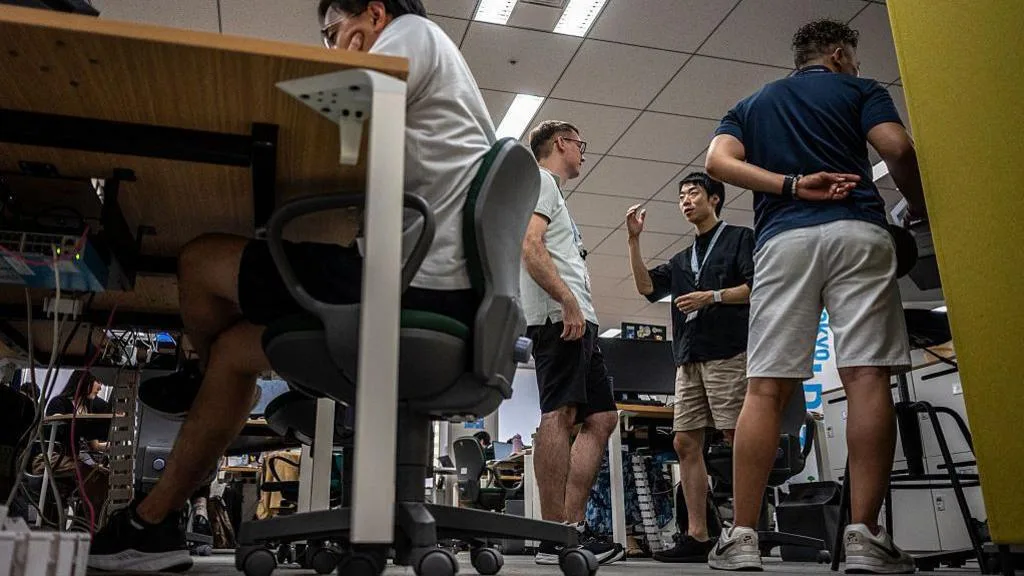
The Tokyo Metropolitan Government officially expanded its Cool Biz campaign in April 2026 to encourage office workers to wear casual clothing, including T-shirts, trainers, and shorts, to cope with record-breaking summer heat and reduce air conditioning use [1, 2, 3, 4, 5, 6, 7, 8]. The policy allowing men to wear shorts at work has been in effect for about four months by early August 2026 [1, 2, 9, 4, 5, 7, 8].
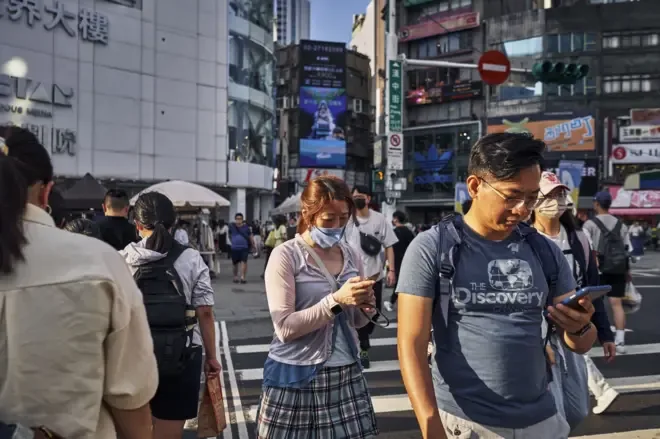
The summer of 2026 saw extreme heatwaves in Japan, with multiple "kosho-bi" or extreme heat days where temperatures topped 40°C. Between July 6 and 12 alone, seven people died and 4,580 were hospitalized due to heat stroke [2, 9, 4, 5, 6, 7, 8]. The introduction of shorts to the office dress code is partly motivated by rising energy prices and geopolitical tensions affecting supply chains, prompting efforts to reduce air conditioning use [2, 9, 4, 5, 6, 7, 8].
Despite the new policy, male employees wearing shorts remain a minority but appear more often, especially in startups and tech firms with casual workplaces [1, 2, 3, 9, 5, 7, 8]. Noboru Watanabe, an environmental official in Tokyo government, said, "We want to give people more options in the severe heat, not tell them what to wear. There should be no issue as long as the work attire is not offensive to anyone" [1].
The campaign has triggered debate about workplace gender dress codes and social etiquette. Critics say the policy is unfair because men can show bare legs, while women are still expected to wear tights or stockings. Online, a term "sunehara" or "leg hair harassment" has emerged to describe discomfort some women feel seeing male colleagues’ exposed hairy legs under the new dress code [1, 2, 3, 9, 4, 10, 5, 6, 11, 8].
A June 2026 survey by Gorilla Clinic, a men’s cosmetic and laser hair removal clinic, found 53.5% of respondents opposed men wearing shorts at work during summer, while 46.5% supported it [s1–s12]. Opposition was higher among women, who cited concerns about men’s body shape and body hair as major reasons, suggesting some resistance to seeing bare male legs in the workplace [s1–s12].
Some men are opting for laser hair removal to meet social etiquette when wearing shorts at work. Akifumi Funatsu, director of Gorilla Clinic, said, "More clients are seeking laser hair removal not just for cosmetic reasons, but as a matter of social etiquette when wearing shorts. Many women think men should have less leg hair" [1].
The Cool Biz campaign was originally launched in 2005 by then Environment Minister Yuriko Koike to encourage short-sleeve shirts and reduce suits in summer for energy savings, popularized by Prime Minister Junichiro Koizumi. It was further expanded after the 2011 Great East Japan Earthquake with the "Super Cool Biz" initiative to ease summer dress codes and save energy [1, 2, 3, 4, 5, 6, 7].
Tokyo’s government emphasizes that the Cool Biz campaign aims to increase clothing options during severe heat, not impose strict dress rules, as long as clothing does not offend others [s1–s12]. The debate over shorts at work, gender dress code equality, and etiquette regarding body hair is expected to continue as summer ends.