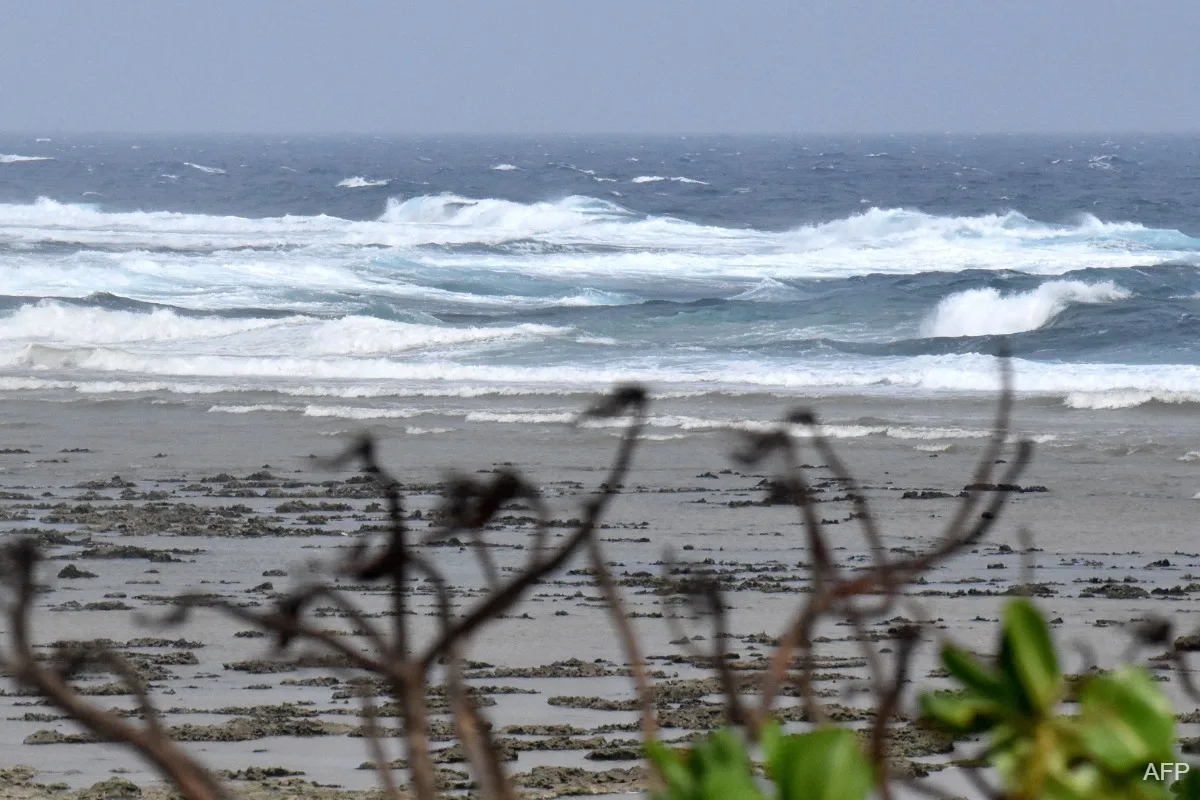
Typhoon Saudel made two landfalls on China’s eastern coast in Zhejiang province on August 28. The storm first hit Taizhou between 8:05 a.m. and 8:10 a.m., then made a second landfall in Wenzhou at about 9:10 a.m. The typhoon brought winds up to 126 kilometers per hour near its center at landfall [1, 2, 3].
The storm prompted major travel disruptions across the region. Ningbo Lishe International Airport suspended all operations starting late August 27, continuing into August 28, with numerous cancellations—16 inbound and 28 outbound flights were cancelled on the 28th alone. Airlines including Air China and China Southern Airlines offered free rebooking or refunds to passengers flying to or from affected hubs such as Shanghai between August 27 and 29 [1].
The Shanghai Passenger Ferry Company halted most ferry routes from 9 a.m. on August 28, except for the Changxing-Hengsha crossing [1]. China Railway Shanghai Group also temporarily suspended certain rail services on several Zhejiang lines from August 27 to 28 [2, 3].
Local authorities ordered large-scale evacuations. Wenzhou officials evacuated more than 820,000 people, while Taizhou suspended eight passenger ferry routes and identified around 52,000 residents in need of evacuation [2, 3].
Fujian province, neighboring Zhejiang to the south, activated its emergency response on August 27. Coastal construction projects were halted, and 57 passenger ferry routes were closed in preparation for the storm [2, 3].
The National Meteorological Centre maintained a red typhoon warning, the highest level in China’s four-tier warning system, as Saudel approached [1]. The U.S. Embassy in China advised American citizens to avoid coastal and storm-affected areas and stay updated on local information [1].
As Saudel moves further inland, continued heavy rainfall and possible torrential downpours are expected in Zhejiang, Fujian, Hubei, Guangxi, and Yunnan provinces [2, 3]. Authorities remain on alert for flooding and related hazards.