Western Europe experienced its hottest June on record in 2026, with average temperatures reaching 20.74°C, more than 3°C above the 1991-2020 average, breaking the previous record set in June 2025 [1, 2, 3]. The extreme heatwave affected over 410 million people across the region, with more than two-thirds enduring temperatures above 35°C between June 15 and 30 [1, 2, 3].
The June heatwave was driven partly by a "heat dome" effect—a persistent high-pressure system that trapped heat over multiple countries, resulting in record-breaking highs [1, 2, 4]. Samantha Burgess, strategic climate lead at ECMWF, said, "We will see more heatwaves in a warmer world. They will be more intense and they will last longer, and they will impact more geographical areas" [1]. She added that high humidity led to consecutive tropical nights, offering little nighttime relief [3].
Heat-related deaths surged during the heatwave. Germany reported over 5,100 deaths linked to the heat, while Belgium recorded 1,747 excess deaths during June [5, 6]. France was also heavily impacted by the relentless heat and related health emergencies [1, 7].
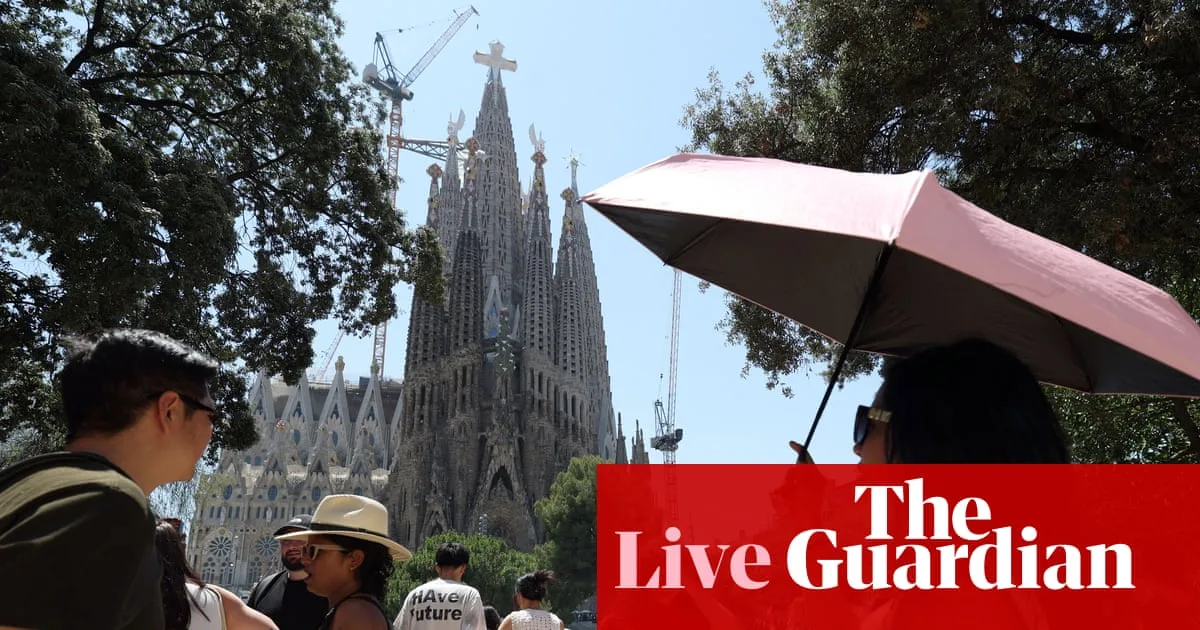
Southern Europe battled severe wildfires fueled by dry, hot conditions. Spain and France saw tens of thousands of hectares burn in July, with Spain losing 55,128 hectares and France 35,400 hectares to wildfires [8, 7]. Barcelona recorded its highest temperature in 112 years on July 7, hitting 40.7°C as the heatwave continued into early July [9, 7].
The UK faced its third heatwave of 2026 in early July, with temperatures reaching up to 36°C and multiple regions issuing health alerts [8, 9, 5].
Europe’s largest trade unions, representing 12.6 million workers, called on the European Commission to set legal maximum workplace temperatures to protect workers from heat stress. They proposed suspending high-intensity work above 30°C. Tom Deleu, secretary general of the European Federation of Building and Woodworkers, said, "Extreme weather is now a workplace reality across Europe... workers are still being sent into increasingly extreme weather conditions without clear and enforceable protections" [10]. Paul Nowak, TUC General Secretary, emphasized the need for new laws and climate action to adapt to more frequent heatwaves [10].
Globally, June 2026 was the second warmest June on record, with an average temperature 0.56°C above 1991-2020 levels and 1.39°C above pre-industrial averages. Ocean surface temperatures worldwide also hit record highs, partly fueled by a strengthening El Niño pattern [1, 8, 2].
Experts agree the rising intensity, frequency, and duration of European heatwaves stem from human-induced climate change. Friederike Otto, climate science professor at Imperial College London, stated, "The heat we have seen this summer is only possible because of the 1.4C of climate change we have to date" [5].
On July 9, European trade unions formally urged the European Commission to enact maximum workplace temperature regulations to protect millions of workers from heat stress [10].