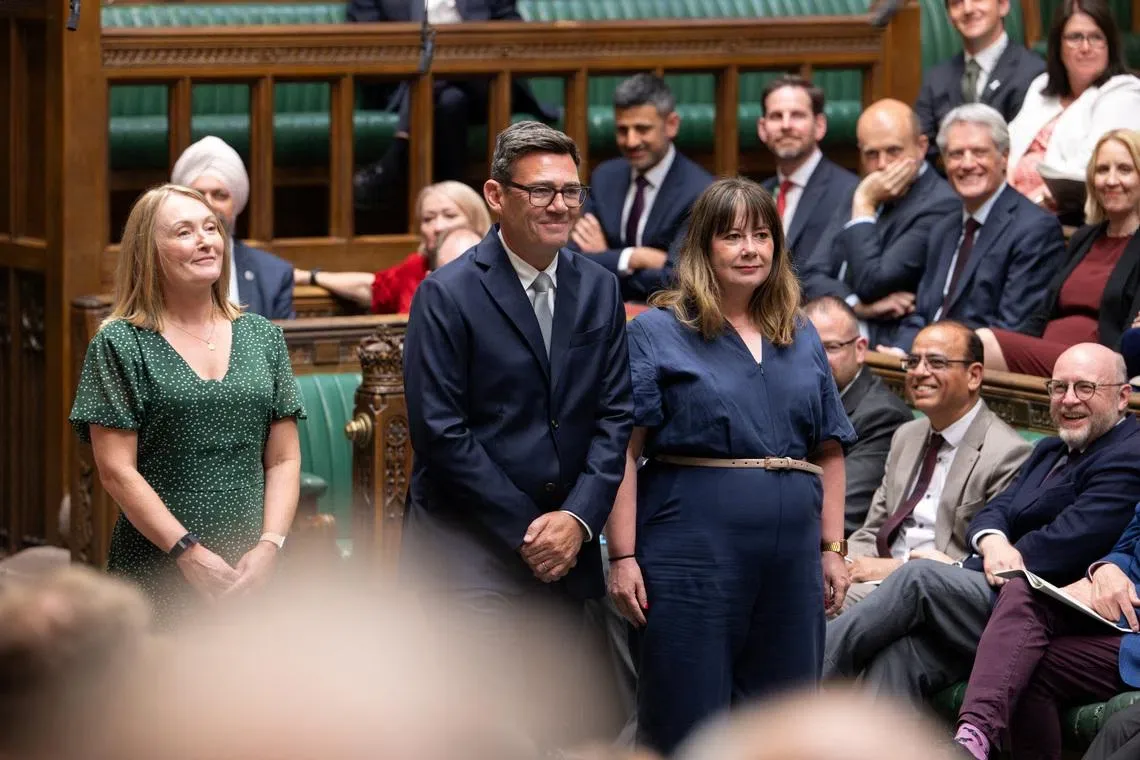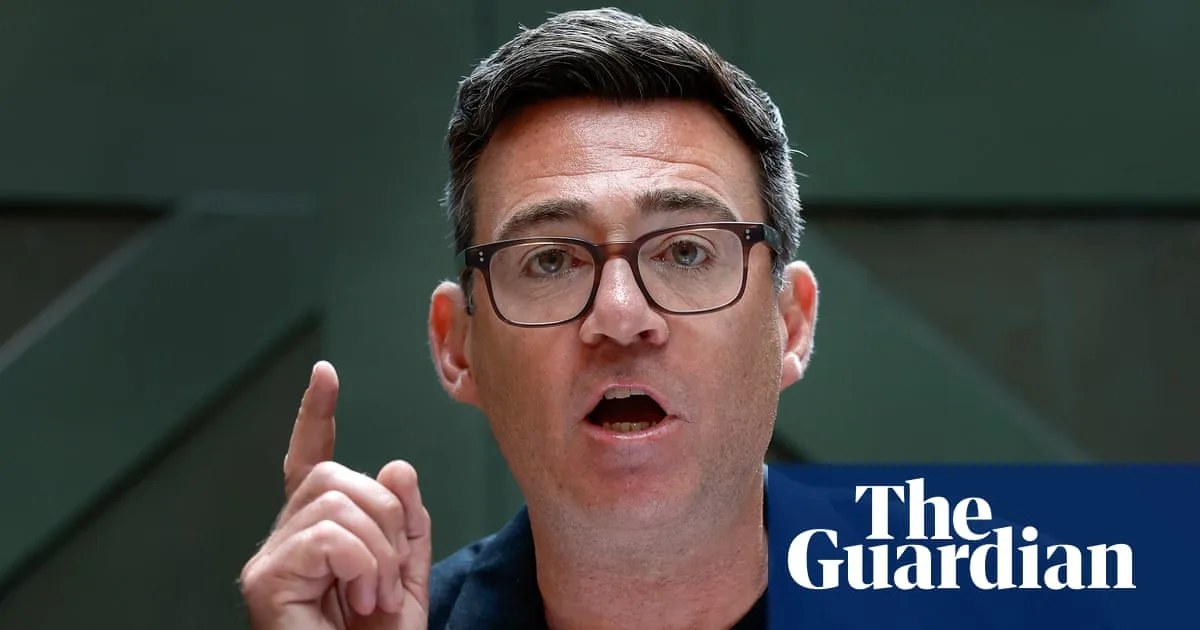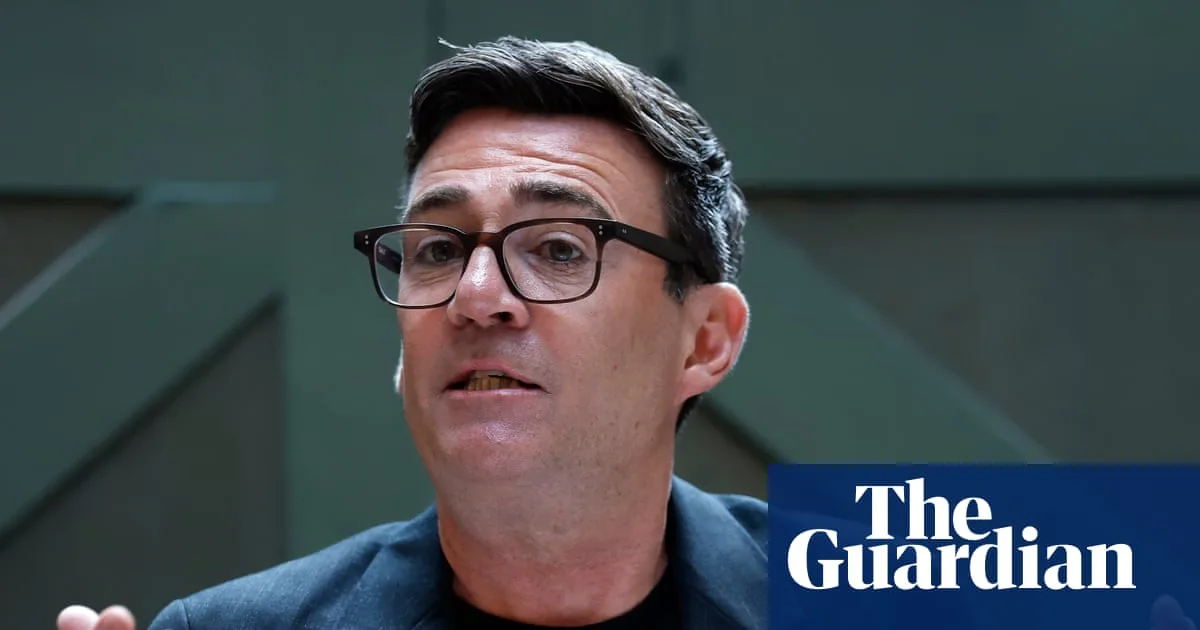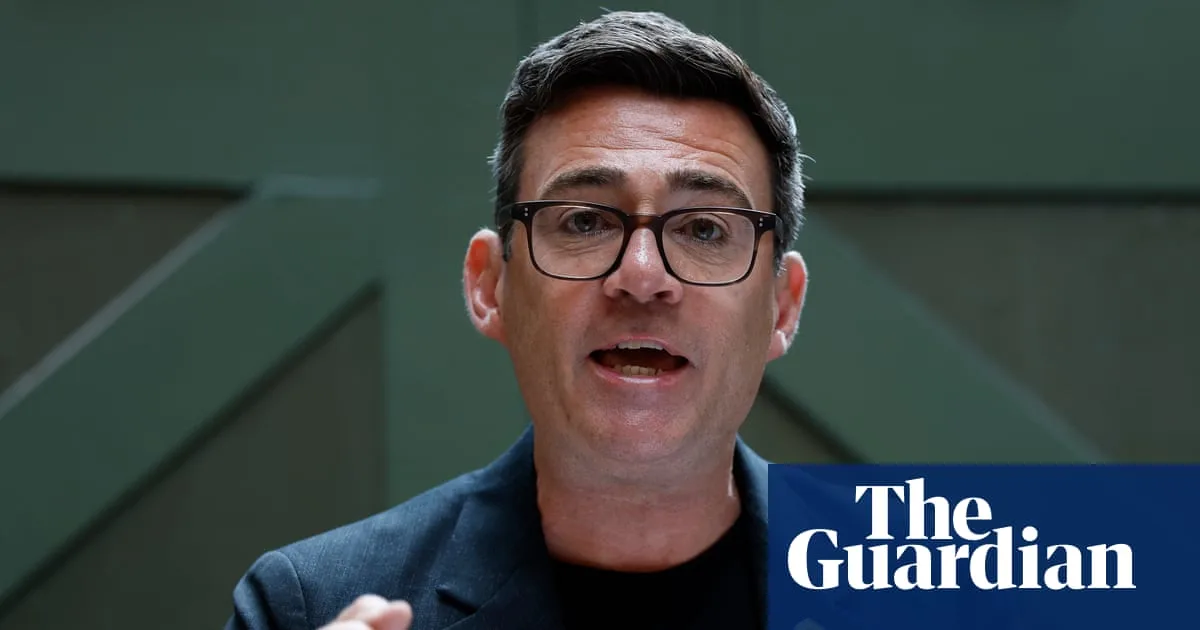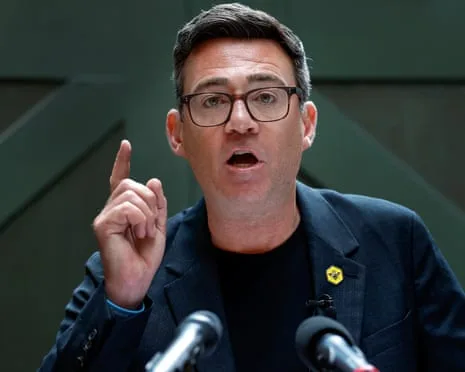
Andy Burnham is the only declared candidate to succeed Keir Starmer as UK Prime Minister and could assume office by mid-July 2026 [1, 2, 3, 4, 5, 6]. On June 29, Burnham delivered a major policy speech in Manchester outlining plans to devolve power from London to the UK’s regions and local communities [1, 2, 3, 4, 5, 6].
Burnham announced he will establish a "No 10 North" hub in Manchester to serve as a nerve centre overseeing the redistribution of power and resources across the country [2, 7, 8, 9, 10]. He declared, "The change will be driven through the prime minister’s office in an extended operation based here in Manchester" [10].
His vision spans 10 years and focuses on raising living standards through reindustrialisation, increased housing construction, infrastructure investments, and reforming utilities such as water, energy, and transport [1, 2, 3, 4, 5, 9]. Burnham pledged the largest council housebuilding programme in the UK since the postwar period [2, 7, 9]. Housing Minister Steve Reed endorsed Burnham’s approach, saying he "will stick to the fiscal rules that have delivered this country stability in the economy for the first time in over 15 years" [4].
Burnham promotes increased public ownership and control of essential services and advocates a business-friendly socialism that opposes neoliberalism [2, 5, 6]. He emphasized empowering local authorities with devolved fiscal powers by default, including taxation, skills, and industry decisions — reducing the need for Whitehall approvals [11, 9, 6]. Deputy Labour Leader Lucy Powell said, "Andy wants communities in every part of Britain to seize their own agenda" [5].
Burnham also committed to reforming Westminster and Whitehall culture to empower backbench MPs and reduce adversarial civil service patterns [11]. Acknowledging fiscal concerns, he said he will adhere to rules balancing spending with revenues and reducing debt, aiming to calm market fears despite earlier controversial remarks about bond markets [1, 7, 4, 5, 6].
He indicated a cost-of-living support package would be considered soon after taking office to assist households facing rising bills [2, 7]. Speaking on June 29, Burnham said, "Westminster has not been working for people and it has not been working for a very long time. In fact, it is broken. And as a result, the country isn’t where it should be. It is stuck in a rut, and clearly we can’t go on like this" [2]. He added, "I will do my very best to deliver it, and whilst not taking risks with the public finances, will seek to give Britain some breathing space as soon as I can. People need to be able to look forward to a night out or a holiday with the kids. People need hope" [2].
Burnham’s leadership would make him the seventh UK prime minister in a decade [1, 4, 5, 12]. The key milestone remains his expected installation as prime minister by mid-July 2026 [2, 3, 4, 5, 6].