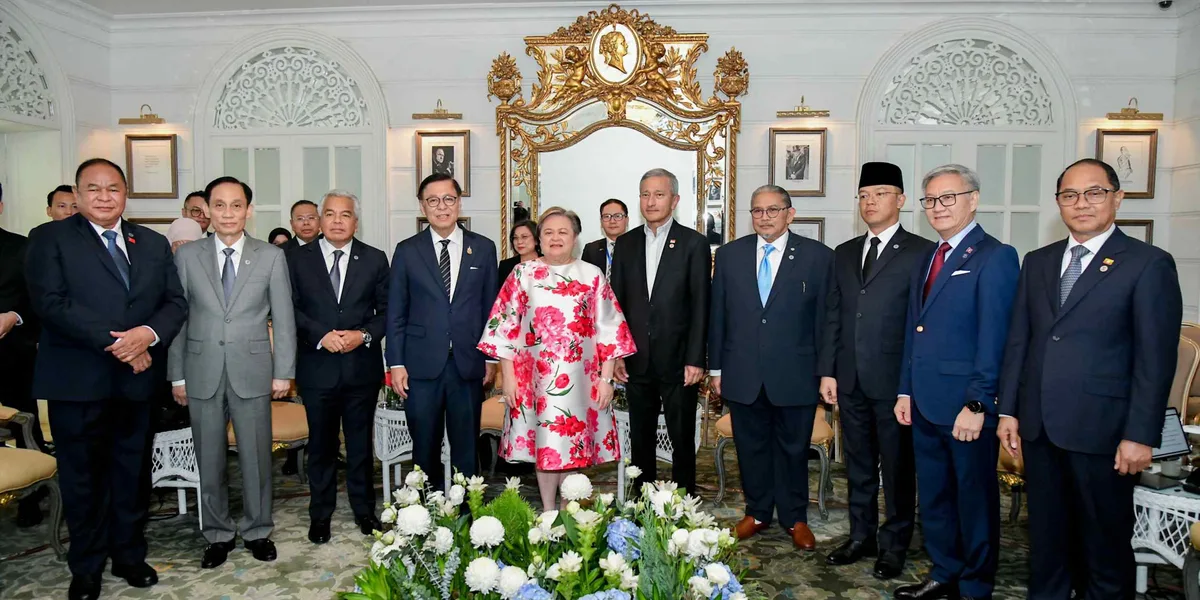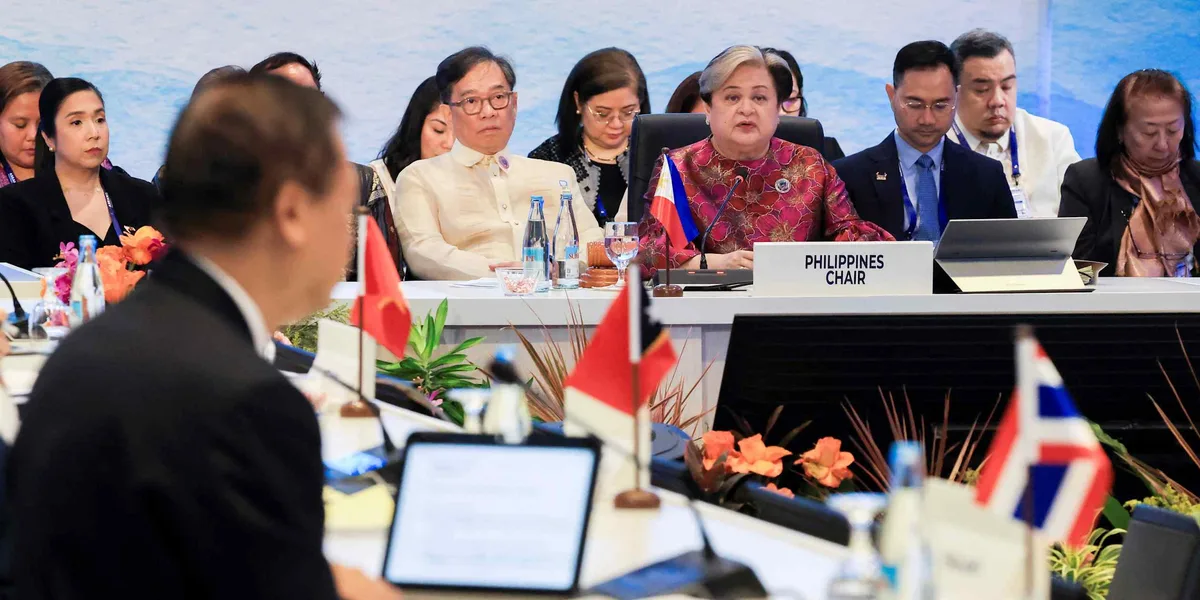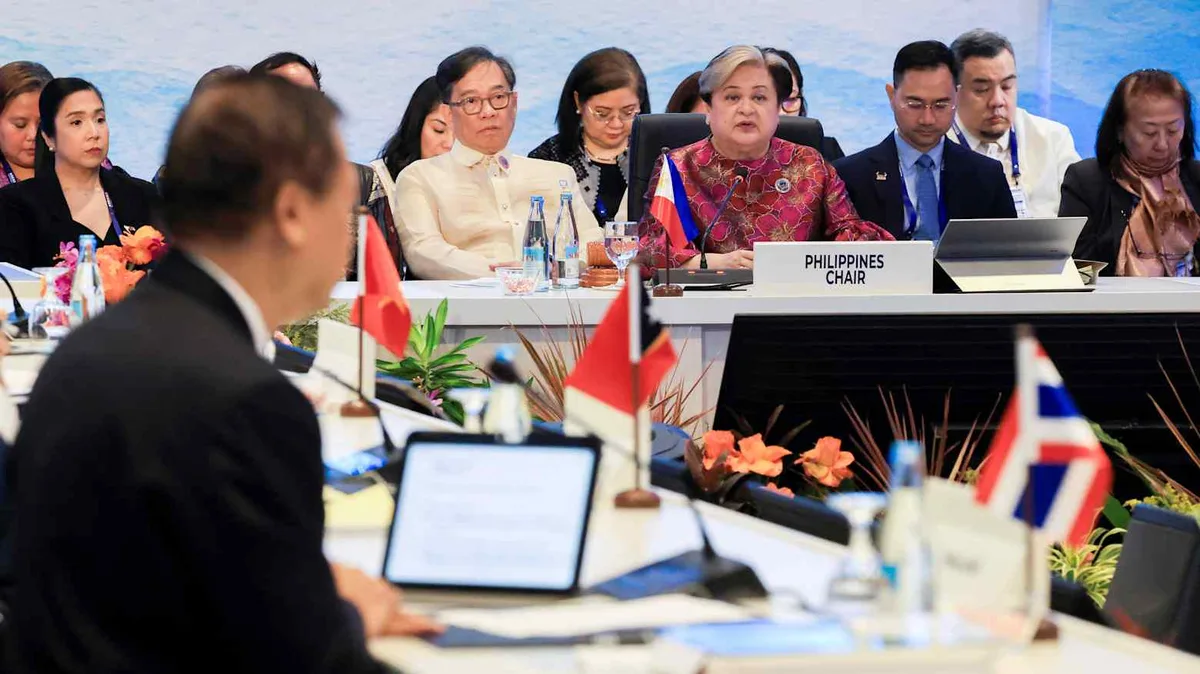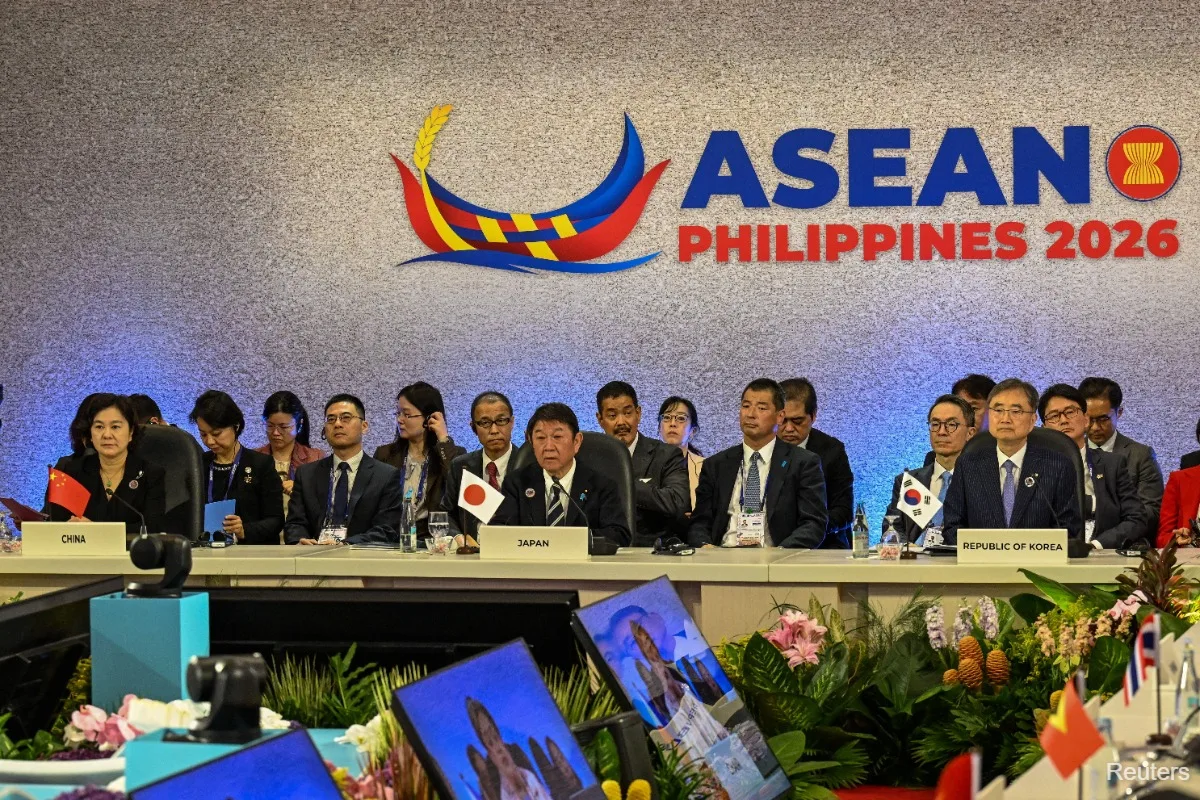
The 59th ASEAN Foreign Ministers' Meeting was held in Manila from July 21 to July 24, 2026, with ASEAN's 11 member states and dialogue partners including China, the US, Russia, Japan, South Korea, Australia, and India attending [1, 2, 3, 4, 5]. Philippine Foreign Affairs Secretary Maria Theresa Lazaro, serving as ASEAN chair, opened the meeting urging unity and collective action in the face of multiple regional security challenges and global uncertainty. "We do not just drift with the tide; we steer the ship as we chart the course," Lazaro said, stressing the urgency of cooperation [2, 4, 5].
Ministers discussed key issues including Myanmar’s stalled peace process, tensions along the Thailand-Cambodia border, disputes in the South China Sea, and the impact of Middle East conflicts on energy and food supply chains. The economic fallout from global crises also featured prominently, with ASEAN’s combined GDP estimated at US$3.8 trillion and high regional dependence on Middle East oil making stability critical [1, 3, 4, 5].
The meeting produced calls for the peaceful settlement of disputes, reaffirmed ASEAN centrality in regional affairs, and continued dialogue on the South China Sea Code of Conduct. Security risks including nuclear threats and autonomous weapons were highlighted as growing concerns [4, 5].
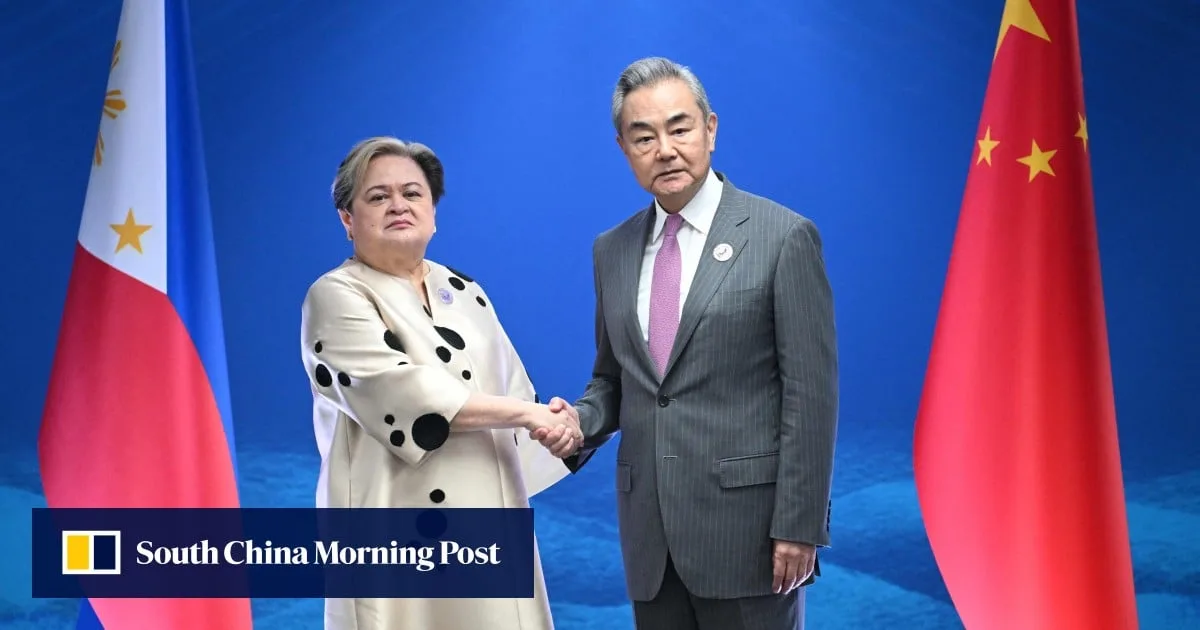
A bilateral meeting between the Philippine and Chinese foreign ministers took place on July 22, where both sides exchanged strong protests over a July 20 South China Sea maritime encounter near the Second Thomas Shoal. The Philippines accused Chinese Coast Guard personnel of using violence against Philippine navy staff, while China charged Philippine vessels with aggressive acts including ramming [6, 7, 5]. Both agreed to maintain communication channels and pursue practical measures to manage the dispute [6, 7].
The ASEAN ministers adopted a joint communique reaffirming regional commitment to peace, security, and stability while urging restraint amid heightened tensions in the Middle East and other global flashpoints [5]. The group reiterated the Five-Point Consensus as the framework to address the Myanmar crisis and discussed a potential multi-year special envoy appointment [5].
Throughout the meetings, there were around 120 bilateral talks, including major powers such as China, the US, and Russia. The Quad countries—US, Japan, Australia, and India—reaffirmed their support for ASEAN unity and centrality. They discussed cooperation on maritime security, economic prosperity, emerging technologies, and humanitarian aid [8]. Japan, South Korea, Australia, and New Zealand also held Post-Ministerial Conferences with ASEAN on July 22, focusing on supply chain issues, Middle East instability, AI, climate change, and strategic competition [9].
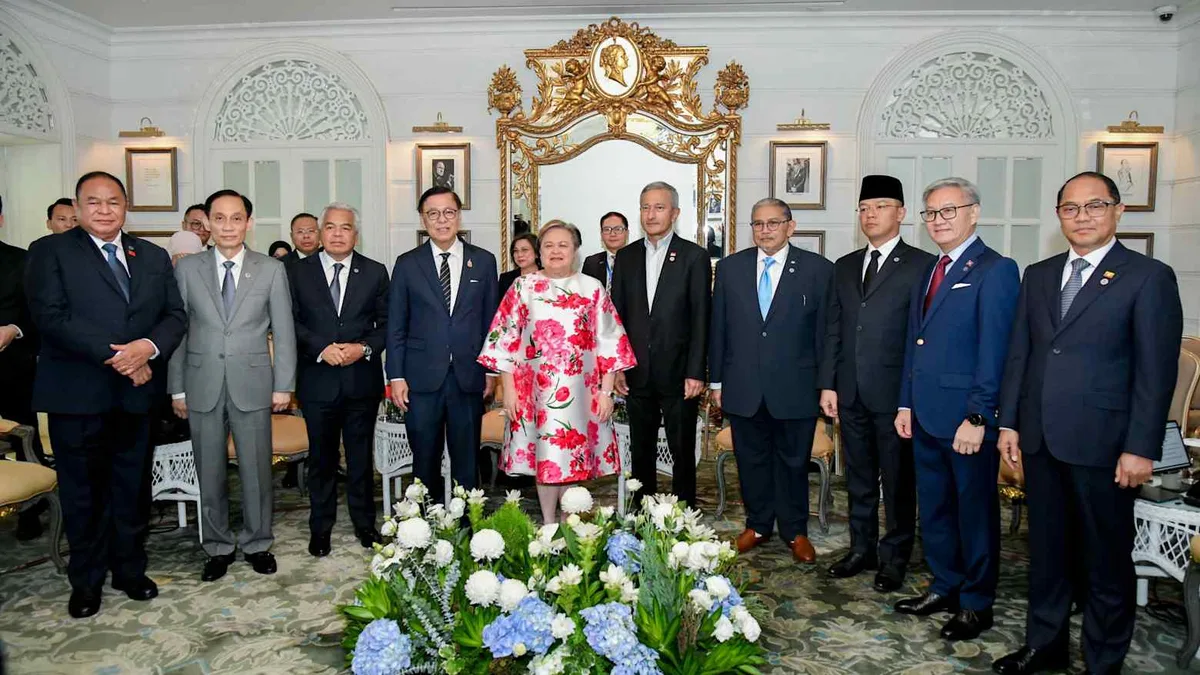
On July 12, ASEAN foreign ministers had met informally in Bangkok ahead of the Manila meeting. The formal sessions from July 21-23 culminated in the adoption of the joint communique and decisions on Myanmar as well as topics related to dialogue partners’ statuses [1, 2, 4, 5].