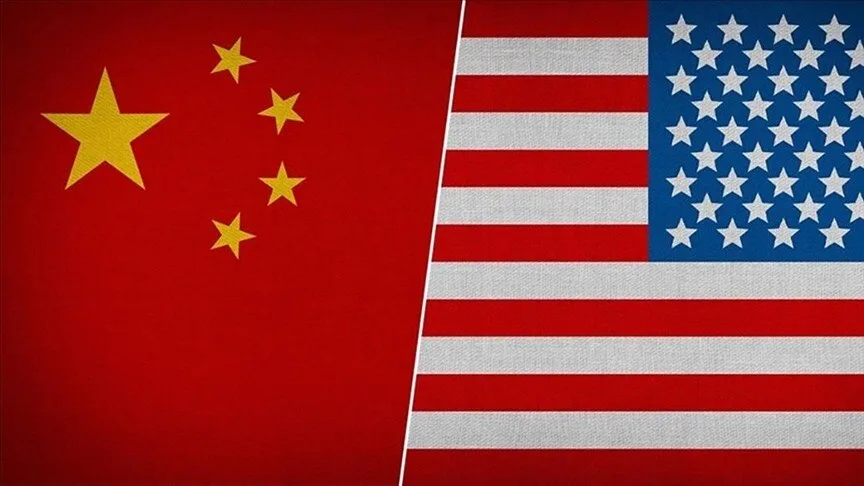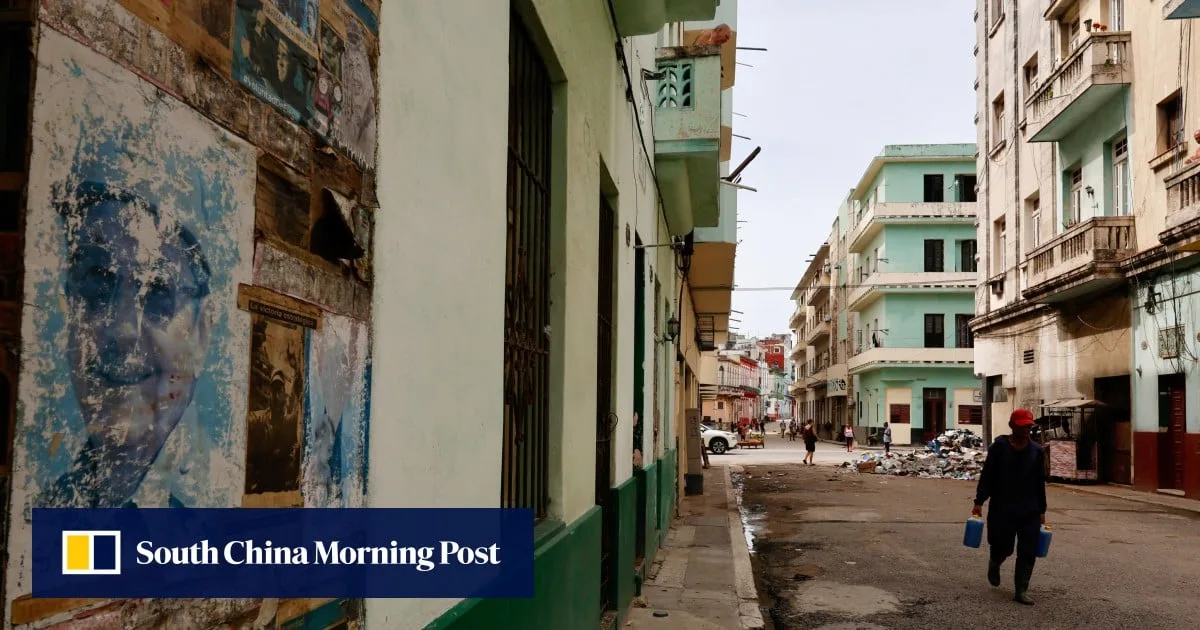
China sharply criticized the United States for imposing sanctions on Cuba, accusing Washington of using "invented allegations" to justify its terrorism case and embargo against the island nation [1, 2]. Chinese Foreign Ministry spokesperson Mao Ning demanded the US immediately cease its blockade, sanctions, coercion, and pressure on Cuba. Mao said, "China firmly supports Cuba in safeguarding its national sovereignty and security and rejecting external interference. The US side should heed the call of the international community and immediately stop all its blockade, sanctions, coercion and pressure against Cuba" [1].
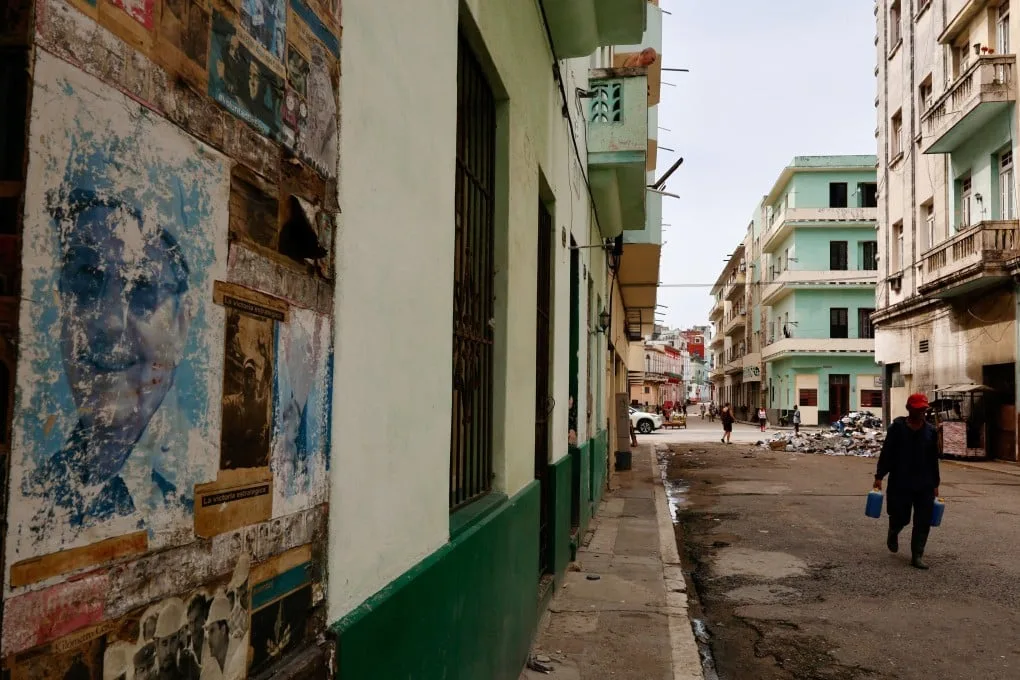
The longstanding US embargo on Cuba has severely damaged the Cuban economy, leading to widespread hardship for its people, China stressed [1, 2]. The United States, however, defends the sanctions on security grounds. US Secretary of State Marco Rubio accused Cuba of sponsoring terrorism and backing left-wing militant groups across the Western Hemisphere. Rubio stated, "Virtually every left-wing, radical, violent terrorist group in the Western Hemisphere has at some point relied on support from Cuba" [2]. He added that Cuba requires systemic reform to avoid remaining a "failed state threatening US security" [2].
Recent US policy has tightened restrictions on Cuba, including a new oil embargo imposed in January 2026. This has worsened Cuba's fuel shortages and caused widespread power outages [2]. From the Oval Office, President Donald Trump expressed a desire for Cuba to become "a nicely run country that can feed its people" [1]. Trump also suggested that US sanctions might briefly pause on Cuba after dealing with Iran, though this was a less certain statement [1].
On June 4, 2026, Mao Ning publicly criticized the US sanctions following Rubio's accusations and reiterated calls for Washington to lift its blockade of Cuba [2]. The dispute between China and the US over Cuba's status and security remains sharp.
The next major expected developments include ongoing US sanctions enforcement, while China continues diplomatic pressure against the blockade.