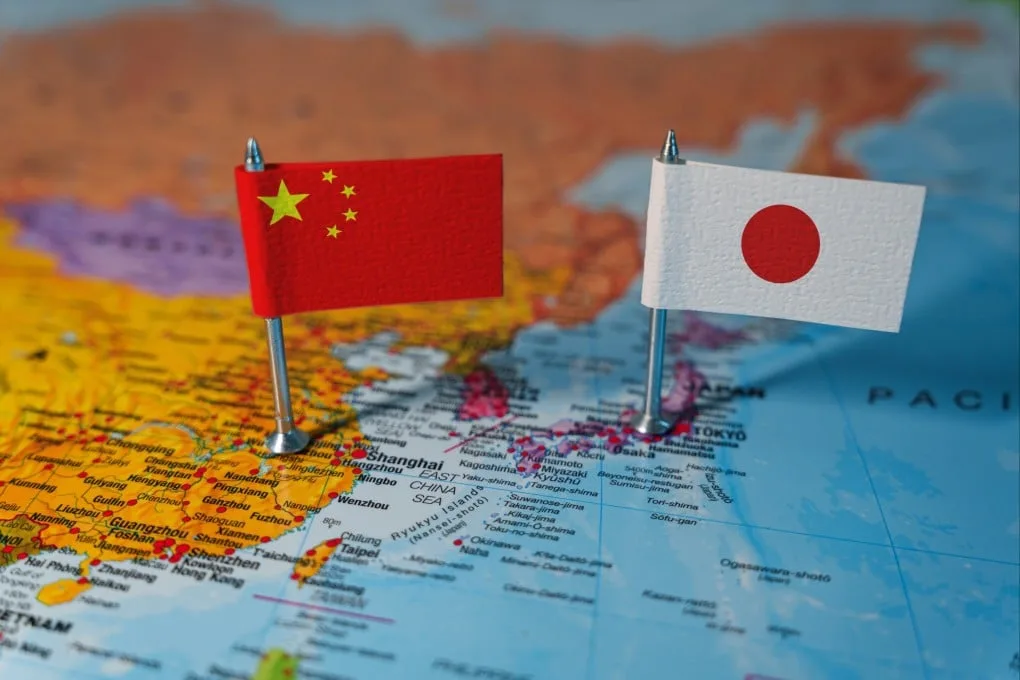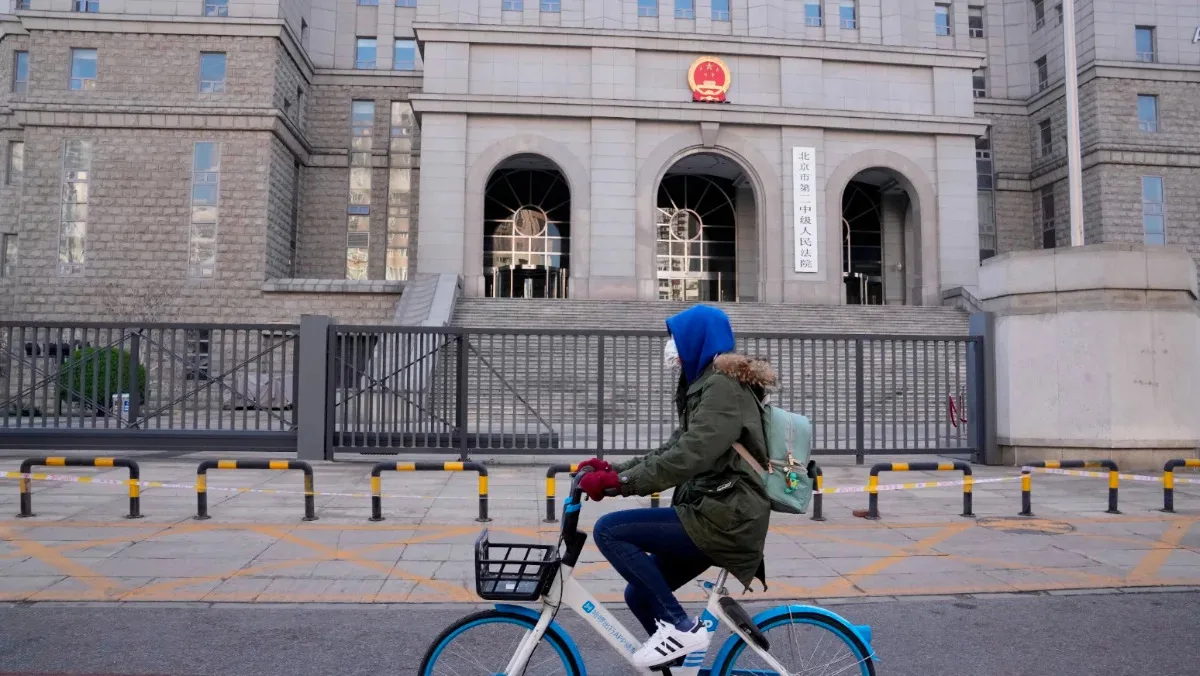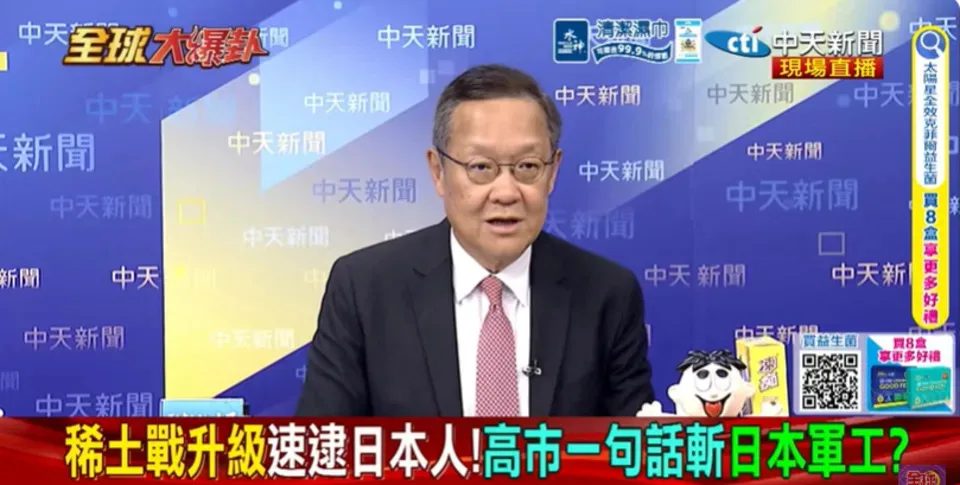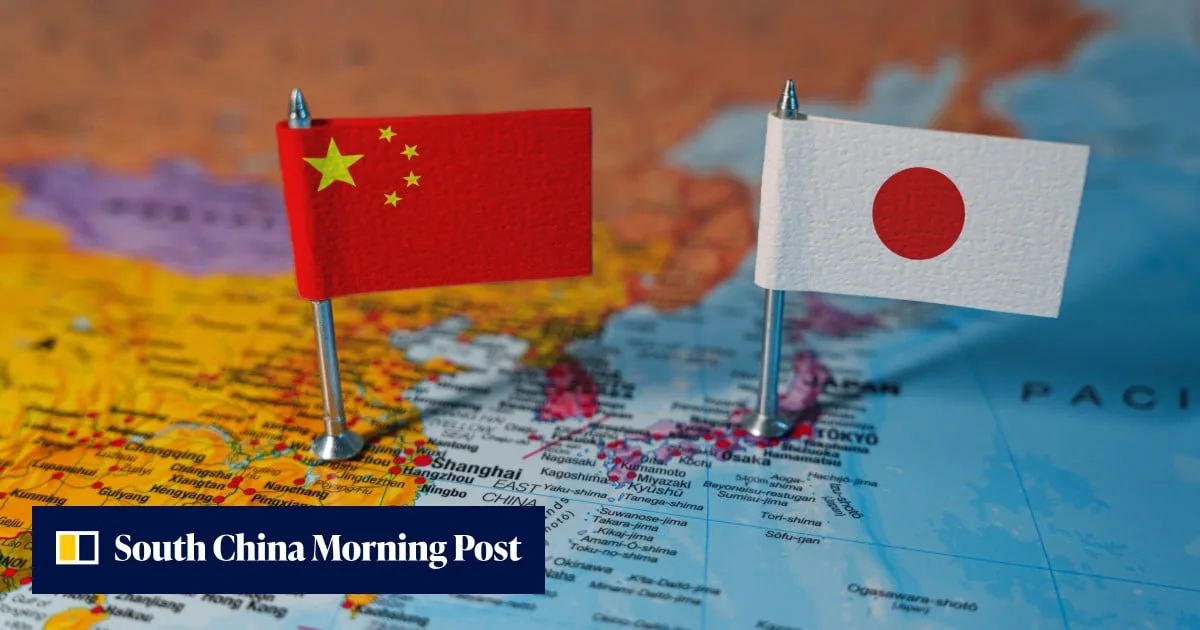
Chinese authorities have detained several Japanese nationals, including executives from companies with offices in China, on suspicion of violating export restrictions related to dual-use goods involving rare earth elements and military-civil items [1, 2, 3, 4, 5]. Some were detained immediately upon entering China after agreeing to cooperate with official inquiries [1, 2, 3, 4, 5].
The detentions come amid a broader escalation in economic tensions between China and Japan. In May 2025, two employees of a major heavy electrical equipment firm in Dalian were held for attempting to carry rare earth related products out of China [2, 3, 4, 5]. Japan's Ministry of Foreign Affairs and its embassy in Beijing have issued repeated safety warnings to Japanese companies and personnel, cautioning on increased enforcement and detention risks [1, 2, 3, 4].
Since January 2025, China has sharply tightened export controls on dual-use and military-related items destined for Japan. Authorities broadened the list of restricted companies by at least 40 firms in June 2025 and created official whistleblower channels in June and July to monitor violations [2, 3, 4, 5]. The increased scrutiny followed Japanese Prime Minister Sanae Takaichi's statements on Taiwan security in late 2024, which triggered Beijing's economic pressure including export curbs and detentions [2, 3, 4, 5].
China has effectively cut off exports of critical heavy rare earths such as dysprosium and terbium to Japan, damaging sectors reliant on these materials including high-tech and military industries [5]. A Japanese government official warned that "Entering China under suspicion of violations carries high risk. It is essential to consult Japanese authorities before cooperating with investigations," urging caution for Japanese nationals traveling to China [2, 3, 4, 5].
Chinese Foreign Ministry spokesperson Guo Jiakun said, "Relevant Chinese authorities are handling violations according to law," without giving details on individual cases [4]. Former New Zealand Ambassador Jie Wenji commented, "If legal channels are unavailable, attempting other routes risks breaching China's export controls and violating the law" [5].
On August 11, 2025, reports emerged that multiple Japanese corporate executives were detained in China related to export violations, including some who traveled to cooperate with investigations but were detained upon arrival [1, 2, 3, 4, 5].
The Japanese embassy continues to urge firms and employees in China to exercise extreme caution amid heightened enforcement and legal risks [1, 2, 3, 4].