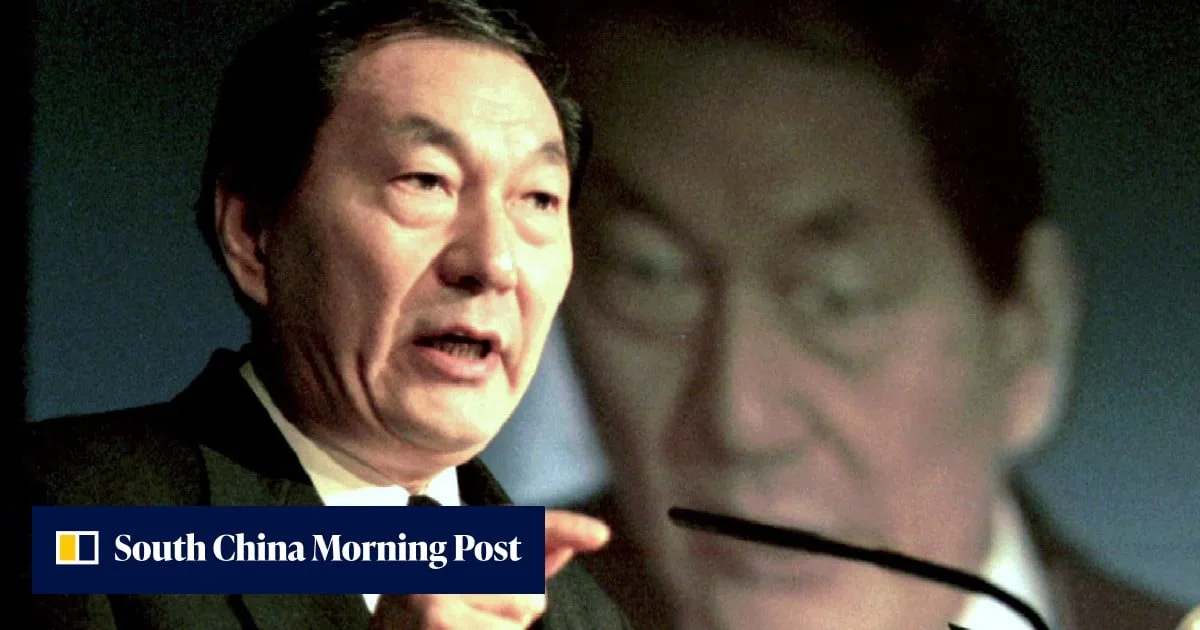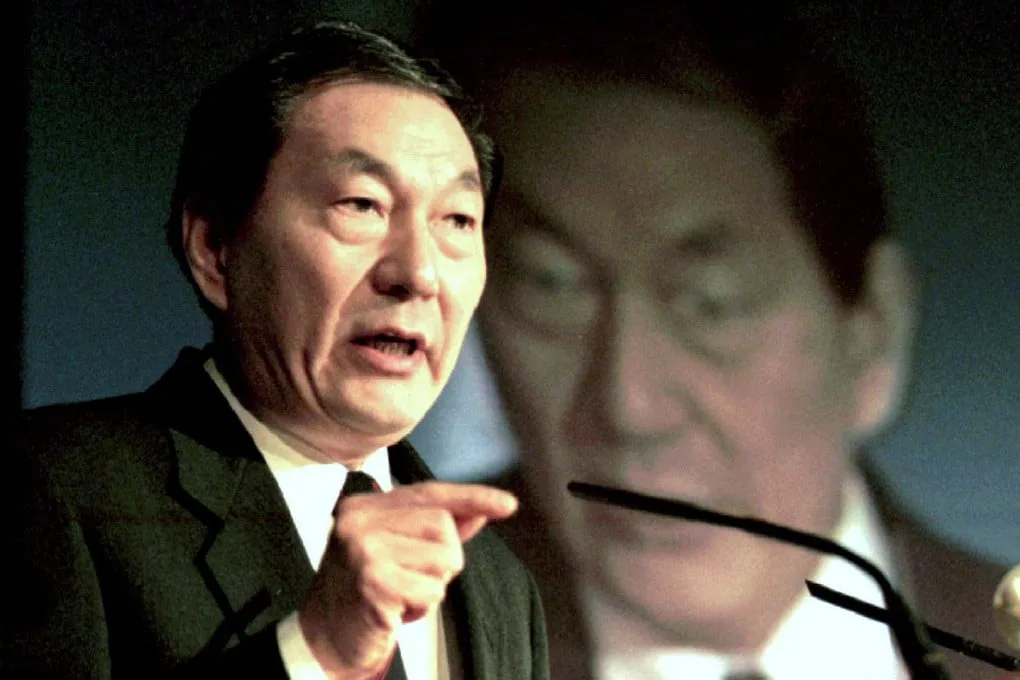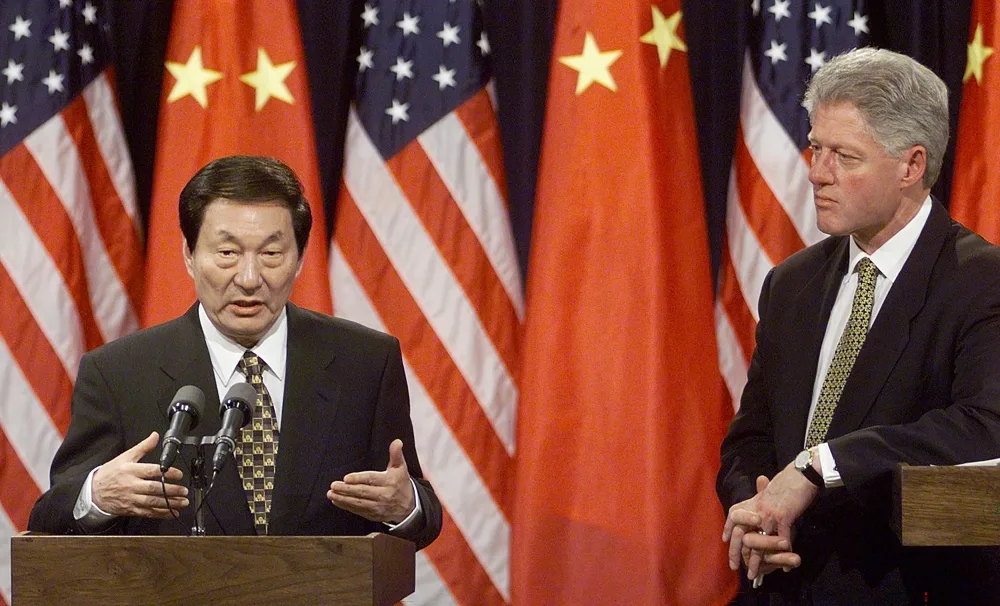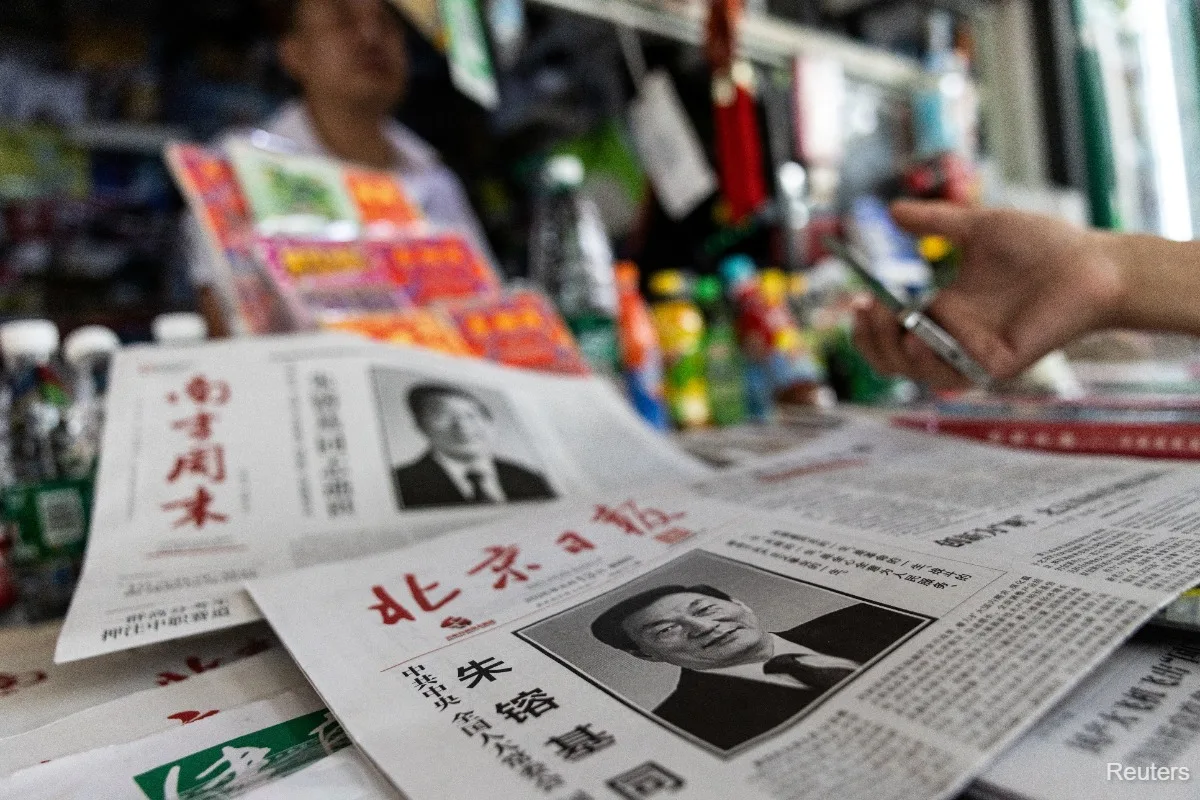
Former Chinese premier Zhu Rongji died on August 12, 2026, at the age of 97 in Beijing. Zhu, who led China’s government from 1998 to 2003, was a key architect of China’s transition to a market-based economy and oversaw major reforms during his tenure [1, 2, 3, 4].
Known as China’s "economic tsar," Zhu Rongji pushed through policies to overhaul state-owned enterprises, reduce inflation, tighten tax and banking systems, and spearheaded China’s accession to the World Trade Organization in 2001 [1, 2, 4]. His premiership coincided with the presidency of Jiang Zemin. Before becoming premier, Zhu served as mayor of Shanghai and vice-premier [2, 4].
Zhu was noted for his outspoken stance against corruption and poor governance. In 1988, he stated, "My defining trait — my guiding principle — is independent thinking," setting him apart in Chinese politics [2]. He once said, "I only hope that after I step down, people across the country will say that 'he was an honest official, not a corrupt one', and I’ll be very satisfied with that" [4].
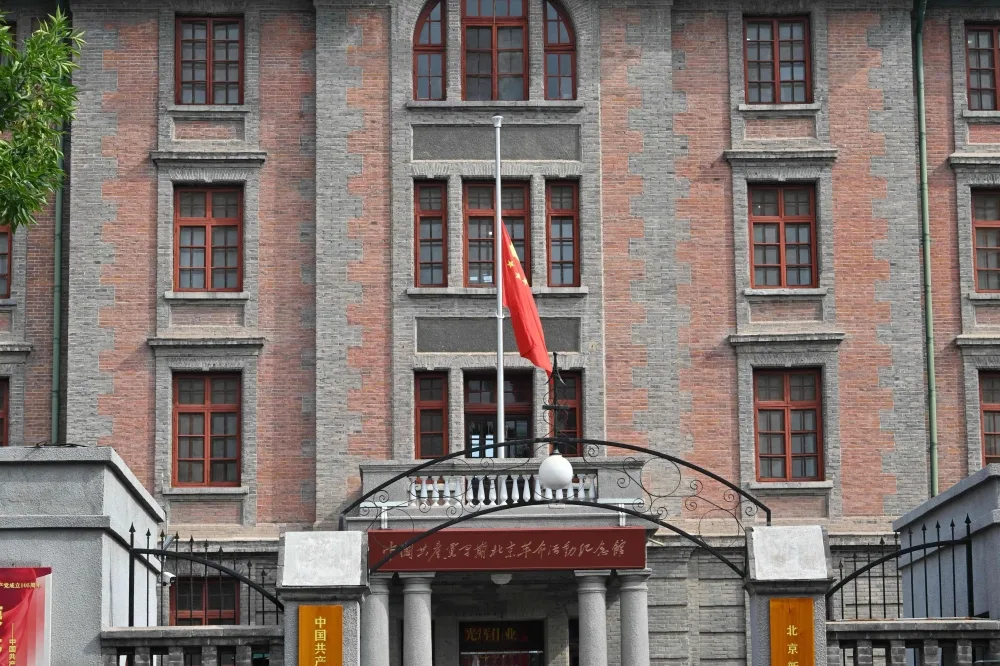
Flags flew at half-mast across China on August 18— from Beijing to Hong Kong, Macau, and overseas Chinese embassies — to honor Zhu’s memory [1, 3, 4]. That day, a cremation ceremony took place in Beijing, attended by senior leaders including President Xi Jinping and former president Hu Jintao, who sent a wreath of condolence [1, 2, 3, 4]. Security was tight around Tiananmen Square and key government sites during the funeral procession [2, 4].
Social media showed widespread mourning, with messages like one Weibo user’s saying, "Thank you for everything you have done for this land – we will always remember you." However, some criticized the economic hardships and layoffs tied to his reform policies [2].
Zhu’s party membership had been revoked in the late 1950s for a brief speech, restored 20 years later [2]. His legacy remains marked by his efforts to modernize China’s economy.
The nation’s mourning and official funeral on August 18 marked the final public tribute to Zhu Rongji.